Unlocking the Potential of Silicone: LSR Injection Molding Solutions for India’s Growing Silicone Market
Silicone Material: Safe, Durable, and Increasingly Important Across Industries
Silicone is a highly versatile material known for its heat resistance (-40°C to 230°C), non-toxic and eco-friendly properties, easy cleaning, softness, durability, and strong electrical insulation. It is widely used in kitchenware, medical devices, electronics, and automotive components, and food-contact applications. Naturally odorless and chemically stable, silicone meets international food safety standards plus offering a long service. These advantages have made silicone an increasingly important material in both everyday products and industrial manufacturing.
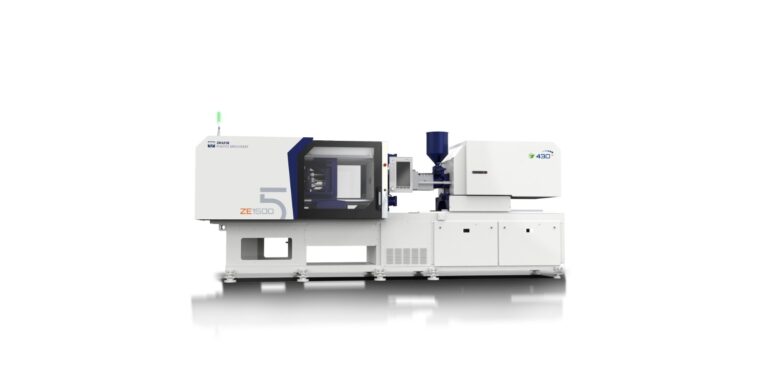
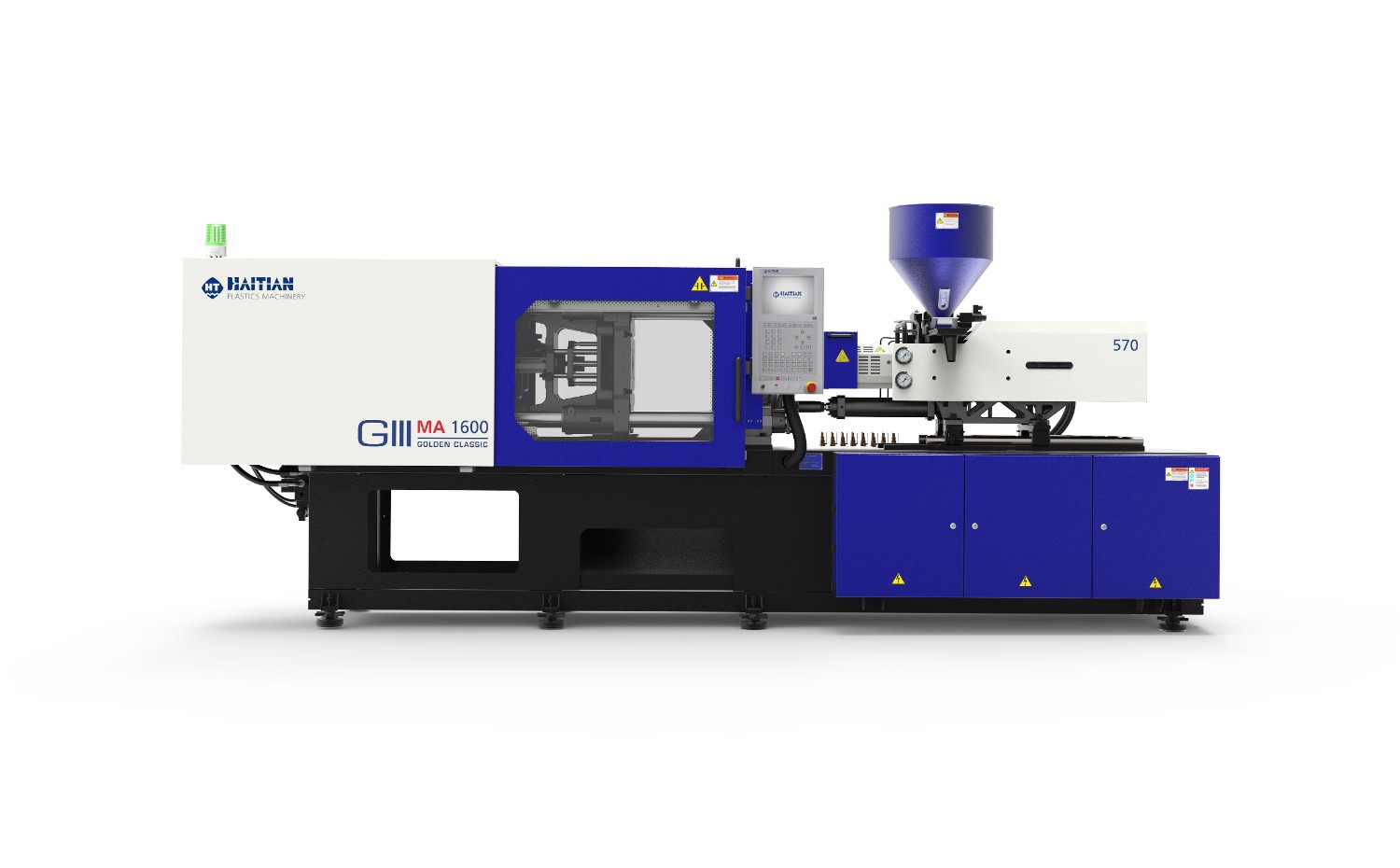
With the growing advantages of LSR, demand for LSR processing solutions in the Indian market is expected to continue rising. Haitian International recognized this trend more than a decade ago and began developing, including Zhafir-branded machines designed specifically for LSR processing.
One example is the Zhafir VE600V-120LSR. The machine features an optimized plasticizing unit, a specific screw, and a self-locking nozzle for precise material control, with a maximum working pressure of 2500 bar. These features support stable material feeding, improved shot consistency, and reliable processing performance.
It is also equipped with fitting interfaces and software for the silicone industry, including functions such as vacuum control, multi-stage adaptive clamping force control, cold runner valve control, and injection-compression control. These functions help improve cavity filling stability, reduce material waste, and support consistent production quality.
By combining injection molding technology with digital capabilities, the machine helps improve yield, optimize production efficiency, and meet a wide range of customer requirements.
Cosmo Films Showcases Complete Thermal Lamination Capabilities at PRINTING United
Cosmo Films, a global leader in specialty films for packaging, lamination, labelling and industrial applications, announces its participation in PRINTING United Expo 2026. Being held from September 23-25 at the Las Vegas Convention Center, Cosmo Films will demonstrate its thermal lamination capabilities during the two-day expo. The company’s participation at PRINTING United also comes as the global printing industry continues to evolve towards greater automation, process efficiency and application-specific solutions.
At Booth No. N5569, Cosmo Films will bring together its thermal lamination films with Synergy Italy’s lamination technology, offering printers and converters an opportunity to experience the application process. Further, consumers and visitors will get a platform to understand how film selection and equipment performance work together to deliver consistent finishing results. The collaboration marks a move towards a more application-led approach to film solutions, where material suppliers and technology providers work together to address the complete requirements of printing and finishing operations. Rather than showcasing films as standalone products, Cosmo Films’ participation will focus on demonstrating their performance in an actual lamination environment.
Speaking on the participation, Mr. Kulbhushan Malik, Global Business Head, Cosmo Films, said, “The value of a lamination film is ultimately determined by how it performs in the printing and finishing process. Our collaboration with Synergy Italy allows us to take that conversation from the product level to the application level. By demonstrating the film and machine together, we can give customers a more practical understanding of the process and the possibilities for their own operations. Alongside the thermal lamination demonstration, Cosmo Films will showcase CSP and Green Graphic Films, giving visitors a broader view of its solutions for the printing and visual communication ecosystem. Green Graphic Films are PVC-free solutions developed for graphic applications, reflecting the company’s focus on developing alternatives for evolving material requirements. Through the collaboration with Synergy Italy, Cosmo Films aims to engage directly with printers, converters and finishing specialists and demonstrate how film innovation, equipment capability and application expertise can come together to improve the overall lamination process.
Blow Moulding Technologies Accelerates Innovation Through Simulation
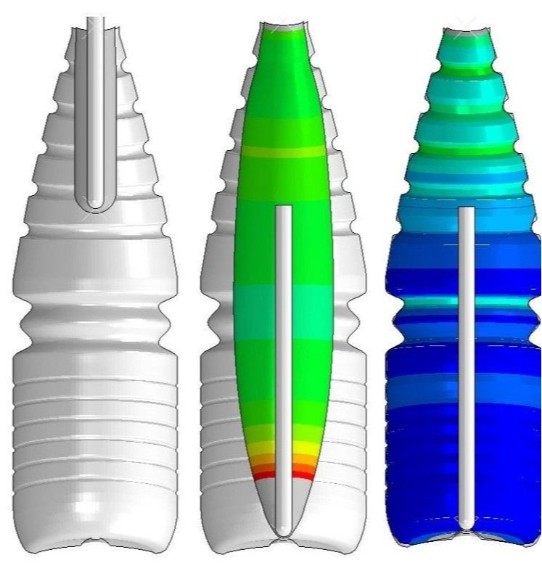
At PACK EXPO International 2026, Blow Moulding Technologies (BMT) will demonstrate how packaging manufacturers can accelerate bottle development, reduce costly trial-and-error testing and bring products to market faster through an integrated approach combining simulation, process measurement and physical validation. Taking place at McCormick Place in Chicago from 18 to 21 October, PACK EXPO International brings together packaging and processing professionals to explore the latest technologies and developments shaping the sector. Combining specialist stretch blow moulding expertise with virtual modelling and real-world validation, BMT helps manufacturers better understand material behaviour, forming processes and finished bottle performance. Its capabilities include BLOWSCAN and THERMOSCAN, which provide process measurement and insight to support faster, data-driven decisions. A physical pilot trial can take up to eight weeks and cost around £20,000 for a single bottle geometry,” commented David McKelvey, Ph.D., Head of Product at Blow Moulding Technologies. “Using simulation, we can explore dozens of design variations in less than a week, allowing manufacturers to identify the most promising solution before investing in tooling or physical testing. The result is a faster, more efficient development process with greater confidence that the final trial will succeed.”
Predictive models for smarter results
As part of the PACK EXPO Innovation Stage programme, David McKelvey will join Alex Byrne, MODSIM Industry Process Consultant at Dassault Systèmes, to present: ‘Predictive Models for Smarter Results: One Digital Workflow for Blow Molding’. On Monday 19 October 2026, 11:00 to 11:30 AM, at the Innovation Stage, North Hall. The session will examine how manufacturers can move beyond sequential design processes, where problems may only become apparent late in development, leading to repeated tooling iterations, delayed validation and limited opportunities to explore alternative designs.McKelvey and Byrne will demonstrate an integrated, physics-based approach connecting material behaviour, the stretch blow moulding process and structural performance within a single digital workflow.
The collaboration combines BMT’s expertise in stretch blow moulding and material characterisation with Dassault Systèmes’ finite element analysis (FEA) simulation and 3DEXPERIENCE platform. By linking forming simulations with performance analysis and physical testing, manufacturers can better understand how material and process decisions influence finished bottle performance. From sequential development to a connected workflow Bringing these traditionally separate stages together enables manufacturers to make critical design decisions earlier, exploring the interaction between materials, processing conditions and structural performance before investing in physical prototypes, tooling or full-scale production trials.
The approach can help reduce development iterations and costs, accelerate development cycles and support more informed design decisions. It can also provide valuable insight for lightweighting and the use of higher levels of post-consumer recycled (PCR) material, where predicting material behaviour is increasingly important. At PACK EXPO, BMT will demonstrate how this combination of simulation, measurement and physical validation can give packaging development teams greater confidence in moving from virtual design to real-world production. Meet the BMT team at PACK EXPO The BMT will be at stand N-5972 with Dassault Systèmes, where David McKelvey and Jude Cameron, Head of Commercial, will be available to discuss how simulation and process insight can accelerate bottle development and improve performance from concept through to production. Through specialist stretch blow moulding expertise, advanced simulation and process measurement, BMT helps manufacturers connect virtual development with real-world performance, enabling faster innovation and more confident packaging development.
ZAHORANSKY Announces Changes at German Sites Affecting Up to 120 Jobs
ZAHORANSKY AG is planning further measures to future-proof the ZAHORANSKY Group at its German sites. The family-owned technology company based in the Black Forest, whose business areas include machinery, mold and plant engineering for the brush industry as well as medical technology, is considering reducing its workforce by up to 120 positions at its Todtnau and Freiburg sites. With this step, the company is responding to persistently challenging market conditions and aims to adapt its cost structure to the current economic environment. This is intended to safeguard the long-term competitiveness and future viability of its German sites. The specific implementation of the planned measures will be developed jointly with the works councils. The aim is to implement the necessary adjustments in the most socially responsible manner possible.
Persistently challenging market environment in mechanical and plant engineering : The decision is driven by continued weak order intake at the German sites, which is expected to be significantly below the previous year’s level this year. Although the company has already undergone restructuring in recent years, it sees itself compelled to make further adjustments due to increasingly challenging market conditions. Key factors placing pressure on the business include restrained customer investment, delays in project decisions, increasing international competitive pressure, geopolitical uncertainties and comparatively high operating costs in Germany.
Statement from the Executive Board : The persistently challenging national and international environment makes further structural adjustments within the Group necessary,” explain Dr. Heinrich Sielemann and Ric Nachtmann, members of the Executive Board of ZAHORANSKY AG. “As a company deeply rooted in the region, this is not an easy decision for us. It is therefore all the more important to us to maintain a trusting and constructive dialogue with the works council in order to implement the planned measures in the most socially responsible manner possible. With this realignment, we are creating the conditions to position ZAHORANSKY competitively for the long term and to sustainably secure the future of our sites. The company currently employs 695 people worldwide, including 324 in Todtnau and 143 in Freiburg.
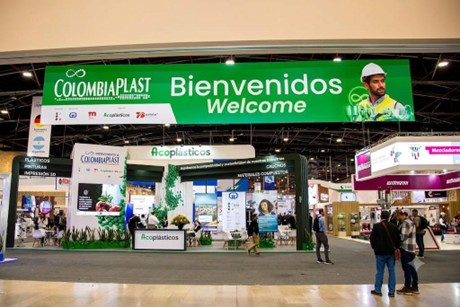
Colombiaplast 2026 Connects Brazilian Companies with New Export Markets
Brazil presence at Colombiaplast in Bogotá (Colombia) will feature 28 companies brought together by Think Plastic Brazil — a portfolio of solutions for the internationalization of the converted plastics sector, created through a partnership between ApexBrasil (Brazilian Trade and Investment Promotion Agency) and the INP (Brazilian Plastic Institute). Held at Corferias, the trade show is one of the main meeting points for the plastics, rubber, and converting industries in Latin America. In its 2024 edition, it gathered over 39,000 visitors, 300 exhibitors, and 18 countries.
Featuring solutions in flexible and rigid packaging, films, masterbatches, and circular economy, the Brazilian delegation arrives in Bogotá for the main plastics and rubber trade show in the Andean region, which gathered over 39,000 visitors in 2024.
In this edition, the Brazilian delegation will present products, technologies, and solutions across different segments, such as flexible and rigid packaging, plastic films, masterbatches, and applications for the pharmaceutical, food, cosmetics, agribusiness, and pet food sectors, as well as solutions focused on sustainability and circular economy. This movement reinforces the Brazilian presence in a strategic market: according to data released by the event organizers, the plastics sector accounts for about 15% of Colombia’s manufacturing industrial GDP, with an annual consumption exceeding 1.3 million tons. The Colombiaplast 2026 agenda centers around circular economy as its main pillar under the theme “Circularity in action: innovation, traceability, and applied sustainability” — a concept that aligns directly with the portfolio of recycled resins, technical films, and sustainable packaging brought to the event by part of the Brazilian companies.
“Colombiaplast is a strategic opportunity to expand the presence of Brazilian companies in a market with immense potential for the plastics and packaging sector. The diversity of solutions presented at the fair demonstrates the capability of the Brazilian industry and strengthens connections with buyers and partners throughout Latin America,” states Carlos Moreira, Brazilian Plastic Institute Executive Director and Think Plastic Brazil CPO.
The 28 participating companies are: BOMPACK, Canguru Embalagens, Cristal Embalagens, Cristal Master, Cromex, Delgo, Dispafilm do Brasil, Duomo, Embaquim, Eurocel, GDM Plásticos, Gerresheimer, Globoplast, Grupo Copobras, INPLAC, INPLASUL, Lion Group, Mega Goglio, Nanox, Pabovi Mangueiras S.A., Plaszom, Polymex, Qualyvac Envases Flexibles, Sommaplast, Valgroup, Videplast (with two Group units), and Wyda. Among the participants, Think Plastic Brazil also features a group of Experts, formed by companies with broad experience and a consolidated footprint in the sector: Canguru Embalagens, Cromex, Embaquim, GDM Plásticos, Gerresheimer, Globoplast, Grupo Copobras, INPLAC, Mega Goglio, Valgroup, and Videplast (with two Group units).
MGS Strengthens WinHux with High-Precision Hook Engineering
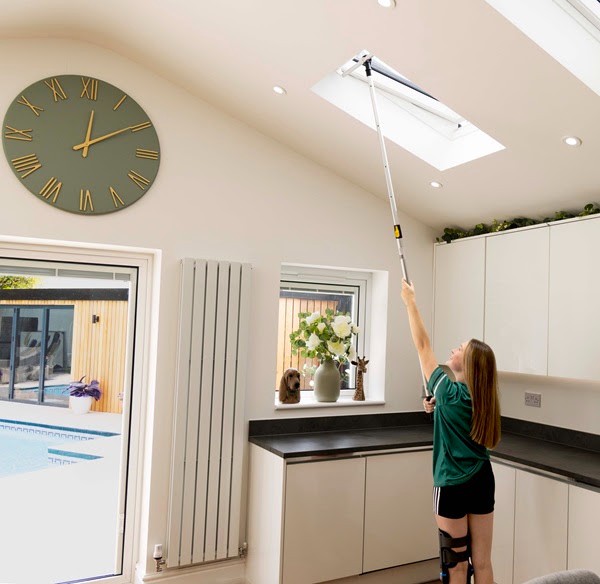
Transitioning from a stable 20-year clinical career to high-value product design requires confidence and strong supporting partners. By combining Damian Pendlebury’s innovative product vision with MGS Technical Group’s expertise in toolmaking and injection moulding, the two North West businesses have successfully scaled up a side hustle to 40,000 in annual sales. In 2017, frustrated by the sales-driven nature of optometry, Damian Pendlebury taught himself CAD to design a superior extension pole hook that outperformed existing market alternatives in both durability and versatility. After initial production struggles with consistency, the business transitioned to Lancashire-based MGS Technical Group.
This engineering alignment has enabled the telescopic pole hooks to withstand significant loads and meet demanding durability requirements, supporting Damian’s five-year quality guarantee and positioning WinHux as a market leader in its category. Currently sold exclusively on Amazon, the company is on target to reach 40,000 sales annually. With the support of MGS, Damian plans to expand into wholesale DIY channels while maintaining a commitment to high-quality, locally manufactured components.
Making it as a market disruptor :Seeking an exit strategy from optometry, Damian readily admits his Eureka moment was more a slow burn. “It started with a customised ophthalmoscope battery. That was a bit too niche as a product and certainly wasn’t going to set me up for retirement. But it made me realise that I wanted to design a product. I then observed a relative successfully selling products on Amazon.”Analysing the ‘skylight window pole’ category through the sales channel, Damian identified a high-volume market plagued by significant friction. “Established products were generating substantial sales despite poor customer reviews regarding durability and ease of use,” recalls Damian. He designed a hook and within six months he left optometry entirely.Launching a product is one thing. Scaling up to mass production is another strategy entirely,” notes Damian.
While many startups default to offshoring to keep overheads low, Damian viewed local manufacturing as a strategic asset for protecting intellectual property (IP) and maintaining technical agility. “The 40 minute proximity to MGS was not only a logistical convenience, it also became integral to our risk-mitigation strategy,” notes Damian.As soon as MGS was appointed the Lancashire-based Group immediately addressed several critical manufacturing hurdles.
Satisfaction over sales :Unlike competitors who use recycled regrind or inferior plastics to reduce costs, the team selected a virgin 30% glass-filled nylon 6 for the WinHux hook. “This material selection was key to quality as the molecular chains don’t degrade in regular use. While a standard window requires only 20kg of force to operate, the WinHux hook is engineered to support over 150kg,” explains MGS Business Development Manager Chloe Maine.Damian was adamant that long-term customer satisfaction was more important that repeat sales caused by breakages. The level of over-engineering ensures that the tactile experience and structural integrity of the WinHux hook matches its technical specifications. “The non slip surface combined with the universal ACME thread justifies its position as a premium disruptor in this household category,” emphasises Damian.MGS aligned to the ethos immediately. “In markets where consumers are accustomed to disappointment, providing a product made in the UK that lasts decades becomes a powerful differentiator,” agrees Chloe.
Local to local manufacturing :With the exception of the extendable window poles, the decision to keep production local was a calculated move by Damian to mitigate two primary risks – intellectual property theft and technical stagnation.Local production ensures that the design ‘know-how’ is retained within a secure and more regulated environment. This was vital given the hook’s deceptively complex design, which involves intricate threaded sections and requires repeatable precision moulding. By keeping the manufacturing of components and packaging within the UK, WinHux achieved end-to-end control over the final assembly. This eliminated the logistical uncertainty of offshore shipping and means that Damian has complete oversight over quality.
“The technical agility of the MGS team cannot be downplayed. In person meetings enabled us to instantly resolve any tool design and manufacturing challenges. When components are technical, proximity is often more cost effective and faster than dealing with manufacturers operating in different time zones,” states the WinHux founder.This distinction became apparent after WinHux’s initial moulding attempts resulted in structural weaknesses and inconsistent results.MGS provided the technical synergy necessary to stabilise production, specifically through the management of a 1+1 cavity tool. This tooling configuration is a strategic choice for consistency, as it allows the hook and its corresponding component to be produced simultaneously in the same cycle, ensuring identical thermal history and material properties for both parts of the assembly. MGS services the production tools in-house more frequently than the industry norm. This rigour ensures that the precision of the 40,000th part is identical to the first.
Damian observes that MGS immediately demonstrated a mutual level of commitment to the long-term durability and success of both the production tool and the final part. “Their shared investment in the project’s future reflects their dedication to achieving the highest standards of quality and reliability throughout every stage of development.”Chloe highlights that the success of WinHux serves as a compelling demonstration of the lasting benefits of investing in high-quality, locally produced components. “Innovators like Damian underscores the potential for even modest enterprises to effect meaningful change through a commitment to excellence in manufacturing and a localised supply chain.”
MGS Technical Group offers a full end-to-end service and has dedicated teams that support innovators and OEMs through each stage of concept to commercialisation. “Manufacturing any component is a multi-stage process where success depends on matching specific, often highly technical skills to each phase. Every stage of the journey is different and in-house support for each element is an enabling factor to reduce risk and get products to market faster,” emphasises Chloe.
Covestro and puren Strengthen Sustainability of purenit® Products
puren and Covestro continue to jointly advance the functional material purenit®. On the occasion of the inauguration of a new production line at the Obermarchtal site, puren has Covestro and puren Strengthen Sustainability of purenit® Productscertified its entire purenit® production to the ISCC PLUS standard. This certification lays the groundwork for puren to use Desmodur® CQ MS from Covestro as a binder, forming the basis for the nhttps://iscc-system.org/ext step in improving the environmental footprint of purenit®. At the inauguration event, puren announced a first product built on this basis, with market launch planned for 2027.
“With ISCC PLUS certification across our entire purenit® production we have the basis to use Desmodur® CQ MS from Covestro as a binder with bio-circular¹ attributed raw materials.” says Dr. Andreas Huther, Managing Director of puren gmbh. “For our customers, this means the same material, the same performance and less CO₂ emissions and thus a material that takes a further step forward towards more sustainability and circularity. Sustainability therefore becomes a key performance indicator.”
Desmodur® CQ MS is based on climate-neutral² MDI made from bio-circular¹ feedstocks and certified through the mass balance approach,” says Hermann Dörholt, Head of the Performance Materials business entity at Covestro. “This gives puren a raw material that delivers a lower carbon footprint while keeping processing unchanged. This kind of collaboration across the value chain is exactly what turns a single innovation into a measurable contribution for the whole industry and its customers.”
A material made from residues
purenit® is a highly compressed functional material based on rigid polyurethane foam (PUR/PIR) with a density of around 550 kg/m³. Despite its low weight, it is pressure-resistant, moisture-resistant and dimensionally stable, provides reliable insulation, and can be sawed, milled, drilled and glued with standard woodworking machinery. These properties make it a core material for windows, doors, facades and base areas in construction, for bathrooms, wellness areas and outdoor kitchens, and for interior fit-out in motorhomes, commercial vehicles and ships.
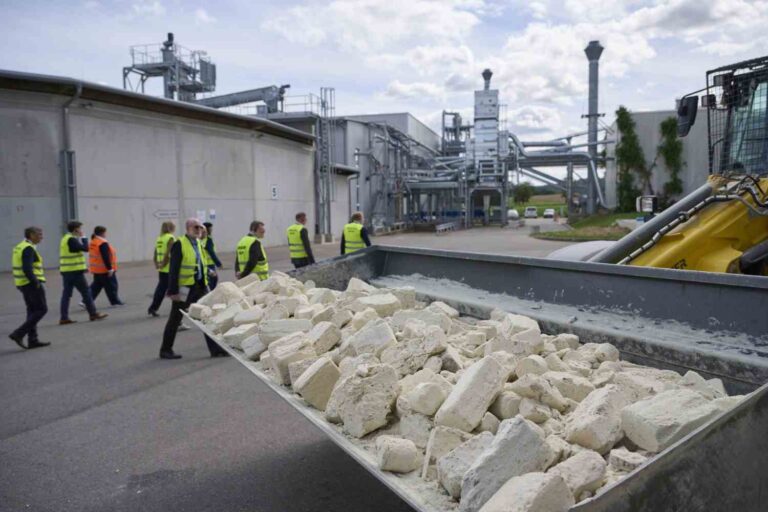
purenit® is produced using an adhesive-press process in which polyurethane residual materials are processed into homogeneous boards. This upcycling approach, turning a byproduct of PU production into a standalone, high-quality material, is unique in the insulation industry in this consistency.
ISCC PLUS certification for more sustainability
The use of Desmodur® CQ MS relies on the mass balance approach: bio-circular¹ feedstocks are physically blended in at an earlier stage of production and then mathematically allocated to the final product. ISCC PLUS independently verifies this allocation across the entire supply chain. Only full certification of purenit® production to this standard allows puren to correctly represent the bio-circular¹ raw material and the associated improvement in sustainability.
Collaboration across the value chain
Covestro supplies Desmodur®CQ MS, a raw material with a reduced carbon footprint, and puren processes it into a material that itself is built on the recovery of PU residual materials. The result is a product that benefits from circular thinking at two points in the value chain: the raw material and the material concept itself. For the polyurethane industry as a whole, this example shows that circular economy is already reflected today in certified, market-ready products. The new purenit® product using Desmodur® CQ MS as a binder was announced at the inauguration event. Market launch is planned for 2027
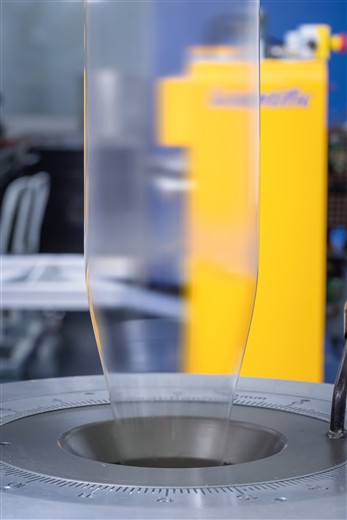
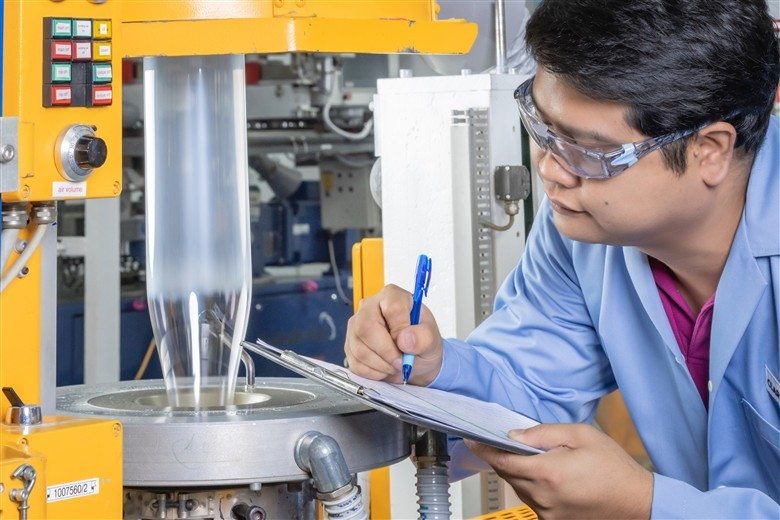
This is AddWorks PPA 101 FG AddWorks PPA 101 FG is a PFAS-free polymer processing aid (PPA) for polyolefin extrusion applications, based on Clariant’s proprietary organic material technology. In PE blown and cast films, it solves melt fracture – commonly called sharkskin – and it prevents die build-up. For decades, fluoropolymer-based polymer processing aids have been the standard solution to these challenging production issues but tightening global PFAS regulations and even selective bans in certain regions and applications are the driving forces behind the emerging conventional fluoropolymer technology phase-out. Clariant’s AddWorks PPA 101 FG is suitable for LLDPE based packaging, agricultural, and building & construction film applications amongst others. Unlike fluoropolymer-based PPAs, it contains no PFAS, no silicone, nor inorganic substances, it is non-hazardous and label-free, and holds broad food contact approvals under FDA, EFSA, Mercosur, China GB, and Japanese regulations.
Why the PE film industry needs PFAS-free processing aids
Fluoropolymer-based polymer processing aids have long been effective tools in PE film extrusion. The challenge is that they contain per- and polyfluoroalkyl substances (PFAS) – the so-called forever chemicals that are highly persistent in the environment and harmful to human, animal and plant life. Regulators across the EU, USA, and Asia are progressively restricting PFAS use across chemical sectors, and polymer additives are within scope. PE film converters supplying packaging markets face both PFAS restrictions on the additive itself and recyclability mandates under the EU Packaging and Packaging Waste Regulation (PPWR), which create additional incentives to eliminate PFAS from packaging film formulations.
AddWorks PPA 101 FG is a 100% active fine grain formulation with an approximate bulk density of 500–600 g/l. It lowers apparent shear stress at the extruder die wall, which raises the critical shear rate and allows higher output without melt fracture. Sharkskin removal typically begins 20 to 40 minutes after line start-up, depending on let-down ratio (LDR), resin type, film configuration, and process- and equipment parameters. At a 0.2% LDR, performance is near-equivalent to conventional fluoropolymer-based PPAs in critical shear rate testing. The product is thermally stable, with less than 0.5% weight loss below 280°C and less than 0.9% below 320°C. It can be incorporated via the host resin, as a concentrate, or via a masterbatch carrier.
AddWorks PPA 101 FG typically works in Ziegler-Natta LLDPE as well as in more difficult to process metallocene LLDPE resins. And this in fully formulated film configurations without antagonistic effects with typical film co-additivation.
The benefits of AddWorks PPA 101 FG in polyolefin extrusion
Sharkskin elimination: Effective melt fracture control at standard production output rates
Die build-up prevention: Efficient die build up reduction, tunable through LDR and process conditions
Improved film surface: Enhanced surface smoothness and quality with improved haze vs. neat LLDPE, facilitating downstream film converting
Neutral film properties: No negative effect on film optics, coefficient of friction (CoF), dyne level, or tensile properties; no interference with the typical post-treatment operations including corona treatment, printing, lamination and heat-sealing
No silicone contamination risk: Free of silicone and polysiloxane substances; film converters working with corona treatment or adhesive lamination have specifically cited this as a reason to avoid silicone-based PFAS-free alternatives
AddWorks PPA 101 FG is suitable for a broad range of polyolefin film applications:
LLDPE blown film for packaging: In blown film extrusion, sharkskin and die build up are frequent causes of film quality issues and production slowdown and/or downtime. AddWorks PPA 101 FG resolves these issues while maintaining the optical film quality and mechanical properties required for consumer- and industrial packaging films. Additional blown film applications include blown agricultural PE films – including mulch film, silage film, and greenhouse covering – and construction films such as vapor barriers and protection films requiring consistent processability and film integrity. AddWorks PPA 101 FG addresses the extrusion processability challenges of these applications while maintaining the film properties each end use requires.
LLDPE PE cast film: During cast film production, die build-up control is of crucial importance to manage die service life, maximizing die cleaning intervals and avoiding excessive cleaning stops. AddWorks PPA 101 FG has been successfully validated and adopted in cast film production on the basis of significant die service interval improvements while maintaining best possible optical film quality. It exhibits outstanding thermal stability required to run on state-of-the-art cast lines operating at melt temperatures of up to 280°C or higher without causing chill roll deposits. Typically used for industrial stretch film applications, AddWorks PPA 101 FG shows no negative impact on film stretch behavior.
HDPE pipe extrusion: Beyond film, proof-of-concept work in HDPE pipe extrusion is showing encouraging early results. Efficient processing and smooth inner pipe surfaces are the key performance requirements in this application, and initial trials across multiple regions indicate AddWorks PPA 101 FG can address both.
“The regulatory pressure is the driver, but the product must deliver the needed performance. AddWorks PPA 101 FG handles melt fracture and die build up challenges without interference with the film properties and behaviors, providing film producers the opportunity to eliminate PFAS,” says Diederik Goyvaerts, Market Manager, Clariant Additives.
Expert Q&A with Diederik Goyvaerts, Market Manager, Clariant Additives
What is the difference between AddWorks PPA 101 FG and AddWorks PPA 122 G?
AddWorks PPA 101 FG is a 100% active fine grain used in EMEA, Americas, and SEAP markets. AddWorks PPA 122 G is a ready-to-use PE based masterbatch on the same proprietary technology, targeted primarily at Greater China and SEAP. Both products are PFAS-free and contain no silicone, no polysiloxane nor inorganic substances.
Can AddWorks PPA 101 FG be used as an ingredient in masterbatch production?
Yes. Its fine grain format is designed for flexible incorporation, including as the active ingredient in PFAS-free PPA masterbatch formulations that masterbatch producers develop for their own film converter customers. Alternatively, it can also be incorporated directly into a host resin ex-works by resin producers. In such case it is offered to the market as a ready-to-use resin.
Why do we highlight that AddWorks PPA 101 FG is silicone- and polysiloxane-free?
Alternative PFAS-free processing aid technologies can be based on polysiloxane and/or silicone chemistry. The film producing industry typically tries to steer away from these for reasons of production line contamination and/or for reasons of interference with the downstream film post-treatments e.g. printing, lamination, sealing etc.
Is AddWorks PPA 101 FG a drop-in replacement for fluoropolymer-based PPA’s?
AddWorks PPA 101 FG is a different chemistry compared to fluoropolymer-based PPA’s and will require some getting used to and some minor adjustments in the way it is used in the film extrusion process. The loadings are typically higher in the range of 0.1 to 0.3% while the shark skin removal time will be largely similar to fluoropolymer PPA references. The overall cost-in-use is expected to be at the same level.
Is AddWorks PPA 101 FG suitable for food packaging applications?
Yes. AddWorks PPA 101 FG is non-hazardous, label-free, and holds broad food approvals across five major food contact jurisdictions:
EU: Listed on Annex I of Regulation (EU) 10/2011 (EFSA)
USA: Approved for polyolefins per 21 CFR 177.1520 (FDA)
Mercosur: Cleared for all plastics
China: Listed under GB 9685-2016 for polyolefins
Japan: MHLW Positive List, issued November 2023
For more information on food approvals, please get in touch with your local Clariant representative.
Conclusion
The shift away from fluoropolymer-based processing aids is driven by regulation, but the transition does not require a performance compromise. AddWorks PPA 101 FG, as a PFAS-free alternative, delivers sharkskin elimination, die build-up control, and maintained film quality in several PE extrusion processes – confirmed by successful commercial use globally. It therefore gives PE film producers a technically sound basis for switching before regulatory deadlines make the decision for them.
Envalior Drives Sustainable Material Innovation at Fakuma 2026
Envalior’s booth will demonstrate material solutions for data centers, thermal management, e-powertrain components for EVs, alongside ADAS radar, drone, and robotics components, helping customers reduce Time, Risk, Cost, and CO2.
Experts will share progress on Envalior’s sustainability ambitions, including the development of a high-purity circular PA6 from post-consumer automotive components and the launch of a bio-based mass-balanced Xytron PPS.
Envalior’s 360 Innovation Services will also be presented, offering a full suite of integrated solutions that help customers make the right material decisions at every step of their product development process.
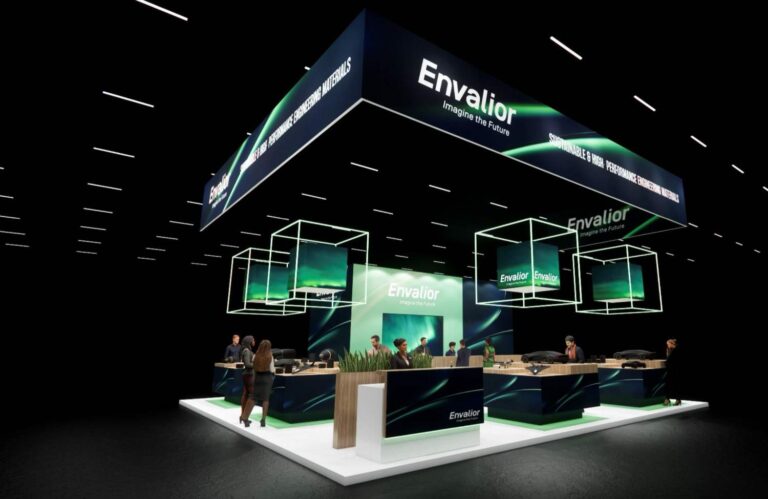
Envalior, a global leader in Sustainable & High-Performance Engineering Materials, will showcase its growing range of advanced material solutions for Automotive, E&E, Consumer and Industrial Goods at the Fakuma 2026 trade show, taking place from October 12 to 16, 2026 in Friedrichshafen, Germany. Visitors can find Envalior’s experts in Hall B4, stand 4302.
Key innovations include dedicated grades for robust e-powertrain and thermal management systems, a range of materials for data center thermal management, power distribution, and connector applications, and a growing portfolio of sustainable grades for Automotive and Electrical & Electronics (E&E) applications, including Xytron B-MB, an ISCC PLUS-certified PPS grade made with used cooking oil. In addition, experts will share progress on Envalior’s partnership with scale-up SECARA to transform post-consumer-recycled vehicle plastics into high-purity caprolactam for circular PA6 production, supporting future compliance with the EU’s End-of-Life Vehicles Regulation.
The booth will also feature Envalior’s 360 Innovation Services. This full suite of integrated development services builds on the company’s strong track record of collaborating with customers to make their products smarter, safer, smaller, lighter, longer lasting and more sustainable.
“Rapid changes across industries are placing new demands on materials. That’s why we work closely with our customers to develop the solutions that help them respond to evolving market needs and regulatory requirements,” says Thomas Brackemeyer, VP Commercial Europe at Envalior. “With our broad materials portfolio, global footprint, and close collaboration with customers and value chain partners throughout the development process, we can accelerate innovation and turn new ideas into reliable, high-quality solutions.”
A range of materials for data center applications spanning thermal management, power distribution, and connectors – featuring Durethan PA6, Pocan PBT (CTI 600), Xytron PPS, Stanyl CR310 (with enhanced arc quenching properties) and ForTii C11F for thermoset replacement – supporting the shift to higher power densities and 800V DC architectures.
A broad portfolio of flame-retardant grades for e-mobility applications, combining certified safety performance with enhanced tracking resistance to meet the demands of rising voltages and greater integration density in both primary and secondary electrical systems.
Power electronics, terminal blocks, and e-motor busbar components developed with Pocan PBT, ForTii PA4T PPA, Xytron PPS, and Durethan PA6 to enhance the durability of e-powertrain platforms – offering the electrical insulation, dimensional stability, and stress-crack resistance for reliable high-voltage operation across the vehicle’s lifetime.
Ultrathin e-motor insulation made with overmolded Stanyl PA46 to provide higher torque density without increasing the motor envelope size, particularly relevant for data center cooling fans, robotics, drones, and high-end power tools.
Thermal management system components created with Akulon PA66 and Xytron PPS, providing the high heat resistance, hydrolysis resistance, and dimensional stability required across liquid-cooling and air-cooling applications.
ADAS radar components created with laser-weldable Pocan PBT and Xytron PPS, delivering the durability and signal performance for improved radar system reliability.
Structural components for consumer and commercial drone applications featuring a broad technology toolbox including high-strength, lightweight Tepex composites, full-plastic solutions, and hybrid manufacturing methods.
Turning end-of-life vehicle plastics into circular PA6
Following Envalior’s Memorandum of Understanding with recycling technology scale-up SECARA, experts from both companies will be at the Envalior booth to share the latest progress on a promising route to circular PA6 for Automotive applications. The initiative aims to convert post-consumer vehicle plastics into high-purity caprolactam that can be used directly in PA6 production. Using SECARA’s catalytic depolymerization technology, the goal is to produce circular PA6 with the same performance as virgin-based material, while supporting future ELVR recycled-content requirements.
360 Innovation Services: Helping customers achieve more impactful results
Product developers across industries are under increasing pressure to reduce time-to-market while meeting strict performance, durability, and safety requirements. Envalior’s 360 Innovation Services addresses this growing need by giving customers direct access to experts and advanced tools. It brings together all of Envalior’s areas of expertise, including materials science, testing, simulation, application knowledge, computer-aided engineering (CAE) modeling capabilities, artificial intelligence (AI)-powered tools, and sustainability consulting. This integrated offering helps customers achieve the right results while reducing time, risk, cost, and CO2 emissions.
Visit Envalior’s experts at Hall B4, stand 4302 during Fakuma 2026, October 12 to 16.
Detailed information on Envalior’s materials can be found in Envalior’s Material Advisor, which provides digital tools and services that customers can use to find, select, and evaluate materials.
ALPLA Expands Turkish Operations with New Facilities in İzmir and Adana
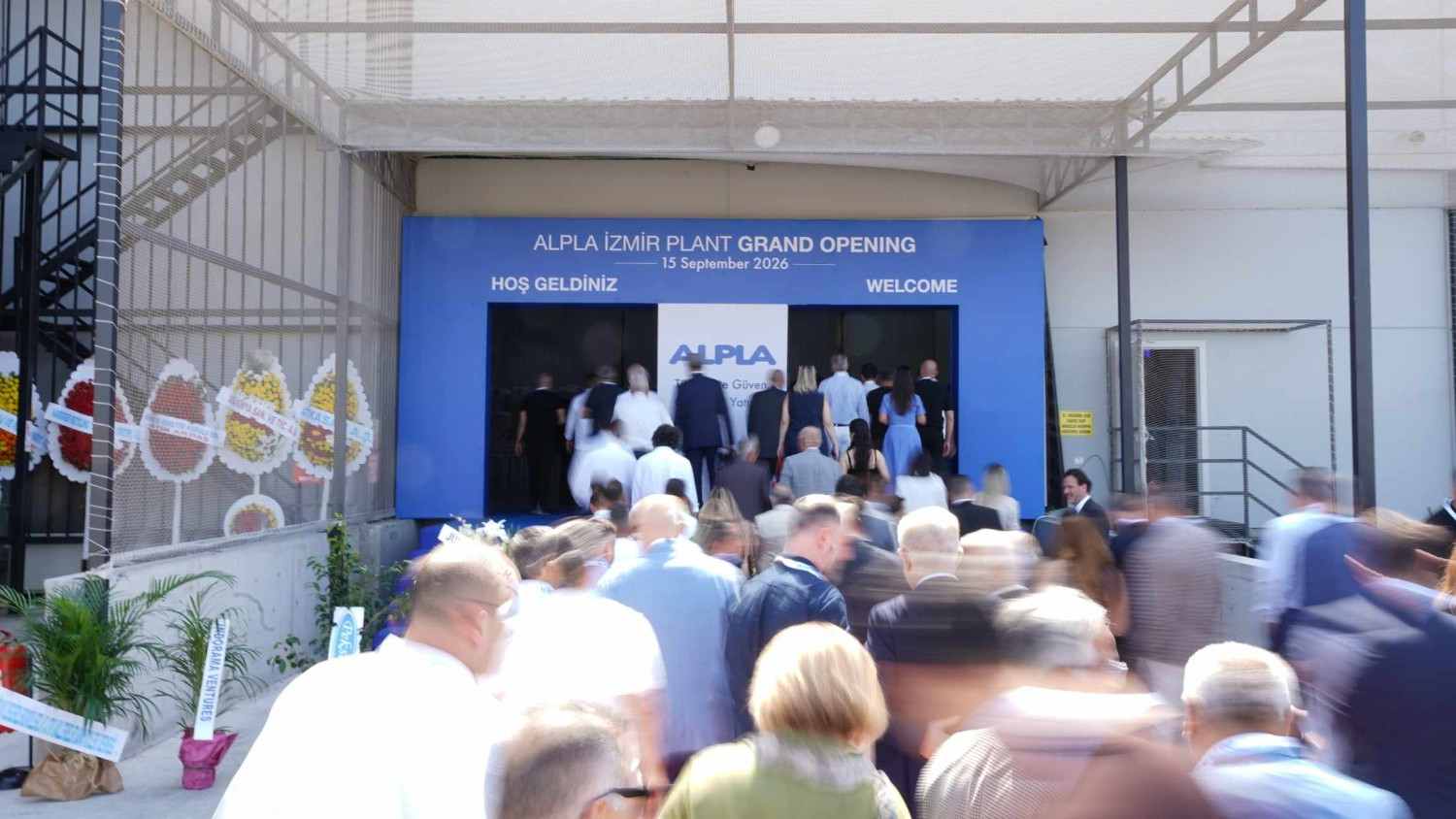
Strategic investments expand production network in a growing market The ALPLA Group is further expanding its production capacity in Türkiye. With the new sites in İzmir and Adana, the international packaging and recycling specialist has commissioned two state-of-the-art plants. Investments totalling approximately EUR 30 million strengthen customer proximity, shorten supply routes and create additional capacity for high-quality packaging solutions.
The two new plants in İzmir and Adana complement the production network of ALPLA in Türkiye and significantly increase nationwide capacity. At the same time, the company is reinforcing Türkiye’s position as one of its most important markets within the Africa, Middle East & Türkiye (AMET) region.
“Türkiye combines industrial strength, a dynamic consumer goods industry and significant future potential. With these new facilities, we are creating the conditions to support our customers even more effectively and continue growing alongside them as a reliable partner,” says Philipp Lehner, CEO ALPLA Group.
Türkiye as a strategic growth driver ALPLA has been active in Türkiye since 1992 and now operates plants in Kocaeli, Ankara, Konya, Adana and İzmir. The country is one of the company’s most important production and competence centres within the AMET region, accounting for around one-third of its capacities and business activities. “Türkiye plays a key role in our regional strategy. We are now able to cover a broader geographical area and further strengthen our position as a system provider. Over the coming years, we intend to continue expanding our activities step by step,” explains Javier Delgado, Regional Managing Director AMET at ALPLA.
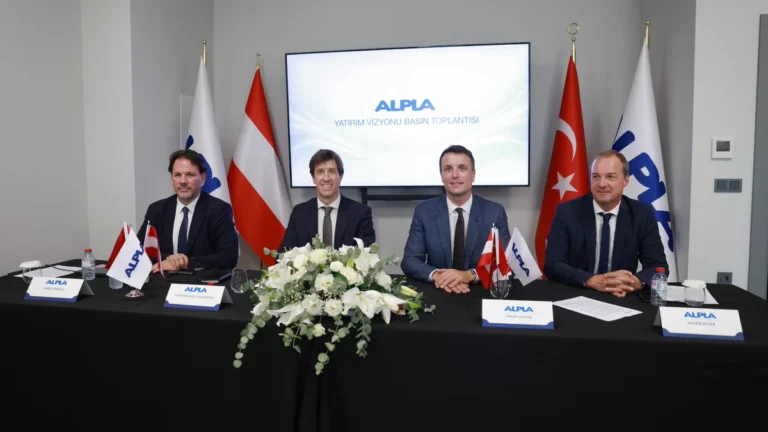
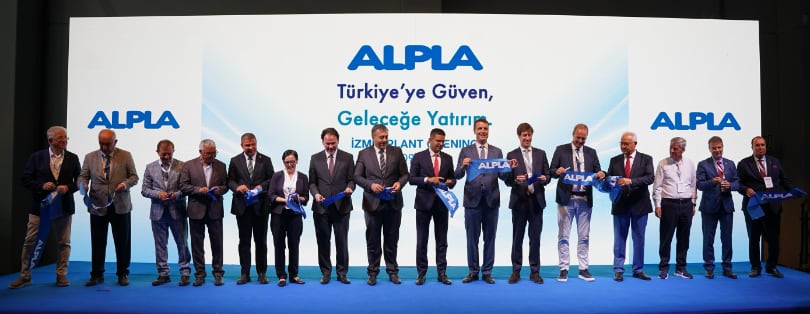
ALPLA has established modern production facilities covering approximately 50,000 square metres in İzmir and 20,000 square metres in Adana. İzmir is designed as a versatile production platform for PET preforms, closures, HDPE and PET bottles. Adana focuses on PET preforms as well as HDPE and PP packaging solutions. The sites supply customers in the beverage, food and dairy sectors, as well as home care and personal care applications. They were officially opened on 14 September (Adana) and 15 September (İzmir) in the presence of CEO Philipp Lehner, COO Walter Ritzer and numerous guests. The Austrian Ambassador, Gabriele Juen, was also present in İzmir.
Customer proximity and security of supply The plant in İzmir primarily serves customers in the Aegean region and in the west of the country. The Adana site supplies markets in the Mediterranean region and south-eastern Türkiye. Together, the two plants provide the foundation for short lead times, high flexibility and reliable supply in key consumer goods markets.
“The new plants bring us even closer to our customers. At the same time, we are investing in modern technologies and production capacity. In doing so, we are making an important contribution to the long-term development of our business in Türkiye,” says Emre Canoğlu, Managing Director ALPLA Türkiye. Modern production technologies, automation solutions, photovoltaic systems and rainwater harvesting systems support resource-efficient operations.