Americhem Launches nPure and nZorb Platforms for Advanced Fiber and Nonwoven Performance
Americhem, a global leader in custom polymer solutions, today announced the launch of nPure and nZorb, two complementary PFAS-free functional additive technologies designed to engineer performance within the polymer matrix. Developed for fiber and nonwoven applications, the technologies help manufacturers address two critical performance requirements: durable odor control and moisture management.
As manufacturers continue to seek more durable, material-level solutions, functional additive technologies are gaining traction for their ability to deliver consistent performance while simplifying manufacturing by reducing reliance on separate topical treatment steps. By incorporating functionality within the polymer matrix, nPure and nZorb help customers engineer odor control and moisture management into fiber and nonwoven products while supporting processing efficiency and scalable commercial manufacturing.
nPure transforms odor control from a temporary surface treatment into an engineered material property. The PFAS-free, fragrance-free, and non-biocidal technology captures and reduces malodors without relying on topical finishes or antimicrobial chemistries, helping manufacturers improve freshness and consumer comfort. Independent testing demonstrates adsorption of sweat, body odor, and selected volatile organic compounds (VOCs), and the technology is compatible with PP, PE, PET, and bicomponent fiber systems. Designed for scalable commercial manufacturing, nPure supports hygiene, medical, fibers, nonwovens, textiles, automotive interiors, packaging, and recycled polymer applications.
nZorb transforms hydrophilic performance from a temporary surface effect into a PFAS-free, engineered material property. Incorporated within the polymer matrix, the technology improves wetting, wicking, absorbency, strike-through, rewet, and liquid transport while maintaining processing efficiency and endproduct performance. Designed for polypropylene-based fiber and nonwoven systems, nZorb supports hygiene, medical, wipes, filtration, and specialty nonwoven applications through application-specific optimization.
“Manufacturers are increasingly looking for material solutions that solve multiple performance challenges without adding manufacturing complexity,” said Parminder Agarwal, Chief Technology Officer at Americhem. “nPure and nZorb demonstrate how masterbatch formulation, polymer compatibility, and fiber processing work together to deliver application-specific functionality within the polymer matrix.”
Because odor management and hydrophilic performance depend on polymer chemistry, fiber architecture, processing conditions, and end-use requirements, Americhem works closely with customers to optimize formulations for specific applications. The company’s expertise in functional additive masterbatch, formulation, process optimization, and global manufacturing helps customers move from concept through scalable commercial production with confidence.
“Americhem is focused on building a portfolio of functional technologies that helps customers create differentiated value through their materials,” said Matt Miklos, Vice President of Corporate Strategy and Marketing at Americhem. “With nPure and nZorb, we are expanding the range of functional solutions we can bring to market as customers look for more durable performance, simplified manufacturing, and new ways to differentiate their products.”
The launch of nPure and nZorb reflects Americhem’s continued investment in functional additive technologies designed to help manufacturers address evolving application requirements through performance engineered within the polymer matrix.
Asahi Kasei to Demonstrate Advanced Plastics Technologies at Fakuma 2026
Asahi Kasei, a diversified global company, will participate in Fakuma 2026. The world’s leading trade event for industrial plastics processing, Fakuma will take place from October 12 to 16 in Friedrichshafen, Germany. At its booth B5-5305, Asahi Kasei will present a broad range of high-performance plastics and material solutions designed to address key challenges facing the automotive and industrial sectors. The exhibits will highlight how advanced polymer materials can contribute to more efficient and sustainable manufacturing while supporting the evolving requirements of connected and autonomous mobility, automotive interior design, and increasingly electrified industrial systems.
Automotive Exhibition Corner
A key focus of Asahi Kasei’s presence will be materials that enable new approaches to automotive component design and production. In the Automotive Exhibition Corner, the company will showcase solutions for automotive radar, interior components, and lightweight polycarbonate glazing applications. XYRON is a modified polyphenylene ether (mPPE) resin that combines dimensional stability, lightweight characteristics, and advanced metal plating performance. At Fakuma 2026, Asahi Kasei will showcase coated slotted waveguide antenna samples for automotive radar applications. By enabling lightweight, highly precise, and cost-efficient antenna designs, XYRON supports the next generation of connected and autonomous vehicles.
Traditionally, automotive interior components such as instrument panels, door panels, armrests, and center consoles have been produced using multiple materials and separate manufacturing processes for the skin, foam, and structural core layers. Asahi Kasei’s styrene-based thermoplastic elastomer streamlines this approach by enabling both the skin and foam layers to be formed from the same material family. Through core-back injection molding, the layers can be produced in a single process, while strong chemical bonding between them eliminates the need for additional adhesives. The result is a simplified material structure that reduces manufacturing complexity, lowers material usage, and enhances the recyclability of interior components. Asahi Kasei is currently developing a novel water-based coating system that enables polycarbonate as a glass substitute in automotive front-, rear-, and side-window applications. Polycarbonate coated with this technology achieves ECE R43-compliant abrasion resistance and the required weather resistance for automotive windscreens. This opens opportunities for the overall reduction of vehicle weight. At Fakuma 2026, Asahi Kasei will display an automotive front window made of polycarbonate and coated with Asahi Kasei’s hard coating.
Beyond automotive applications, Asahi Kasei will present materials for demanding electrical and industrial applications. The Industrial Exhibition Corner will bring together solutions that address requirements, including flame retardancy, tracking resistance, high-temperature performance, dimensional stability, lightweight construction, and sustainable material concepts. LEONA offers a broad portfolio of polyamide and PPA materials designed for demanding industrial electrical applications. At Fakuma 2026, Asahi Kasei will present flame-retardant PA66 and high-CTI tough PPA solutions for glow-wire connectors, transformer components, SMT connectors, and power modules. Combining excellent flame retardancy, high tracking resistance, mechanical durability, and reliable high-temperature performance, LEONA enables safer and more compact electrical systems.
The mPPE XYRON provides a unique balance of electrical insulation, flame retardancy, lightweight properties, and dimensional stability for industrial applications. Exhibits will include solutions for data center busduct systems, battery cell holders, and PCR-PS+PPE sustainable material concepts. These applications demonstrate how XYRON contributes to improved electrical safety, weight reduction, design flexibility, and sustainability across various industrial sectors. TENAC-P is an all-in-one polyacetal binder designed for Metal Injection Molding (MIM) applications, offering excellent flowability, low odor during catalytic debinding, and reduced void formation during thermal debinding. Asahi Kasei will showcase binder materials for MIM processes through sintered parts, highlighting their contribution to improved molding productivity and part quality at Fakuma 2025, booth B5-5305.
Project to deliver ~₹100 crore in annual top-line revenue at full capacity, backed by strong off-take visibility
Leading specialty chemicals manufacturer Shivtek Spechemi Industries Ltd, a flagship company of the Shiva Group of Industries, announced a strategic capacity expansion of 14,000 MT at its flagship manufacturing facility in Kurnool, Andhra Pradesh. The expansion, involving a capex of approximately ₹15 crore, focuses on scaling production within the company’s core Chlorinated Paraffins (CP) product category.
Commercial production from the expanded line is scheduled to commence by July 2028.
The decision to scale up follows sustained supply constraints, with Shivtek’s Kurnool facility operating at 100% capacity utilization. The expansion comes on the back of intense market demand across key industrial verticals, including PVC compounds, industrial coatings, flame retardants, and high-performance lubricants.
Speaking on the strategic expansion plans, Mr. Amitt Nenwani, Managing Director, Shivtek Spechemi Industries Ltd said, “Demand for specialized performance additives across India and global export markets is outpacing current supply allocations. Operating at peak utilization has given us a clear directive – our customers need scale, fast execution, and strict compliance. This ₹15 crore investment at Kurnool directly addresses our existing and potential order pipeline. Crucially, as we expand capacity, we are integrating zero-emission process technologies and energy-efficient manufacturing into the plant, ensuring that even our legacy product lines adhere to modern, sustainable operational standards.”
The new facility is projected to deliver an annual top-line revenue contribution of ~₹100 crore at full scale, generating high return on capital employed (ROCE) and driving margin efficiency.
This expansion forms a crucial component of Shivtek’s overarching growth trajectory, supporting India’s transition into a global specialty chemicals manufacturing hub. By enhancing domestic availability of high-grade Chlorinated Paraffins, Shivtek continues to align its portfolio with national import-substitution goals and supply-chain resilience.
With state-of-the-art facilities across Andhra Pradesh, Punjab, and Gujarat, Shivtek Spechemi remains an innovator in sustainable manufacturing. The Kurnool facility expansion will incorporate advanced eco-friendly process technologies, zero-emission standards, and strict environmental compliance, reinforcing Shivtek’s position as a preferred green-chemistry partner to global supply chains.
Commercial Vehicle Industry to Present more than 150 World Premieres and new Products at IAA TRANSPORTATION 2026
The logistics sector is a cornerstone of our economy – Industry has gone first, Berlin and Brussels now have to deliver – Conditions for the transformation are not keeping pace – Suppliers remain the backbone of IAA TRANSPORTATION – Autonomous and automated driving as a key focus – More test drive options than ever before
Once again this year, IAA TRANSPORTATION 2026 confirms its role as the leading international event for the future of road freight transport. With more than 70 percent of exhibitors coming from outside Germany, the show holds the high level of international participation reached at the last edition. Roughly one third of all exhibitors at IAA TRANSPORTATION 2026 are taking part for the first time this year. In total, exhibitors are presenting more than 150 world premieres and new products. This year’s IAA TRANSPORTATION will be opened by German Federal Minister for Transport Steffen Bilger. Lower Saxony’s Minister-President Olaf Lies and Hannover’s Mayor Belit Onay will also speak at the opening ceremony, alongside the president of the German Association of the Automotive Industry (VDA), Hildegard Müller.
This year’s theme, “We Deliver”, sets the tone as exhibitors showcase digital and climate-neutral mobility solutions for the future of road freight transport. The focus is on innovative drive systems, digital technologies, and solutions for a zero-emission, high-performance commercial vehicle industry. At today’s press conference, VDA President Hildegard Müller emphasized the central role the logistics sector plays in the economy and in society.
“The logistics industry delivers every day and keeps Germany and Europe running. It gets food onto supermarket shelves, orders to people’s doors, and parts into factories. The automotive industry is creating the conditions for logistics to keep developing in a climate-neutral and digital direction,” Müller said.
The numbers show just how much road freight matters: it accounted for roughly 84 percent of transport volume in Germany in 2024. Last year, road freight in Germany covered more than 20 billion kilometers and moved around 2.8 billion metric tons of goods. “Our industry is not just one part of the economy among many. It is a cornerstone of our economy. Around 140,000 people are employed directly in the commercial vehicle industry – roughly one in five automotive industry jobs in Germany,” Müller said.
Industry has delivered, policymakers still owe their part
Müller underlined the industry’s ambition and its commitment to climate protection: “Around 30 percent of road transport CO₂ emissions in Europe come from heavy-duty vehicles. The potential for cutting emissions is correspondingly large. German manufacturers have already developed the technologies needed: battery-electric trucks with ranges of more than 500 kilometers are available today. Hydrogen trucks achieve ranges of roughly 700 to 800 kilometers. We have gone first, with real commitment and substantial investment – we have developed the vehicles and the solutions to make climate-neutral transport possible. Now it is Berlin and Brussels that must deliver: we need the right conditions for charging infrastructure and hydrogen refueling stations, the grid connections to go with them, affordable electricity prices, and a reliable power supply. These are decisive factors in a purchasing decision. They are also the biggest limiting factors we face – and they fall squarely within the responsibility of Berlin and Brussels. Those conditions – above all the infrastructure that is needed – are largely not in place, and in some cases not even planned.”
Wide gap between ambition and reality
Figures recently published by the German Association of the Automotive Industry on charging and hydrogen refueling infrastructure in Europe (Climate-friendly commercial vehicles | VDA) demonstrate this challenge. There is still considerable ground to make up in the build-out of charging and hydrogen infrastructure. By 2030, around 35,000 publicly available MCS fast-charging points for heavy-duty vehicles will be needed across Europe, some 4,000 of them in Germany. In total, up to 50,000 truck-capable charging points will be required EU-wide. Currently, however, a mere 730 charging points with a minimum output of over 350 kW are available EU-wide exclusively for heavy-duty commercial vehicles. At mixed-use locations, there are just under 2,000 public charging points for heavy-duty commercial vehicles.
Hydrogen infrastructure is lagging just as far behind: only around 216 hydrogen refueling stations for road freight are currently available across Europe. The German Association of the Automotive Industry expects that by 2030, Europe will require around 2,000 truck-capable hydrogen refueling stations with a capacity of roughly 2 metric tons of hydrogen per day.
Looming penalties are a question of survival for many companies
“Brussels and Berlin have an obligation to move ahead on the conditions for infrastructure build-out with determination and ambition. The CO₂ fleet regulation, with penalties that are a question of survival for many companies, must be brought in line with reality. The necessary infrastructure isn’t in place, grid connections are missing, permits take years, and at the same time the economics are becoming increasingly difficult for the industry and freight carriers. All of this shows, that policymakers have not yet done enough of their part. The automotive industry has delivered, but the targets that have been set cannot be met under the conditions that currently exist,” Müller said.
Müller also made a broader point: “The transformation will only become a success story if it brings together prosperity, growth, and employment. For that to happen, policymakers in Brussels and Berlin finally have to put their full weight behind the international competitiveness of Germany and Europe as places to do business. A strong business location is the best answer to intensifying international competition.”
A strongly international lineup promises breadth
The figures presented at the press conference make it clear: IAA TRANSPORTATION 2026 is staying true to its international character. More than 70 percent of exhibitors come from outside Germany. At the same time, a large number of newcomers is adding extra momentum: roughly one third of exhibitors are taking part in IAA TRANSPORTATION for the first time in 2026.
“The high level of internationality and the large number of first-time exhibitors show how attractive IAA TRANSPORTATION is as a global platform for the commercial vehicle, logistics, and transport sectors. It brings established market leaders, innovative companies, and new players together, creating space for exchange, partnerships, and new business ideas,” said Jürgen Mindel, VDA Managing Director.
Suppliers and body manufacturers are once again a central element of IAA TRANSPORTATION 2026. With more than 766 exhibitors, suppliers remain the backbone of the event. Nearly one in two exhibitors comes from this segment. Body manufacturers are the second-largest exhibitor group at IAA TRANSPORTATION after suppliers, with 240 exhibitors.
“The large number of small and medium-sized businesses among the exhibitors, the more than 150 world premieres and new products, the solutions to a huge range of challenges – all of it is a striking demonstration of the innovative strength and breadth of our industry across the entire value chain,” Mindel said. The supplier industry in particular, he added, is proving how decisive its contribution is to making transport and logistics more efficient, more digital, and more sustainable, and to making the transformation work.
Record numbers for the IAA Test Drives
Visitors won’t just see how far the transformation has already come at the exhibitor booths – they can experience it for themselves. The IAA Test Drives schedule has once again been expanded significantly for 2026. A total of 84 vehicles from 17 exhibitors are available for test drives on the show grounds and on public roads – 40 percent more than in 2024. Every available slot was booked by exhibitors immediately. Visitors with the appropriate driver’s license can book test drives on site at the departure terminal in Hall 14/15.
“You can’t grasp progress from a spec sheet, you have to get behind the wheel. That is exactly why we worked with our exhibitors to expand the IAA Test Drives so substantially,” Mindel said. “The strong demand from exhibitors shows that IAA TRANSPORTATION is the place to present innovations to the world and make them tangible right away.”
More than 200 speakers discuss the future at the IAA Conference
The strategic questions of the transformation take center stage in the IAA TRANSPORTATION Conference program. Across three stages – the Main Stage, the Industry Stage, and the new prototype.club Stage – the IAA Conference offers more than 100 program items with over 200 speakers. Representatives of leading companies will discuss electrification, software-defined vehicles, and the economic resilience of the commercial vehicle industry, among other topics. The industry’s most prestigious awards will be presented as early as Press Day on September 14. They include the International Truck of the Year, the Van of the Year, the Trailer of the Year, and the Truck Innovation Award. The 112 press conferences exhibitors have registered for Press Day are a clear sign that companies are deliberately using IAA TRANSPORTATION as an international platform to introduce their new products and innovations to a global professional audience. The event’s international standing is also reflected in the number of accredited media representatives: around 580 journalists from around the world are expected.
Drivers’ and Family Weekend sends a signal of appreciation on World Children’s Day
IAA TRANSPORTATION puts the people behind logistics center stage. VDA Managing Director, Jürgen Mindel: “With the Drivers’ and Family Weekend, we want above all to recognize the people whose daily work keeps the economy running in Germany and Europe. It is important work, but for drivers it is often a hard job. That is why we want to give drivers and their families a special experience at IAA TRANSPORTATION with the Drivers’ and Family Weekend – fittingly, on World Children’s Day, which takes place on September 20.”
Smart Water, Greener Future: How TOM® and ecoFITTOM® are redefining sustainable infrastructure
All over the world, countries are facing a common challenge: ensuring access to clean water while reducing the environmental impact of infrastructure. As climate change places increasing pressure on natural resources, investing in efficient and sustainable water networks has become more important than ever.
At Molecor, sustainability is more than a commitment; it is a core principle that drives innovation. Through its advanced OPVC (oriented PVC) technology, the company develops hydraulic solutions that support the transition towards more resilient and environmentally responsible infrastructure. This approach is closely aligned with the United Nations Sustainable Development Goals (SDGs), particularly with SDG 6, which focuses on ensuring the availability and sustainable management of water and sanitation for all.
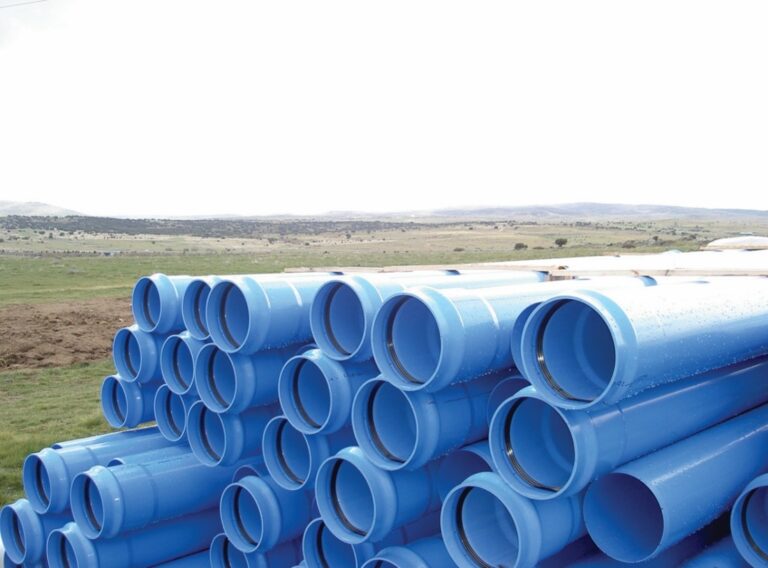
Leading this transformation, we find TOM® pipes and ecoFITTOM® fittings, the innovative solutions manufactured using Molecor’s exclusive Molecular Orientation technology. By reorganizing the molecular structure of PVC, mechanical performance is enhanced while reducing the amount of raw material required. The result is a lighter, stronger, and more efficient product than conventional alternatives.
Sustainability is integrated into every stage of the value chain. From manufacturing and transportation to installation and operation, TOM® and ecoFITTOM® are designed to minimize environmental impact through lower resource consumption, optimized energy use, long service life, and responsible material management.
TOM® pipes and ecoFITTOM® fittings have been presented as the most ecological solution of all those existing in the market, due to their better contribution to the correct sustainable development of the planet. In addition, TOM® pipes are remarkably lightweight, weighing less than half as much as PVC and PE pipes and between six and twelve times less per linear meter than equivalent cast-iron pipes. This fact facilitates handling, transport, and installation while reducing associated environmental impacts.
One of their main environmental advantages is a significantly lower carbon footprint. The manufacturing process requires less energy than many traditional pipe materials, generating up to 33% fewer CO₂ emissions.
The benefits extend beyond emissions reduction. TOM® and ecoFITTOM® contribute to the efficient use of natural resources by maximizing hydraulic capacity and minimizing water losses. PVC is also a resource-efficient material, as only 43% of its composition is derived from oil. Combined with lower energy consumption throughout the entire life cycle, these characteristics contribute to a more sustainable use of resources.
Circularity is another key pillar of their design. OPVC pipes and fittings are 100% recyclable. They can be ground and processed as rework material to be used in the manufacture of other plastic products with lower technical requirements. Combined with resource optimization and waste reduction strategies, this approach contributes to more responsible production and consumption patterns, in line with SDG 12.
Durability also plays a crucial role in sustainability. TOM® pipes and ecoFITTOM® fittings offer outstanding resistance to impact, fatigue, corrosion, and chemical degradation, ensuring reliable performance. A longer service life means fewer replacements, lower maintenance requirements, and reduced consumption of resources over time, while helping preserve water quality across the network.
By combining efficiency, durability, recyclability, and a reduced environmental footprint, TOM® and ecoFITTOM® demonstrate how innovative products can support smarter water management. Together, they provide a practical solution for building the sustainable, resilient infrastructure needed to meet the challenges of today and tomorrow.
Every Process. Every Product. Every Time- Quality First
Arun Plasto Moulders (India) Pvt. Ltd. — known in industry circles as APPL — is the flagship manufacturing enterprise of the Saro Group of Companies, one of India’s most diversified and respected private business groups. Headquartered in Chennai, Tamil Nadu, the Saro Group traces its origins to 1984, when founder Mr. P. Marimuthu established Arun Enterprises at the Guindy Industrial Estate to manufacture plastic processing machinery. That foundational business, now more than four decades old, continues to export to 32 countries worldwide — a quiet testimony to the enduring quality standards the group has maintained since its inception.
APPL itself was incorporated in 2004, created to harness the growing global demand for precision plastic components and high-quality packaging. Since then, it has grown into a nationally significant manufacturer operating across three Indian states — Tamil Nadu, Andhra Pradesh, and Uttarakhand — with a combined built-up area of 3 million square feet and a workforce of more than 800 skilled professionals.
“We began with the belief that Indian manufacturing could meet the world’s highest standards. Everything we have built since is proof of that conviction.”
Infrastructure & Scale
APPL’s manufacturing presence is anchored by four strategically located facilities, each purpose-built to serve distinct market segments. The flagship campus at Pillaipakkam, Sriperumbudur — a greenfield facility established in 2013 — houses three dedicated production units covering packaging, polycarbonate extrusion, and electronic plastic components respectively. The Haridwar facility in Uttarakhand was built expressly to serve the FMCG supply chains of multinational corporations. Two further facilities, at Guindy in Chennai and Rajamundry in Andhra Pradesh, complete the group’s national footprint.
The company’s production capabilities reflect its commitment to technological leadership. APPL operates more than 250 injection moulding machines — a remarkable 97 per cent of which are all-electric, underscoring its dedication to precision, energy efficiency, and environmental responsibility. Our fleet of machines consists of: Fanuc, JSW, Toshiba, Engel, TOYO, and so on. Complementing these are 15 thermoforming machines, 10 extrusion lines, and over 100 ancillary machines for pad-printing, hot foiling, wadding, and other value-added finishing processes.
Quality as an Operating Principle
Quality at APPL is not a department — it is the foundational operating principle of the entire enterprise. The company maintains a modern, fully equipped in-house QC laboratory, staffed by an expert technical team whose combined experience exceeds 40 years. Every production line is governed by rigorous quality management systems that consistently meet, and frequently exceed, international benchmarks — a fact affirmed by the company’s extensive certification portfolio and its long-standing relationships with some of the world’s most demanding corporate customers.
FOUR DECADES OF GROWTH & INNOVATION
The history of Arun Plasto Moulders is, in many ways, a microcosm of India’s own manufacturing transformation — a story of ambition meeting opportunity, and of a visionary founder who refused to confine his aspirations to a single decade or a single product line. What began as a machinery workshop in Chennai has, through sustained investment, strategic diversification, and an unwavering focus on quality, become one of South India’s most respected industrial groups.
Milestones That Shaped a Company
1984 — Arun Enterprises established at Guindy Industrial Estate, Chennai, manufacturing plastic processing machinery. The company begins what will become a 32-country export relationship spanning four decades.
2004 — Arun Plasto Moulders incorporated in Chennai. The company makes history as the first manufacturer in South India to produce laminated oval tubes for Oral care, establishing its early credentials in precision FMCG packaging.
2006 — Solar Compact established — the first CD and DVD manufacturing unit in South India — reflecting the group’s appetite for entering high-technology segments ahead of the market.
2007 — A second APPL facility inaugurated at Haridwar, Uttarakhand, built specifically to supply FMCG packaging to Unilever Ltd. This plant marks the beginning of one of APPL’s most enduring and defining corporate partnerships.
2010 — Arun Enterprises expands its northern presence with a second unit at Haridwar, consolidating the group’s manufacturing capability in Uttarakhand.
2013 — A landmark greenfield facility established at Pillaipakkam, Sriperumbudur — destined to become APPL’s most advanced and expansive campus.
2016 — A fourth facility launched at Rajamundry, Andhra Pradesh, dedicated to the agro-products packaging segment and extending APPL’s geographic and sectoral reach.
2017 — Unit 2 inaugurated at the Pillaipakkam campus for the manufacture of polycarbonate roofing sheets, further broadening the group’s product portfolio.
2019 — Unit 3 inaugurated at Pillaipakkam — a state-of-the-art facility dedicated entirely to electronic plastic components for the EMS (Electronics Manufacturing Services) sector, positioning APPL as a key partner to the booming Indian electronics industry.
2024 — Chairman Mr. P. Marimuthu honoured with the Lifetime Achievement Award by Modern Plastics India — the industry’s most prestigious individual recognition.
“Every facility we have opened has been a direct answer to a market need — and a statement of our faith in India’s manufacturing future.” Mr. P.Marimuthu
The Founder’s Vision
Driving each of these milestones is Chairman Mr. P. Marimuthu — a first-generation graduate and alumnus of CIPET Chennai, where he majored in Tool Design and Development. A self-made industrialist in the truest sense of the term, he identified the latent potential in precision plastic manufacturing long before the sector attracted the global attention it commands today. His progressive thinking led him to introduce several of the latest international technologies to India, significantly improving product quality and production efficiency across the business. Under his leadership, the Saro Group has not merely kept pace with industry evolution; it has, on numerous occasions, led it.
PRODUCTS, CUSTOMERS & GLOBAL REACH
APPL serves some of the world’s most demanding customers across four distinct and strategically chosen market segments. This breadth of portfolio is not accidental — it reflects a deliberate philosophy of building deep capability in each sector it enters, rather than pursuing superficial scale across many. From multinational FMCG corporations to global electronics manufacturers, from agricultural plastic aid products to specialised export food-grade packaging, APPL’s customer base is a roll-call of industry leadership.
FMCG & Consumer Packaging
APPL’s credentials in FMCG packaging run deep and has sustained multi-decade partnerships — producing high-volume, high-integrity packaging products from its purpose-built Haridwar and Chennai facilities. Its manufacturing capabilities are tailored to meet the speed-to-shelf and cost-efficiency demands that FMCG operations require, with process consistency that global supply chain auditors have repeatedly endorsed.
Notable FMCG Clientele
Unilever
Himalaya
Dabur
Bisleri
Marico
ITC
Godrej
and other prestigious partners
Electronics & Electrical
The company’s newest and fastest-growing segment, APPL’s electronics plastic components manufacturing capability is centred at its dedicated Unit 3 on the Pillaipakkam campus — inaugurated in 2019 in direct response to the surging demand from India’s electronics manufacturing ecosystem. The facility produces precision-moulded enclosures, connectors, housings, and sub-assemblies for leading domestic and international OEMs, operating to the tight dimensional tolerances and cleanroom-adjacent standards that the electronics sector demands. This segment positions APPL as a strategic domestic supplier to an industry that India has committed, at a national level, to developing into a global manufacturing hub.
Notable Electronics Clientele
Flex
Foxconn
BSH
Motherson
and leading EMS partners across domestic & global supply chains
Export Food Packaging
APPL manufactures a specialised range of food-grade trays and containers for international markets, including packaging for fish fillets and shrimps exported to the Japan and South East Asia. These products are produced to exacting food safety and international retail compliance standards, and the company exports to more than six countries including the USA, the United Kingdom, and the Middle East. This segment exemplifies APPL’s ability to operate at the intersection of manufacturing precision and regulatory rigour — a combination that few Indian plastics manufacturers can offer at comparable scale.
Notable Food Packaging Clientele
Kwality Wall’s
GRB Foods
Global suppliers for processed seafoods
and international food retail partners
Agro & Industrial Products
The Rajamundry facility in Andhra Pradesh serves the agricultural sector, producing packaging and component solutions for agro-industry applications. This is a segment in which APPL has earned specific external recognition — including the Plasticon Award for Contribution in the Agro Field — and one that reflects the company’s commitment to serving India’s rural and primary industry economy alongside its more high-profile corporate clientele.
Notable Agro Clientele
Kubota
Coromandel
Mahindra
and leading agro-industry partners across India
“Our customer portfolio is not a list of names — it is a record of trust earned, and standards met, over many years of disciplined partnership.”
Export Presence
Beyond its domestic operations, APPL exports to more than six countries across multiple continents. The USA, United Kingdom, and Middle East represent the primary destinations for its packaging products and components. Simultaneously, Arun Enterprises — the machinery arm of the Saro Group — maintains an independent export presence spanning 32 countries, carrying the group’s reputation for quality and reliability to a truly global audience. Together, these two businesses present a comprehensive picture of an Indian industrial group that has earned its place on the world stage.
OUR STANDARD
QUALITY, RECOGNITION & CORPORATE VISION
Excellence, at APPL, is neither claimed nor assumed — it is demonstrated through the certifications earned, the awards received, the audits passed, and the long-term partnerships maintained with customers who accept nothing less than the best. The company’s quality infrastructure is comprehensive: a modern in-house QC laboratory, an expert technical team with over 40 years of expertise, and quality management systems that align with the most rigorous international standards in force across its operating segments.
Awards & Recognitions
Over four decades, APPL and its founder have accumulated a distinguished array of industry honours that bear testimony to the company’s sustained excellence across quality, innovation, and social responsibility:
★Arch of Europe for Quality — International recognition for manufacturing excellence across European market standards.
★DuPont Award, USA — Conferred for outstanding innovation and quality performance in the plastics industry.
★Plasticon Award — Contribution in the Agro Field, recognising APPL’s impact in agricultural plastic product solutions.
★Best Entrepreneur Award by the Government of India, 2006 — Honouring the visionary business leadership of Chairman Mr. P. Marimuthu.
★Best Supplier (India) — Awarded by Unilever in recognition of sustained supply chain excellence and partnership integrity.
★Lifetime Achievement Award — Conferred by Modern Plastics India in 2024 to Chairman Mr. P. Marimuthu, in recognition of a career that has shaped an industry.
“Recognition matters — not because we seek applause, but because it affirms that we are building something of genuine and lasting worth.”
Corporate Vision & Culture
APPL’s corporate philosophy is articulated through six interconnected pillars that define how the company thinks, acts, and grows. Together, they form a coherent framework for sustainable, purpose-driven enterprise:
MISSION
To contribute to society by developing technologies that redefine the market — not merely keeping pace with change, but actively shaping it.
PROSPECT
To rely on team strength, make consistent progress, and grow organically toward market leadership — built on capability, not acquisition.
CORE
Quality. Commitment. Innovation. Three words, non-negotiable, that govern every decision made at every level of the organisation.
PEOPLE
To educate and encourage team members toward shared goals; to create an ecosystem of healthy dialogue, equal opportunity, and mutual respect across the entire organisation.
ENTERPRISE
To establish strategies in active partnership with clients, assuring their participation and upholding rigorous quality standards as a foundation, not an aspiration.
SOCIETY
To prioritise harmonious development between enterprise and community; to realise the value of the business and contribute meaningfully to the society within which it operates.
Achieving Maximum Process Stability and Superior Pellet Quality
New Features for Greater Efficiency and Quality
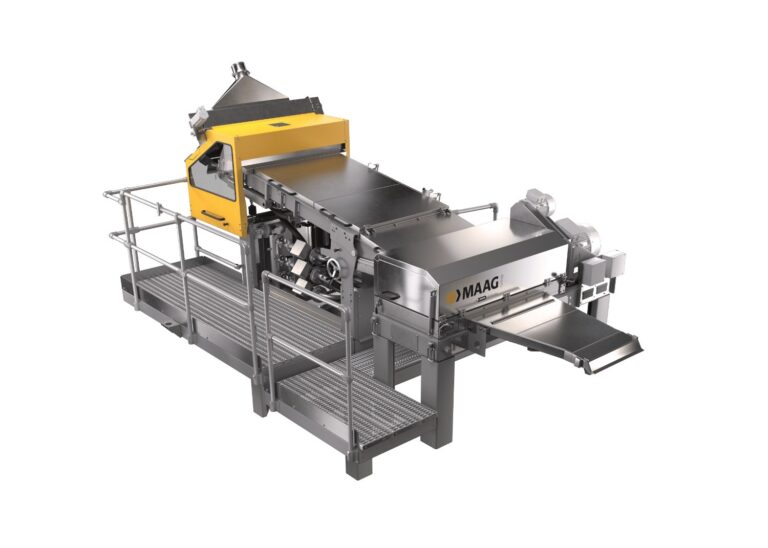
For decades, MAAG has set benchmarks in underwater strand pelletizing technology (USG). With the new M²-USG generation, the company introduces a system designed to deliver enhanced process stability, higher throughput, and consistently superior pellet quality. Design improvements combined with advanced sensor integration enable customers to achieve more reliable production and improved operational efficiency.
Focus on Reliability and Product Quality
The new development is engineered to ensure maximum system availability (>99% OEE) and highly stable production processes. Reduced downtime and minimized scrap rates help lower operating costs while improving overall plant profitability.
At the core of the system is the newly developed M²-USG cutting head, designed to simplify operation and maintenance while minimizing the risk of operator error. Maintenance procedures can largely be performed without tools, and cleaning times have been significantly reduced, allowing operators to return to production faster.
From Polymer Melt to Perfect Pellets
MAAG systems are engineered to produce uniform, cylindrical pellets with minimal fines. During the process, the polymer melt passes through a die plate, is cooled and automatically guided into the pelletizer.
Precise control of process parameters is essential. Incorrect settings can cause strand adhesion, unstable cutting conditions, and ultimately production interruptions. The M²-USG addresses these challenges with a series of targeted design optimizations, helping customers maintain stable, efficient, and sustainable production.
Mastering the Critical Startup Phase
The startup phase is often one of the most critical moments in pelletizing operations. During this stage, polymer strands must be reliably transferred into the guide system.
A newly developed scraper combines high operating speed with particularly gentle strand handling. The strands are cut sequentially at the die plate and fed into the strand guide section and the cutting head with a controlled time delay. This significantly reduces the risk of strand sticking, clogging or excessive startup waste, resulting in faster and more reliable process ramp-up.
Seamless Transition for Enhanced Stability
An optimized water film on the startup table prevents turbulence and reduces the risk of strands sticking together. In addition, transport water is injected immediately after cutting, preventing potential blockages inside the cutting head, even when processing high-temperature polymers or challenging materials such as polycarbonate.
The result is smoother machine operation, improved process stability and increased system availability for the customer.
Larger Cutting Rotor for Higher Performance
The new cutting head features a compact and optimized design with improved sound insulation. The rotor diameter has increased from 162.5 mm to 200 mm, while the number of blades has grown from 30 to 36.
This upgrade enables significantly higher throughput while extending service life by 20%. A stable cutting gap ensures consistently high pellet quality and reduces maintenance requirements and spare-part consumption further lowering operating costs.
High Capacity in a Compact Design
The M²-USG is available in machine widths of 600, 900, and 1200 mm. At 600 mm width, the system achieves throughputs of up to 13,000 kg/h (PET), while the 1200 mm version reaches up to 24,000 kg/h – significantly exceeding the performance of previous models.
This higher capacity allows processors to achieve the same output with smaller machine sizes, reducing both capital investment and installation footprint.
Integrated Sensors for Maximum Efficiency
Integrated sensors continuously monitor key parameters such as vibration, temperature, flow rates, and pressure to ensure an optimal production at the sweet spot. Any deviations are immediately detected and reported, also via remote monitoring, helping operators prevent process instability and scrap.
A camera system monitors strand flow, while compressed air consumption is also tracked. In addition, energy-efficient reluctance motors contribute to lower energy consumption and improved sustainability.
Conclusion
With its advanced engineering, improved process stability, and outstanding pellet quality, the new M²-USG sets a new benchmark in underwater pelletizing.
Customers benefit from reduced operating costs, higher throughput, improved efficiency, and integrated sensor technology that ensures maximum process reliability.
In micro injection molding, starlim relies on MicroPower production cells from WITTMANN
The MicroPower offers ample room for automation. In addition to the vertically integrated Scara robot, solutions developed by customers can also be integrated via interfaces.
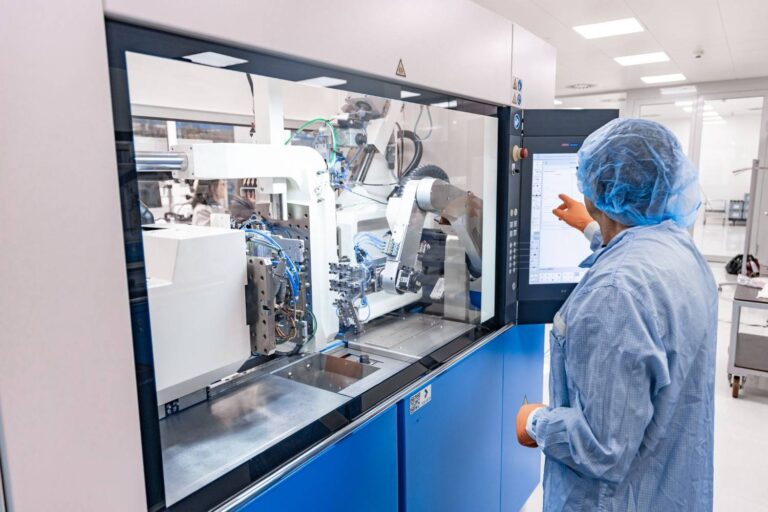
New applications in medical technology, automobile electronics and other industries are generating a rising demand for micro parts made of silicone. starlim, the world’s largest silicone processor, is well prepared. At its headquarters in Marchtrenk, Austria, an entire department is dedicated to micro molding – equipped with MicroPower injection molding machines from WITTMANN and its own cleanroom.
“For us, everything below a part weight of ten milligrams is micro”, says Dominik Kreuzmayr and passes around two sample parts at the conference table during our visit in Marchtrenk, an O-ring and a hearing aid component. Kreuzmayr is the marketing team leader and was previously the driver of the micro molding department’s in-house development. He knows that there is no universally accepted definition of micro injection molding. The classification at starlim is based on many years of experience and a deep understanding of the material behavior inside extremely fine mold structures. For entirely different rules apply here, says Kreuzmayr.
The two micro parts are packaged in transparent bags. Measuring 0.7 x 0.4 mm, the O-ring by itself is too small to pick it up with our fingers. It is a prime example of the precision of mass-produced micro components.
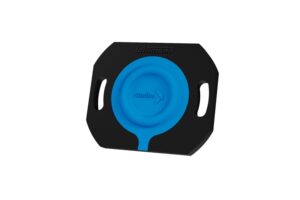
By direct comparison with the O-ring, the hearing aid component measuring 6 by 5 by 1 mm looks almost large, but it impresses viewers by its design. It is a two-component part. At its center, there is a membrane consisting of blue-colored liquid silicone (LSR), which is surrounded by a robust thermoplastic frame made of PBT, which facilitates the assembly inside the hearing device. The application determines the size of the part.
In micro molding, a magnifier is not always sufficient for checking the quality of molded parts. This is often only possible under a microscope.
Extremely accurate and stable regulation
This particular hearing aid component was produced inside a single-cavity mold on an all- electric MicroPower injection molding machine. “For industrial mass production, we stop at four cavities”, explains Kreuzmayr. 16 cavities would already be too many, since wherever highest precision is required on the sub-millimeter level, it is important to have the cavities arranged very closely together. The main challenge in producing the hearing aid components are the narrow tolerances in the area of the corrugation on the membrane body. “Here we must be able to rely on the injection molding machine’s control accuracy, for in contrast to injection molding of larger parts, the remnant melt cushion plays no part here”, emphasizes Günter Polt, Application Engineer in starlim’s micro injection molding department. Polt has been working in the area of silicone injection molding for almost 30 years. When he moved to the micro molding department several years ago, “it was quite a shock”, he confides to us with a wink. “You cannot judge the quality of the parts with the naked eye. That is often only possible under a microscope.”
“The MicroPower machines recommend themselves by their extraordinary precision in the execution of all parameter settings”, points out Kreuzmayr. “This extremely sensitive dynamism combined with absolutely stable and accurate regulation is setting new benchmarks. Here, people are really re-thinking their standards of process reliability and repeatability.”
In the case of these hearing aid components, the high impression accuracy is not only decisive for efficient assembly. In this application, high precision is much more important for accurate sound reproduction. The tolerance margins for the finished two-component part are plus/minus two micrometers. This requires a very precise adjustment and control of the clamping force, as well as a very precise mold.
Integrated quality control
Two-component part for hearing aids: ultimate injection molding precision is the prerequisite for accurate sound reproduction.
The mold comes from the in-house mold-making shop, where the roots of the now globally successful group of companies lie. In1974, Franz Sterner founded the mold-making business Sterner Werkzeugbau GmbH (formerly Franz Sterner GesmbH). Ten years later, the company Starlim Spritzguss GmbH (formerly Starlim Gummi- und Kunststoffverarbeitung GmbH) was established. These two business segments have long since become an inseparable entity. Molds are now being made exclusively for the company’s own production.
A big advantage for the customers – they get coordinated solutions from a single source and benefit from the knowledge transfer and integrated development. Only new laser technologies and micro-3D printing make it possible to construct molds for such tiny hearing aid components with so stringent acoustic quality standards.
For mass production it is planned to test the vibrational properties of the membrane in-line, that is directly following injection molding, still inside the cavity. This is the most efficient way, since there the extremely tiny parts are still in a defined position and need not be realigned for the quality check. For the vibration test, the mold-makers have integrated a sound emitter and a laser measurement system inside the robot gripper. “With this hearing aid component, we have achieved a real break-through, thanks to innovative mold technology and extremely efficient processing technology”, says Kreuzmayr.
At starlim, the MicroPower is the standard equipment in the area of silicone micro molding. Pictures: Starlim Spritzguss GmbH
Compact on two square meters of production floor
The integration of further production steps such as quality control is extremely well supported by the MicroPower’s design concept. On a floor space of just two square meters, the all-electric work cell fits in the entire equipment, including the clamping unit with a rotary plate, the patented two-step injection system, plus materials handling, automation, a temperature controller, the quality control system, and further process units. All of this while still keeping the mold space with a 400 mm distance between platens easily accessible. Linear guides ensure highly sensitive mold protection, and thanks to a high-precision 5-point toggle lever system, the clamping force is very evenly distributed across the mold parting line. “The machine’s design enables us to move the injection plunger right up to the mold parting line”, is how Jochen Sassmann, Regional Sales Manager of the WITTMANN Group and cooperating closely with starlim’s micro molding team, describes yet another feature contributing to high processing efficiency. It significantly reduces the sprue in size or even eliminates it altogether. Since fully vulcanized LSR cannot be recycled, silicone injection molding reaps the greatest benefit from this material-saving process.
Making the most of what the machines have to offer
15 years have gone by since starlim established its micro molding department. Then, the first micro molding machine from Battenfeld quickly arrived on its production floor. “At that time, Battenfeld was the only company able to supply micro machines for industrial mass production”, Kreuzmayr states. “The machine concept was continuously further developed and today defines the state of the art in micro injection molding in terms of precision and efficiency”, says Sassmann. With the MicroPower injection molding machine, the WITTMANN Group, of which Battenfeld is a part, still holds a unique selling point today.
Two-component part for hearing aids: ultimate injection molding precision is the prerequisite for accurate sound reproduction.
Several MicroPower injection molding machines are currently operating at starlim in Marchtrenk, some inside the new clean room, where items such as high-precision products for eye surgery are being produced. Every one of these machines is tailored to fit the requirements for some special product group. There are some machines fully equipped for single-component injection molding, as well as two-component machines and one integrated system consisting of two individual machines connected to each other via a robot. The integrated system increases flexibility. It allows for the highly efficient production of two- component parts, but the two machines can also be utilized independently of one another
with single-component molds. In terms of automation, the MicroPower concept offers ample freedom. In addition to the vertically installed Scara robot, which is an integral part of the MicroPower production cell, various handling systems can be integrated via interfaces – including systems developed in-house by starlim.
Multi-component machine or integrated solution? – For each new project, the question of which production concept yields the higher overall efficiency is thoroughly investigated. The proportion of two-component products is currently about 40 per cent. The Micro Molding team at starlim is certain that this percentage will rise. Inquiries for two-component parts are already being launched more frequently now, but they also take up more time in product development.
Mass production, which originally tipped the balance towards cooperation with the WITTMANN Group in micro molding, still dominates the daily production scene in Marchtrenk to this day. Batch sizes in the millions are quite common. “MicroPower machines cope reliably with these extreme challenges and ensure a safe process for us”, says Dominik Kreuzmayr. In this context, starlim’s micro molding team also points to the good cooperation with the WITTMANN Group. “We communicate fast across short distances, and have so far found solutions for all challenges we have faced by putting our heads together. Thanks to our good partnership, we are really able to make the most of everything the machines have to offer in terms of technology.”
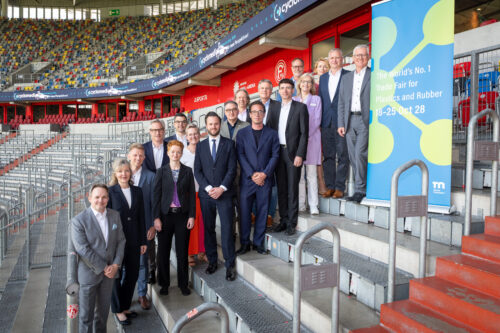
The inaugural meeting of the Exhibitor Advisory Board has marked the start of preparations for K 2028. The world’s leading trade fair for the plastics and rubber industry will take place in Düsseldorf from 18 to 25 October 2028. The Advisory Board supports Messe Düsseldorf in the strategic and conceptual development of K and advises it on fundamental issues regarding the focus, programme structure and communication of the world’s leading trade fair.
At the start of the Advisory Board meeting, the committee unanimously elected Dr Axel von Wiedersperg, CEO of Brückner Group SE, as its new Chairman. He succeeds Ulrich Reifenhäuser, who has led the Advisory Board since 2004 and played a key role in shaping K over the past two decades.
Dr Axel von Wiedersperg holds a doctorate in law and has been Managing Director of the Brückner Group since 2009. He possesses many years of industry and market knowledge in the plastics and rubber sector, as well as an extensive international network within the industry. He has been a member of the K Exhibitor Advisory Board since 2023 and was therefore already involved in the preparations for K 2025 and the strategic development of the trade fair. In addition, he serves on the board of the VDMA Plastics and Rubber Machinery Association.
The meeting focused on a joint review of K 2025, the evaluation of the exhibitor and visitor survey, and an initial outlook on the direction of K 2028. Key themes for the upcoming event were discussed, and the next steps for the strategic development of the world’s leading trade fair were initiated.
The K Exhibitor Advisory Board represents the entire spectrum of the trade fair – from machinery and plant engineering through the production of plastics and rubber to their processing. It comprises representatives from the exhibiting industry as well as leading industry associations.
Next-Generation Rotating Retractors Raise The Standard Of Processing Line Cleaning
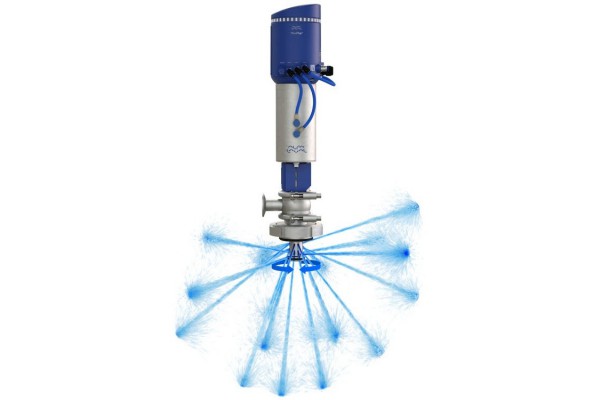
In spray-drying applications, including powder production, within hygienic processing industries, incomplete cleaning of hard-to-reach surfaces can lead to contamination risks, product loss, and costly downtime. To address these challenges, Alfa Laval today announces the launch of the Controlled Rotating Retractors, designed to effectively remove residues and contaminants from ducts, pipes, tanks, and enclosed areas.
The introduction of the high-performance CIP cleaning devices underscores Alfa Laval’s commitment to providing manufacturers across the dairy, food, beverage, pharmaceutical, and biotech industries with solutions that optimize cleaning performance in hygienic processing lines.
These innovative devices expand Alfa Laval’s tank cleaning portfolio of retractable cleaning devices. They deliver up to twice the cleaning efficiency of traditional static spray ball systems, effectively reaching shadow zones while reducing water and cleaning media consumption. By achieving full coverage with fewer devices, they enable safer, faster, and more resource-efficient operations.
“These controlled rotating retractors make it possible to access challenging areas with fewer devices,” says Kim Kjellberg, Global Tank Cleaning Portfolio Manager at Alfa Laval. “They deliver what today’s manufacturers demand – faster, more precise cleaning with minimal manual intervention. Moreover, they also improve operational performance, support sustainability goals, and cut installation and cleaning costs.”
Reduced resource consumption and lower costs
The Controlled Rotating Retractors reduce water and cleaning media usage by up to 55% compared to static spray balls. Their extended jet reach allows each unit to cover a larger surface area, minimizing the number of devices required. As a result, manufacturers can lower both capital expenditures and operating costs while maintaining high cleaning performance.
Validated performance and process control
Integrated with the Alfa Laval ThinkTop V70 sensing and control unit, these retractable cleaning devices provide real-time monitoring and performance validation. This ensures full process control, minimizes downtime, and enhances workplace safety by reducing the need for manual intervention.
During production, the rotating cleaning retractors remain sealed and flush with the vessel wall, preventing contact with the product area. During cleaning, the cleaner head extends to provide full coverage of product-contact surfaces. Once the cleaning cycle is complete, the cleaner head retracts, leaving the duct, pipe, tank, or enclosed area ready for immediate production.
Maintenance made easy
Simplify maintenance with a one-handed tool that allows easy wear-part removal without detaching the supply tube, keeping the retractor securely connected for safe, easy servicing even in hard-to-reach areas.
Documentation and compliance
The devices support good manufacturing and hygienic practices and comply with FDA, EU and China regulations. For high-purity pharmaceutical and biotechnology applications, the Controlled Rotating Retractor UltraPure includes Alfa Laval Q-doc documentation, providing full traceability of all product contact parts. Q-doc covers conformity declarations, material certificates, relevant test certificates, and documentation to support a smooth qualification and validation process.