24.6 C
Korea
Sunday, July 12, 2026
Home Blog Page 104

Photochemical Etching Drives Innovation in the Semiconductor Industry

Photochemical Etching Drives Innovation in the Semiconductor Industry

Micrometal & next generation photo-chemical etching (PCE) process plays a pivotal role in driving innovation within the semiconductor industry, particularly through the production of advanced lead frames. Lead frames are crucial components in semiconductor devices, serving as the backbone for mounting and interconnecting the silicon chip to other electronic components or printed circuit boards (PCBs). These frames not only provide mechanical support but also facilitate electrical connectivity, acting as a bridge between the intricate circuitry of the semiconductor chip and the external environment.

Jochen Kern, Head of Sales and Marketing at micrometal says, “The semiconductor industry constantly seeks ways to enhance device performance, reduce size, and increase functionality, and this is where micrometal & expertise in PCE comes into play. Our precision manufacturing process enables the creation of highly intricate and complex lead frame designs that traditional methods cannot achieve. By utilising advanced PCE, micrometal can produce lead frames with finer pitches, smaller features, and unique geometries, which are essential for the next generation semiconductor devices.” PCE offers several advantages over conventional machining techniques, including the ability to produce components without inducing stress or altering material properties. This aspect
is particularly important for semiconductor applications where the integrity of the material can significantly impact device performance. In addition, the process allows for high precision and consistency across large production volumes, essential for meeting the stringent quality standards of the semiconductor industry.

Kern continues, “Innovation as stimulated by micrometal & next generation PCE process in lead frame manufacturing can manifest in various ways. For instance, it enables the development of more compact and efficient power devices, advanced sensors, and high- frequency communication modules by allowing for the miniaturisation of components and the integration of complex features. These advancements can lead to improved device reliability, enhanced performance, and greater energy efficiency, addressing the critical needs of emerging technologies such as 5G, the Internet of Things (IoT), and artificial intelligence (AI). Moreover, the flexibility of the PCE process supports rapid prototyping and customization, enabling semiconductor manufacturers to experiment with new designs and concepts more freely. This agility is crucial for accelerating the development cycle of new products and technologies, fostering innovation and maintaining competitiveness in a fast- evolving industry.”

Micrometal advanced PCE process represents a critical technological advancement for the semiconductor industry, offering a combination of precision, flexibility, and efficiency that
drives innovation. By enabling the production of lead frames and other components that meet the industry& evolving demands, this process supports the continuous miniaturization and performance enhancement of semiconductor devices. These advancements are not just technical achievements, but are instead the building blocks of the future, enabling new technologies and applications that will transform the world.
www.micrometal.de


#modernplasticsindia #indianplasticmagazine #modernplasticsaward #plasticnews #modernplasticsgermany #ginujoseph #modernplastic #plasticindia  #plasticrecycling #sustainability #modernplasticsglobalnetwork #modernglobalnetwork #modernplasticsaward2023 #plasticmagazine #PlasticIndustry  #modernplasticsmiddleeast #indianmagazine #innovations #modernplasticsamerica #modernplasticsbangladesh #modernplasticsasia #modernplasticsitaly  #cortecadvertising


Syensqo Launches New Swyft-Ply Brand of Composites for Electronic and Smart Devices

0

Syensqo Launches New Swyft-Ply Brand of Composites for Electronic and Smart Devices

Multifunctional materials leveraging traditional benefits of composites while meeting unique manufacturing and performance requirements

Syensqo, previously part of Solvay Group, has announced the launch of Swyft-Ply, a new composite material brand that enhances design options for the electronic and smart devices market. ‘Swyft’ emphasizes the fast-curing nature of the company’s strong and lightweight composites, and ‘Ply’ reflects the use of multiple material layers in the design of composite parts.

“We have developed Swyft-Ply with the electronics and smart devices industry’s quick development cycle and high volume manufacturing requirements in mind,” explains Andrew Lau, Senior Executive Vice President of Electronics & Industrial at Syensqo Speciality Polymers GBU. “Such requirements include materials that can be processed quickly while enabling reduced secondary manufacturing costs thanks to controlled flow resins and compatibility with other processes such as overmolding. We look forward to witnessing the wider adoption of composites in this market.”

“By leveraging our deep knowledge of composites we have been able to support the Electronics market in adopting this technology,” said Marc Doyle, Executive Vice President of Syensqo Composite Materials GBU. “From product formulation to data generation and application engineering, our team has worked hand in hand with our customers to bring their concepts to reality.”

Swyft-Ply products have been developed to leverage the well-known benefits of composites such as weight reduction and exceptional strength to enable new form factors that are not only thinner but provide more design flexibility and freedom needed by device manufacturers. The Swyft-Ply product portfolio offers the ability to select important material features such as dielectric performance, thermal characteristics as well as UL94 flammability requirements that are of specific interest to our customers.

The Swyft-Ply portfolio is based on multiple polymer resin types and reinforcements, available in various material formats, and has been specifically formulated to maximize processing efficiencies through fast-curing, controlled flow and extended storage conditions.

https://www.syensqo.com/en/

#Syensqo#Swyft-Ply#composites #devices #modernplasticsindia #indianplasticmagazine #modernplasticsaward #plasticnews   #modernplasticsgermany #ginujoseph #modernplastic #plasticindia  #plasticrecycling #sustainability #modernplasticsglobalnetwork #modernglobalnetwork #modernplasticsaward2023 #plasticmagazine #PlasticIndustry  #modernplasticsmiddleeast #indianmagazine #innovations #modernplasticsamerica #modernplasticsbangladesh #modernplasticsasia #modernplasticsitaly


5 Ways The TDK500 Auto Gauge Air Ring Adds Sustainability Value For Blown Film Producers

0

5 Ways The TDK500 Auto Gauge Air Ring Adds Sustainability Value For Blown Film Producers

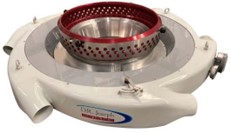
The TDK‐500 Insta Gauge Automatic Air Ring provides a reliable and effective solution for controlling transverse direction film thickness, which ensures a uniform film gauge on blown film extrusion lines. The TDK‐500 quickly puts production on gauge, on time, by using a re‐envisioned approach to air modulated gauge control.

  1. Sustainable Production: Accurate gauge control reduces material usage in blown film production. By precisely controlling film thickness uniformity, manufacturers reduce the resin consumption traditionally required to ensure that minimum thickness is guaranteed. The air flow from each control zone is constrained in an independent channel that extends to just before the secondary lip exit. This eliminates zone cross mixing and provides a more direct and effective control response to the film, a stand‐out feature of the TDK500 auto profile air ring. See Figure 1.


  1. Flatter Film: Insta Gauge uses sophisticated sensors and feedback mechanisms to monitor and adjust the film thickness continuously, ensuring flatter film. By minimizing thickness variations, manufacturers can achieve higher product quality and meet tighter tolerance requirements while also avoiding issues such as uneven sealing or poor printability. This, in turn, enhances the performance and aesthetics of the final product, meeting customer expectations.


  1. More Production Hours Per Day: the Insta Gauge name is a nod to how quickly the unit achieves target thickness with at least a 50% reduction in gauge variation. In as little as 5‐7 minutes, operators are in saleable production. That is less time and resin lost to out of spec material, and bonus time producing saleable product. Lower lip lock is greatly simplified with the TDK, which translates into less training, and faster start‐ups. See figure 2.


  1. Process Stability: Insta Gauge provides better process stability by compensating for external factors that can impact film thickness variation, such as die gap variation or ambient temperature. By auto‐ adjusting parameters, the system maintains stable production conditions, reducing the risk of defects and ensuring reliable and repeatable results. Additionally, operators can visualize and analyze key production parameters, such as film thickness profiles, trends, or statistical data. This information helps identify process variations, optimize settings, and make data‐driven decisions for process improvements.

In conjunction with gauge control, advanced process stability can be achieved with the integration of the DRJ 3rd Generation IBC Control System. Precision width control with the IBC, especially when paired with the Automatic Layflat Calibration system offers width stability. This improves sustainability marks by reducing edge trim from a tighter control of layflat. Drilling down on width control helps you only produce what is required for the job, meaning less wasted resin.


  1. Production Flexibility: The TDK500’s modular construction allows for fast and simple lip set swaps to expand the range of blow‐up ratios that the unit will support. This versatility allows for greater production flexibility and the ability to meet diverse market demands on one line, with one air ring. Lip adjusts can be made on the fly, and require no tools! See figure 3.


Want to learn more? See how the TDK500 Insta Gauge acheives these objectives, and learn what sets it apart from the rest: https://www.drjosephinc.com/automatic-air-ring-tdk500/ 

#Die Mould #modernplasticsindia #indianplasticmagazine #modernplasticsaward #plasticnews #modernplasticsgermany #ginujoseph #modernplastic #plasticindia  #plasticrecycling #sustainability #modernplasticsglobalnetwork #modernglobalnetwork #modernplasticsaward2023 #plasticmagazine #PlasticIndustry  #modernplasticsmiddleeast #indianmagazine #innovations #modernplasticsamerica #modernplasticsbangladesh #modernplasticsasia #modernplasticsitaly

Jacking Loadout and Floatover Operations for 19,600-tonne Offshore Platform Successfully Completed

Jacking Loadout and Floatover Operations for 19,600-tonne Offshore Platform Successfully Completed

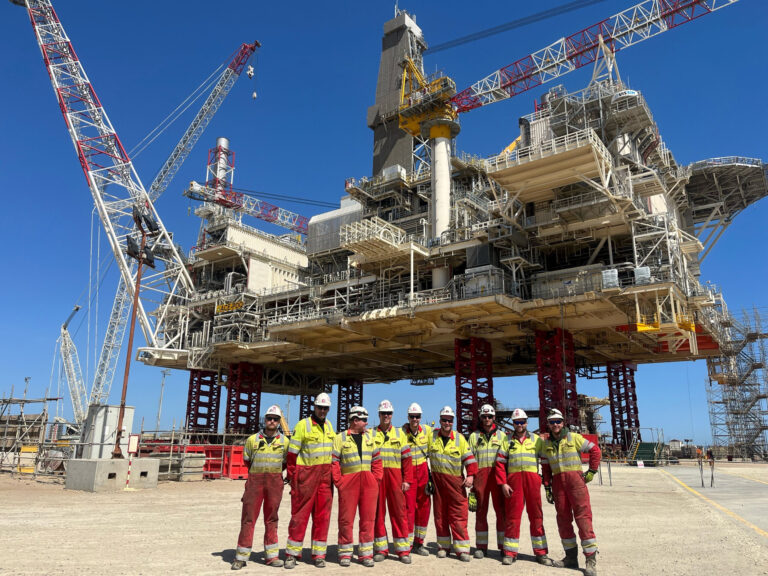
Mammoet, the global leader in engineered heavy lifting and transport, is pleased to announce the successful completion of a remarkable project that showcases its commitment to efficient solutions and safety. Through creative engineering and the use of its state-of-the-art equipment, Mammoet has achieved a significant milestone – the safe and efficient load-out and offshore installation of a massive offshore platform. This achievement is part of the Azeri Central East (ACE) project, the next  phase of the development of the bp-operated Azeri-Chirag-Deepwater Gunashli (ACG) field  in the Caspian Sea.
Mammoet’s scope included the weighing, jack-up, load-out and floatover installation operations of the 19,600-tonne production, drilling, and quarters (PDQ) platform. Leveraging its comprehensive engineering capabilities, Mammoet ensured the precise transfer of the platform’s topsides unit from the quayside onto the transportation barge STB-1 and subsequently onto the jacket foundation offshore. Prior to its departure, the topsides unit underwent meticulous commissioning and operational testing onshore, significantly reducing offshore installation and start-up activities.

Engineered solutions
At the quayside, the topsides unit was expertly jacked up to a height of 17 meters and then gently lowered onto a custom loadout support frame, utilising Mammoet’s largest jacking system – Mega Jack 5200. The unit was then smoothly skidded onto the barge, where it was sea-fastened and prepared for its voyage to the ACG field. The skidding operation onto the barge’s deck was accomplished using four 900-tonne strandjacks, break-out jacks, high capacity ballast system, load monitoring quay jacks comprising of six 600-tonne jacks, and mooring winches.
Upon its arrival at the designated field location, Mammoet executed the installation of the topside unit onto the jacket foundation through a floatover operation. The barge was precisely positioned over the substructure and the topsides unit was then lowered onto the substructure, while maintaining the barge’s position. The barge’s internal ballasting and winching system was enhanced with Mammoet’s float-over winches and configurable high-flow rapid ballast system. This enhancement added an additional flow capability of approximately 32,000m3/hr. This centrally controlled and monitored ballast system ensured real-time oversight, guaranteeing operational continuity and a safe floatover process.

The project’s success is not only marked by its technical achievements but also by its outstanding safety record. Throughout the construction of the 19,600-tonne topsides unit, more than 21 million hours were worked injury-free. This unit, comprising vital oil and gas processing facilities, an integrated drilling rig, a gas compressor, and living quarters, was expertly constructed by Azfen in the Bayil fabrication yard, utilizing local infrastructure and resources.

Mammoet played a key role in the integration of the platform’s DES and MDSM modules, totaling 2,400 and 2,350 tonnes respectively, showcasing the company’s multi-faceted capabilities. The combination of Mammoet’s advanced jacking and skidding systems, along with SPMTs, ensured a seamless and secure operation. Looking ahead, drilling is expected to commence in the coming months with the delivery of ACE’s first oil projected to begin in early 2024.
Dan Kempin, Business Development Manager for Mammoet, commented: “As we continue to redefine industry standards through our innovative solutions and steadfast commitment to safety, the successful loadout and float over operations of this massive topsides unit stands as a testament to Mammoet’s dedication to excellence in engineered heavy lifting and transport.”

www.mammoet.com

#modernplasticsindia #indianplasticmagazine #modernplasticsaward #plasticnews #modernplasticsgermany #ginujoseph #modernplastic #plasticindia  #plasticrecycling #sustainability #modernplasticsglobalnetwork #modernglobalnetwork #modernplasticsaward2023 #plasticmagazine #PlasticIndustry  #modernplasticsmiddleeast #indianmagazine #innovations #modernplasticsamerica #modernplasticsbangladesh #modernplasticsasia #modernplasticsitaly

FMI’ Analyst view: “Packaging with Purpose: Creating Memorable Unboxing Experiences”

FMI’ Analyst view: “Packaging with Purpose: Creating Memorable Unboxing Experiences”

The e-commerce packaging market is estimated to be valued at US$ 76.9 billion in 2024. E-commerce packaging is predicted to rise at a CAGR of 10.6% from 2024 to 2034. The global e-commerce packaging market is anticipated to reach US$ 210 billion by 2034. The e-commerce packaging market is experiencing growth globally, driven by the increasing adoption of online shopping. As consumers shift towards convenient and seamless online transactions, the demand for efficient, secure, and sustainable packaging solutions is on the rise. The surge in e-commerce activities, driven by technological advancements, changing consumer behavior, and the convenience of online shopping, is a primary driver. Customization, sustainability, and the integration of technology into packaging solutions are key trends shaping the market.

E-Commerce Packaging Market Growth Drivers:

  •  The ongoing surge in online shopping and e-commerce activities is a primary driver for the e-commerce packaging market.
  • Increasing investment by E-commerce companies in visually appealing packaging designs to enhance the overall unboxing experience to boost the market growth.
  •  Increasing applications in various end-use industries.
  • The rapid growth of the pharmaceutical industry to drive the market demand.
  •  Increased consumer awareness and increased spending power.
  • The growing advances in packaging material.
  • The growing demand for sustainable packing solutions in the retail e-commerce sector.

E-Commerce Packaging Market Key Challenge

  •  Finding sustainable alternatives and reducing reliance on non-recyclable materials pose challenges in balancing environmental considerations with packaging requirements.
  • Adhering to evolving packaging regulations and standards, which vary across regions, can be challenging.
  •  Balancing the need for cost-effective packaging solutions with maintaining quality and meeting sustainability goals poses a challenge, especially as raw material costs fluctuate.
  •  Managing the complexity of designing and producing packaging that caters to diverse product types and sizes can be challenging for both manufacturers and e commerce businesses.

Country-wise Analysis:
The following table shows the top five countries by revenue, led by South Korea and Japan. Japanese consumers place a high value on the quality of products and their packaging. E-commerce businesses operating in Japan prioritize packaging solutions that not only protect the products during transit but also reflect a commitment to quality and excellence.

The Growing E-Commerce Industry Drives the Growth of the Market in the United States:
The e-commerce packaging market in the United States is expected to grow with a CAGR of 10.8% from 2024 to 2034. The growth of the market in the country is attributed to a continuous increase in e-commerce adoption, with more consumers turning to online shopping platforms. Growing emphasis on sustainability in the packaging industry, including e-commerce. Consumers are increasingly conscious of environmental issues, prompting businesses to adopt eco-friendly packaging materials. The demand for sustainable packaging options is likely to influence the market.

Technological Innovations in Packaging to Boost the Market in China:
The e-commerce packaging market in China is expected to grow with a CAGR of 11.3% from 2024 to 2034. The presence of a large consumer base, increased internet penetration, and a growing middle class drive the market growth in China. The surge in online retail transactions has likely contributed to a parallel growth in the demand for specialized e-commerce packaging. China is known for its rapid adoption of technology. Innovations in packaging technology, including smart packaging with features such as QR codes, NFC tags, or augmented reality elements, might contribute to the growth of the e-commerce packaging market.

Increased Trend of Customization in Packaging to Propel Market Growth in the United Kingdom:
The e-commerce packaging market in the United Kingdom is expected to grow with a CAGR of 11.7% from 2024 to 2034. The surge in e-commerce adoption within the United Kingdom has prompted a notable shift in consumer behavior towards online shopping. This change is driving heightened demand for customized e-commerce packaging solutions that cater specifically to the unique requirements of digital retailers. The United Kingdom has seen a significant rise in e-commerce adoption, with consumers increasingly turning to online shopping. This trend has likely contributed to an increased demand for specialized e-commerce packaging solutions tailored to the needs of online retailers.

Increased Sales of the E-commerce Sector in Japan Boost Market Growth:
Growing consumer inclination towards online shopping. This surge in online retail activities has likely led to an expanded demand for specialized e-commerce packaging solutions in Japan. E-commerce packaging in Japan may focus on visually appealing designs, contributing to a positive unboxing experience for customers. Japanese culture often places importance on aesthetics and presentation in packaging. The e-commerce packaging market in Japan is expected to grow with a CAGR of 11.8% from 2024 to 2034.

Surging online Shopping Trend to Drive Market Growth in South Korea:
The e-commerce packaging market in South Korea is expected to grow with a CAGR of 12.8% from 2024 to 2034. South Korea has witnessed rapid growth in e-commerce, driven by factors such as increased internet penetration, smartphone usage, and a tech-savvy consumer base. The surge in online shopping has led to a proportional increase in the demand for efficient and tailored e-commerce packaging solutions. The urbanization trend in South Korea, coupled with busy lifestyles, has encouraged more consumers to turn to online platforms for their shopping needs. As a result, the demand for convenient and secure packaging that accommodates various product types has risen significantly. South Korea engages in significant cross-border e-commerce, contributing to the need for packaging solutions that can withstand international shipping and comply with diverse regulatory requirements.

Competitive Landscape:
Companies in the e-commerce packaging sector are engaged in mergers and acquisitions to strengthen their market position, expand their product portfolios, or acquire new technologies. Such strategic moves aim to enhance competitiveness and capture a larger share of the market. Some companies in the e-commerce packaging market have been actively working on developing and implementing sustainable packaging solutions.

  • In January 2024 – One Rock Capital Partners, LLC officially concluded the acquisition of Constantia Flexibles, a prominent global packaging manufacturer. This acquisition was completed by Wendel, a European investment firm, as well as Maxburg Capital Partners and other shareholders.
  •  In November 2023 – Coveris achieved a significant advancement in thermoforming film packaging through the introduction of its recyclable solution, MonoFlex Thermoform. This innovation by Coveris presents a sustainable alternative to the non-recyclable materials commonly utilized in thermoforming packaging within the food sector.

www.futuremarketinsights.com


#modernplasticsindia #indianplasticmagazine #modernplasticsaward #plasticnews #modernplasticsgermany #ginujoseph #modernplastic #plasticindia  #plasticrecycling #sustainability #modernplasticsglobalnetwork #modernglobalnetwork #modernplasticsaward2023 #plasticmagazine #PlasticIndustry  #modernplasticsmiddleeast #indianmagazine #innovations #modernplasticsamerica #modernplasticsbangladesh #modernplasticsasia #modernplasticsitaly  #cortecadvertising


Aquapak Appoints Leading Nonwoven Expert To Its Advisory Board To Support Global Market Drive

Aquapak Appoints Leading Nonwoven Expert To Its Advisory Board To Support Global Market Drive

Aquapak Polymers Ltd, which specialises in polymer-based material technologies which deliver both performance and environmental responsibility at scale, has today announced the appointment of leading U.S. nonwoven industry expert, Dr Kyra Dorsey, to its Advisory Board, which comprises business leaders and experts in material science and the environment.  Her appointment is an extension of Aquapak’s market development strategy with a specific focus on tapping into the growing global demand from end use industries such as hygiene and healthcare, thanks to the versatility and cost-effectiveness of nonwoven material.

Kyra will support Aquapak in bringing its innovative Hydropol technology to full-scale commercialisation in the nonwoven sector using her extensive development experience in spunmelt, composite, carded, wetlaid, and chemical applications. Hydropol is a highly functional, specialty environmental polymer that allows product design to support the circular economy – by enabling recycling and delivering multiple end-of-life options. It is designed to be an alternative to traditional plastics, offering their versatility and functionality but without harming the environment.

Kyra has over two decades of experience developing products for a variety of markets and application end uses such as wipes, hygiene, medical, industrial and specialty, and food and beverage. She has a doctorate in Chemical Engineering from the Georgia Institute of Technology.  Her nonwoven journey began at GA Tech with a thesis on fiber formation in meltblowing.  She has recently founded Glory Group LLC, a nonwoven consulting firm to serve the nonwoven industry, having spent 11 years at Suominen Nonwovens in both commercial and technical leadership roles and, prior to that she was at Ahlstrom for six years.

Commenting on Kyra’s appointment, Mark Lapping, Chief Executive Officer, Aquapak, said:

“The market opportunity for Hydropol technology is huge and Kyra brings nonwoven experience which is second to none.  Her technical knowledge and understanding of the nonwoven sector will help us identify opportunities for Hydropol as manufacturers look for new, sustainable ways to produce products such as flushable wipes for personal care and household use, which offer all the functionality without the environmental impact. ”

Commenting on the role, Dr. Kyra Dorsey, said:

“Hydropol is a very exciting proposition which has the potential to transform the use of conventional plastics in the nonwovens market.  It is of great value to the innovative brands who are ready to do things differently and for consumers who are keen to recycle more.”

Aquapak has successfully developed and commercialised Hydropol, which is soluble, non-toxic and marine safe. Products made with Hydropol are safe for existing recycling processes and are fully biodegradable, leaving no trace or plastic pollution should they enter the environment.  As an enabling technology, Hydropol can be used on its own or in combination with other materials to enhance recyclability, compostability and end-of-life options. Its material properties allow for scalability into diverse types of products and its solubility makes it easy to separate from other materials when recycling.

www.aquapakpolymers.com

#indianplasticmagazine #modernplasticsaward #plasticnews #modernplasticsgermany #ginujoseph #modernplastic #plasticindia  #plasticrecycling #sustainability #modernplasticsglobalnetwork #modernglobalnetwork #modernplasticsaward2023 #plasticmagazine #PlasticIndustry  #modernplasticsmiddleeast #indianmagazine #innovations #modernplasticsamerica #modernplasticsbangladesh #modernplasticsasia #modernplasticsitaly  #cortecadvertising

Germany’s Largest Powder Bed 3d Printing Service Provider Invests In Automatic Density Determination Technology From Dimensionics Density

Germany’s Largest Powder Bed 3d Printing Service Provider Invests In Automatic Density Determination Technology From Dimensionics Density

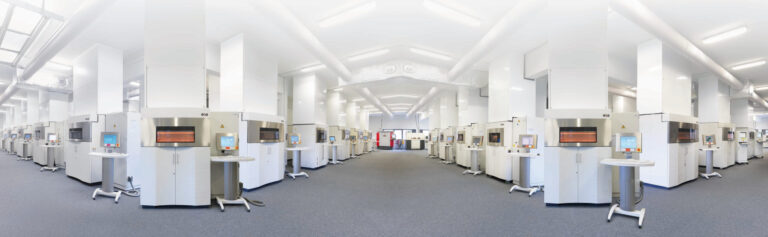
Leading automatic density determination technology innovator, Dimensionics Density, is delighted to announce that Germany’s largest full-service powder bed fusion (PBF) 3D printing bureau has just invested in the company’s technology, and will be using it to move towards the goal of a fully automated AM process chain for its customers.

Automation of the process chain in AM is crucial due to its potential to enhance efficiency, consistency, and scalability. By automating tasks such as part design optimization, slicing, material handling, printing, post-processing, and — through the use of automated density determination technologies — validation, manufacturers and sub-contract manufacturers like FKM can reduce human error, increase production speed, ensure higher precision, and maintain quality control. The streamlining of the entire workflow not only accelerates production but also facilitates the creation of complex geometries, reduces waste, and lowers costs, making AM more viable for various industries while maintaining product integrity and reproducibility.

Philipp Pruesse, Head of Sales at Dimensionics Density, says, “FKM’s investment in our density determination technology shows that leading players in the AM sector recognise the disruptive nature of our solution when it comes to quality control in real AM production environments. For AM to continue to disrupt the manufacturing paradigm, the entire AM process chain needs to move towards automation. Because of this, our density determination solutions are fully automated, and of vital importance, are designed to be used in busy production settings, not just in the laboratory. As we all know, AM stimulates design freedom as it is agnostic to part complexity. As geometric complexity increases, density determination of AM parts becomes more difficult using commonly used density determination technologies. Dimensionics Density’s solutions can easily determine the density of freeform parts and highly complex AM parts in production settings and can measure density repeatably to 0.001 g/cm3.”

Driven by innovation and close co-engineering with its customers, FKM has extensive AM experience to offer. The company covers the full AM process chain from design, powder characterization, parameter optimization, to an array of post-process activities like part colouring. Quality assurance is also of paramount importance, especially for customers for which parts produced are used in safety critical applications.

Stefan Behlert, Head of Quality at FKM says, “As more and more of our customers look to AM as a production technology, it is increasingly important for us to optimise an array of strict quality control processes, giving confidence in outcomes, and therefore cementing customer relationships. Considering the large number of build jobs and parts that we are producing every day, the need arises for a speedy and precise non-destructive density determination testing technology for AM. After studying the report on measurement methods for density determination in AM which was conducted by the Fraunhofer IAPT in Hamburg, we decided to assess Dimensionics Density’s technology. In order to verify the technology, Dimensionics Density offered free testing of samples and the calculation of an ROI according to the number of samples FKM aims to measure each year. Both delivered convincing results which led to an order of one machine for the quality laboratory at FKM.”

For FKM, the density determination machine has been customized, and will be able to measure not only the density of cubes but also tensile rods and even finished build jobs when not too large. This will allow FKM to streamline its quality assurance process and use employee time more efficiently on behalf of customers.

Pruesse concludes, “Automatic density determination of AM parts offers significant benefits to the utilization of 3D printing as a production technology as FKM has recognised. Our ground-breaking technology enables companies to validate significant volumes of production parts manufactured through AM by providing rapid and non-destructive quality assessment. By automating the measurement of part density, companies like FKM can ensure consistent material properties, identify defects or inconsistencies early in the production process, and maintain stringent quality standards. This capability not only reduces the need for manual inspection and testing but also enhances the reliability and confidence in using AM for volume production, ultimately accelerating time-to-market and optimizing overall manufacturing efficiency which as a company is our ultimate goal.”

www.dimensionics-density.com/additive

#modernplasticsindia #indianplasticmagazine #modernplasticsaward #plasticnews #modernplasticsgermany #ginujoseph #modernplastic #plasticindia  #plasticrecycling #sustainability #modernplasticsglobalnetwork #modernglobalnetwork #modernplasticsaward2023 #plasticmagazine #PlasticIndustry  #modernplasticsmiddleeast #indianmagazine #innovations #modernplasticsamerica #modernplasticsbangladesh #modernplasticsasia #modernplasticsitaly

Sauber Technologies Bets On S1 Shot Blast Machines From AM Solutions

Sauber Technologies Bets On S1 Shot Blast Machines From AM Solutions

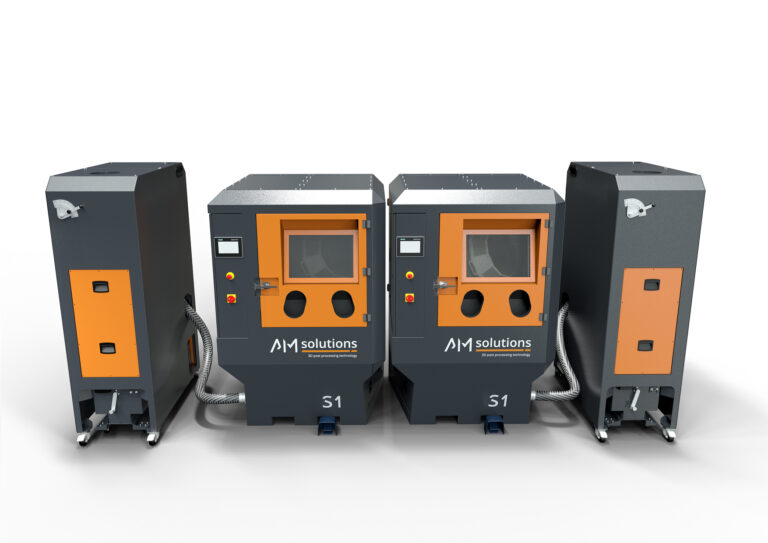
Since 2021 Sauber Technologies and AM Solutions – 3D post processing technology have been closely cooperating in the field of additive manufacturing. For post processing of 3D printed metal and plastic components Sauber is utilizing several machines supplied by AM Solutions. These highly efficient post processing units were specially adapted to the technical requirements at Sauber Technologies.

Sauber Technologies, known for its high-value 3D print solutions for formula 1 racing cars and other industries, has been successfully cooperating with AM Solutions – 3D post processing technology for several years. For example, about one year ago the company purchased a S1 shot blast system for post processing of HiPAC components produced with the SLS printing technology.  The S1 offers a significant technical advantage by performing the post process steps “cleaning” and “surface finishing” in one single machine with only one blast media. Vitor Sousa, team leader for additive manufacturing of plastic components at Sauber Technologies AG, explains: „Since the S1 system can handle multiple functions, it reminds us of a bit of the multi-functionality of a Swiss army knife. While in the past we had to manually rework and shot blast the printed components separately, today we only have to remove the finished parts from the S1 and visually inspect them. With an average batch size of 20 work pieces we save at least two hours of valuable time per post process cycle.”  The S1 produces not only very consistent and excellent results but handles the components very gently. The latter is especially important when extremely delicate components with complex shapes must be processed.


Polystyrol offers numerous benefits

The blast media used in the S1 post processing system is made from polystyrol. Vitor Sousa continuous: „In the past we used glass beads, which were less expensive. But because of their high wear-rate they had a considerable shorter life span. The polystyrol media offers a 15 times higher usable life resulting in significantly lower operating costs. An additional benefit is that compared to glass beads the polystyrol media creates more attractive and shiny surface finishes. In addition, we do not have to change the blast media for the process steps “cleaning” and “surface finishing.” And the risk of media contamination by using two different media has been completely eliminated.” The high uptime of the blast media is ensured by a sophisticated media cleaning and recycling system integrated into the S1. The optimal tuning of the filter units, cyclone and media screen guarantees the reliable separation of residual powder from the blast media. The media cleaning and recycling system also reduces the amount of waste and makes the entire process more sustainable. Finally, with its lower abrasivity the polystyrol media produces a higher uptime of critical equipment components and thus simplifies maintenance and reduces the operating costs.

A custom-engineered solution for the customer

„Because in our production area space is very tight, the standard S1 system was too big to fit into our setup. Therefore, we needed a solution with a lower footprint”, explains Mr. Sousa. To meet this challenge AM Solutions – 3D post processing technology modified the S1 concept by creating a mobile dust collector. Such engineering flexibility is possible, because AM Solutions develops and produces its equipment in-house at its Untermerzbach location in Germany. The company developed another special space-saving version of the S1 for the treatment of white SLS material at Sauber Technologies. By processing the white SLS and the black HiPAC components in separate machines the risk of discoloration was completely eliminated. Mr. Sousa concludes: „With AM Solutions we have a partner who offers not only standard equipment but who perfectly understands our requirements and provides us with tailormade solutions. “On the basis of this highly successful technological partnership other engineering developments are already on the drawing board.

The S1 is available to see in AM Solutions’ Customer Experience Centre (CEC) in Knowsley, U.K. The CEC has been set up to enable customers to come along, see what technology options AM Solutions has for the finishing of both plastic and metal AM parts, and to discuss with the experienced team what solutions are best suited to particular products.

https://www.solutions-for-am.com/en

#modernplasticsindia #indianplasticmagazine #modernplasticsaward #plasticnews #modernplasticsgermany #ginujoseph #modernplastic #plasticindia  #plasticrecycling #sustainability #modernplasticsglobalnetwork #modernglobalnetwork #modernplasticsaward2023 #plasticmagazine #PlasticIndustry  #modernplasticsmiddleeast #indianmagazine #innovations #modernplasticsamerica #modernplasticsbangladesh #modernplasticsasia #modernplasticsitaly

Chemical Recycling of Polycarbonates Reaches A Major Milestone

Chemical Recycling of Polycarbonates Reaches A Major Milestone

  •  Robust process developed on a laboratory scale.
  • Pilot-scale technical implementation starts.
  • Recycled monomer can be used for the production of polycarbonate.

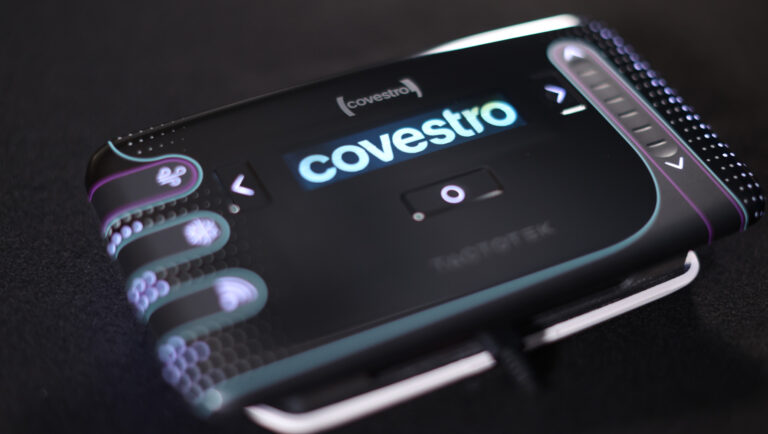
Covestro has developed an innovative process for recycling polycarbonate, i.e. polychain plastics. In this process, plastics are converted back into their monomers, a precursor of plastics, so that they can be fed back into the production process as alternative raw materials. At Covestro in Leverkusen, the technical implementation of chemical recycling is now beginning on a pilot scale. On the way to industrial scale, the process is still being optimized and is undergoing further development stages.

“As a manufacturer of plastics such as polycarbonate, we naturally have a responsibility in dealing with these important materials, including at the end of their product life. Our advantage is: we know how our products are designed and can therefore conduct targeted research into recycling solutions,” says Dr. Thorsten Dreier, Covestro’s Chief Technology Officer. “The chemical recycling of polycarbonate is another example with which our colleagues in development show that closed cycles are possible in the future. We need to use end-of-life plastics as a resource and reuse them as alternative raw materials to close the loop.”


The return of plastics through recycling replaces primary fossil raw materials in production. Comprehensive recycling thus contributes to climate neutrality and the protection of natural resources and the environment. Mechanical recycling of polycarbonate is already an important component of Covestro’s recycling strategy. The mechanical recycling process is used whenever waste streams are sufficiently pure and the recycled polycarbonate meets the requirements profile of the future application.

Chemical recycling works in a complementary way to mechanical recycling – it converts plastic building blocks back into monomers, i.e. their individual building blocks. These can be separated and serve as raw materials for future plastic. Chemical recycling can therefore make larger waste streams that are unsuitable for mechanical processes in particular accessible for recycling; it allows the production of plastics that meet the highest quality requirements. Covestro is therefore actively developing chemical recycling.

Chemolysis can directly close the polycarbonate cycle

The newly developed process, which was driven by an international team, is a specific chemolysis process adapted to polycarbonate. “Pre-sorted waste streams containing a product content of more than 50 percent polycarbonate can be recycled this way. This has been successfully demonstrated with various polycarbonate-containing plastic waste streams,” explains Markus Dugal, Head of Process Technology at Covestro. “With the help of this chemolysis, the cycle can be closed to a direct precursor of polycarbonate. This makes the recycling process very sustainable.”

 Direct use of recycled product as raw material possible

The recycled product, a precursor of polycarbonate, can be mass-balanced and reused as a raw material for the production of polycarbonate without further processing. “Such high-quality recycled raw materials are needed for applications that require top quality. These include, for example, applications in the automotive sector with special requirements in terms of safety, optical transparency or aesthetics, and products in our everyday lives such as consumer electronics,” says Lily Wang, Head of the Engineering Plastics Business Entity.

Millions of euros will be invested

Following successful development in the laboratory, the next stage of development, the technical implementation of a continuous process, has already started. A pilot plant, which is currently in the planning stage, will be used to gather the experience needed for further expansion to industrial scale. Millions of euros will be invested in this over the next few years. The pilot plant will be built in Leverkusen, Germany.

At the same time, Covestro is driving forward further processes for innovative recycling of polycarbonate in its research laboratories. These include chemolytic alternatives, recycling with enzymes that break down the plastic, and smart pyrolysis. Promising alternatives can also be tested with the pilot plant.

Plastics are key to sustainable growth and a green future. To ensure that plastic products do not become waste at the end of their life, they must be reused as alternative raw materials. Innovative recycling is one of the four fields Covestro is actively driving forward on the road to a circular economy. Covestro is therefore stepping up its research into recycling methods, with an open approach to technology, and promoting innovative approaches such as chemical recycling.

https://www.covestro.com/

#modernplasticsindia #indianplasticmagazine #modernplasticsaward #plasticnews #modernplasticsgermany #ginujoseph #modernplastic #plasticindia  #plasticrecycling #sustainability #modernplasticsglobalnetwork #modernglobalnetwork #modernplasticsaward2023 #plasticmagazine #PlasticIndustry  #modernplasticsmiddleeast #indianmagazine #innovations #modernplasticsamerica #modernplasticsbangladesh #modernplasticsasia #modernplasticsitaly

Winners Revealed At 3rd GPCA Responsible Care Excellence Awards

Winners Revealed At 3rd GPCA Responsible Care Excellence Awards

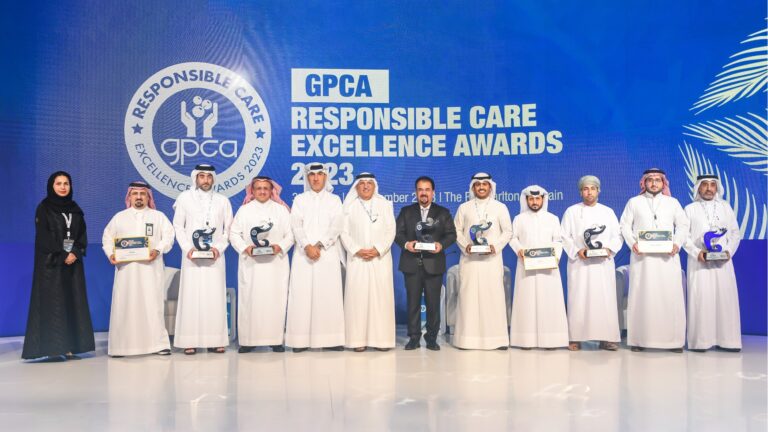
The Gulf Petrochemicals and Chemicals Association (GPCA), the voice of the chemical industry in the Arabian Gulf, has announced the winners of the 3rd GPCA Responsible Care Excellence Awards, which took place on the sidelines of the 5th GPCA Responsible Care Conference on 6 September 2023 in the Ritz-Carlton, Manama, Bahrain.

The awards enjoyed an excellent engagement, attracting 82 entries in six brand new categories covering Performance Metrics (Operational Excellence), Process Safety, Sustainable Environmental Protection, Rising Star Award, Community Awareness, and Responsible Partner.

OQ won in the ‘Performance Metrics (Operational Excellence) Award’ category, while SABIC was announced as the runner up.

SABIC won the ‘Process Safety Award’ for its Process Safety Competency Development Program (PSCDP), and Petro Rabigh came in second for its Tier 3 Loss of Primary Containment (LOPC) Dashboard.

Sadara scooped the ‘Sustainable Environmental Protection Award’ for its Sustainable Energy

Waste Heat Recovery project, while QAPCO was selected by the judges as a runner up in this category for its Waste Reduction and Management Near Zero Liquid Discharge (NZLD) project.

The ‘Community Awareness Award’ was bestowed upon GPIC for its Environment Lectures and Research Program (Community Engagement and Partnerships), while Ma’aden won second place for its Schools of Excellence.

Fatima Al Abdulghani from QAPCO and Mohammad Mnahi Almutairi from PIC won joint first place in the ‘Rising Star Award’ category. The Rising Star Award, dedicated to GPCA full members, is aimed at encouraging a young employee who has demonstrated exceptional creative performance in EHS&S to enter the Awards and gain recognition.

Commenting on the Awards, Dr. Abdulwahab Al Sadoun, Secretary General, GPCA, said: “This year’s GPCA Responsible Care Excellence Awards demonstrated huge success in collaboration and EHS&S improvement projects across the chemical industry in the region. The participating companies and individuals demonstrated great commitment to EHS&S and Responsible Care, which was evident across all entries in 2023. I take this opportunity to congratulate all winners, runners-up, as well as everyone who entered the awards for their great work and dedication to driving excellence across environment, health, safety, security, and the environment.”

Now in their 3rd edition, the GPCA Responsible Care Excellence Awards were established to share practical, evidence-based initiatives. The Awards serve as the mechanism to recognize outstanding EHS&S performance across GPCA member companies in the region and raise EHS&S standards.

https://www.gpca.org.ae/

#modernplasticsindia #indianplasticmagazine #modernplasticsaward #plasticnews #modernplasticsgermany #ginujoseph #modernplastic #plasticindia  #plasticrecycling #sustainability #modernplasticsglobalnetwork #modernglobalnetwork #modernplasticsaward2023 #plasticmagazine #PlasticIndustry  #modernplasticsmiddleeast #indianmagazine #innovations #modernplasticsamerica #modernplasticsbangladesh #modernplasticsasia #modernplasticsitaly