18.4 C
Korea
Sunday, July 12, 2026
Home Blog Page 109

Interrogating Your Micro Molding Supplier To Ensure Optimized Outcomes

Interrogating Your Micro Molding Supplier To Ensure Optimized Outcomes

Paul Runyan, VP of Sales, Accumold

In today’s ever-evolving technological landscape, the demand for precision-engineered micro molded parts has skyrocketed. From medical devices to electronics, industries seek micro parts that are consistent in quality and can be produced in large volumes. However, with the growth in demand, there’s a parallel increase in micro molding companies, making the selection process for customers quite challenging. To ensure you’re partnering with a company proficient in delivering volume and repeatability, here are some essential questions you need to pose.

What is your experience in micro molding?

 Micro molding transcends the simple notion of miniaturization. It embodies the art of achieving impeccable precision and navigating the inherent complexities of creating minute components. A company seasoned in this field will inherently possess a deep-rooted understanding of the nuanced challenges and subtleties that the micro molding process presents, ensuring they produce components that meet the highest standards of quality and functionality.  Core assets to look for with any micro molder are an integrated tooling department (do they manufacture their own tools?); experience with the micro molding press of their choice (do they have the right equipment and experience level to operate the technology?); and thirdly the quality equipment and know how to prove the micro component is in specification (can they prove capability in production and hold the micro tolerances on the print?)  These are the three key aspects of traditional micro molding so any lack of confidence in these areas may cause problems when you reach the commercialization period of a project.

What materials do you specialize in, and what are their shrinkage rates?

 Material shrinkage during molding varies depending on the specific material used. Grasping these differential shrinkage rates is fundamental in the manufacturing process, as it directly impacts the dimensional precision of the final product. The divergence in shrinkage rates poses a significant challenge for manufacturers, especially in the realm of micro molding where precision is paramount. Accurately predicting and understanding these rates is not just a matter of technical knowledge; it’s a prerequisite for achieving the desired dimensions and tolerances in the final product. A slight deviation, even in the micrometers range, can render a part useless or incompatible for its intended application. Therefore, a deep comprehension of material-specific shrinkage rates is a cornerstone of ensuring that the final micro-molded product is dimensionally accurate, fit for purpose, and meets the rigorous standards of quality and precision.

An innate understanding and experience of working with as big a library of thermoplastic resins as possible is vital for a micro molder to offer an optimal service. This experience means that the micro molder is able to ask you the right questions to ensure the correct material is used. For example, what environmental conditions will the part need to operate under? Does it need to withstand solder reflow temperatures or other high-heat situations? Does it touch the human body or other bio-materials? Are there lubricity or hydroscopic properties to include or exclude?

Can you provide references or case studies from previous projects?

 Assessing a company’s track record offers invaluable insights into their proficiency and reliability. Historically, the way a company has executed its projects can often serve as a trustworthy predictor of its ability to deliver in the future. By scrutinizing their past endeavors, one can ascertain the firm’s expertise and aptitude in managing comparable tasks, allowing for an informed decision-making process when selecting a potential partner or vendor for new micro molding projects.  Most micro moulding companies will publish white papers on their website and many will have examples of prior legacy parts that show the micro scale and tight tolerances on their website.  Ask your short-listed micro molder whether they can get close to fulfilling the following.

  • Parts up to 1/2” (13mm) in the largest dimension.
  • Small parts around 800µm (0.031”) x 300µm (0.012”) x 380µm (0.015”).
  • Thin wall sections near .004” (.1mm).
  • Feature aspect ratios around 6:1.
  • Part volumes 0.005”3 (0.08 cm3) or less.
  • Gate size as small as 0.004” (0.1mm).
  • Ejector pins as small as 0.010” (0.254mm).
  • Full understanding of gate and ejection location.
  • Full understanding of effect material selection can have on fill and definition of features.

How do you ensure repeatability in production?

Repeatability stands as a fundamental pillar in the realm of micro molding. It’s not just about crafting intricate components but ensuring that every single piece, even in high-volume production runs, meets the same exacting standards of quality and precision. Such consistency safeguards the reliability of the products, emphasizing the importance of meticulous process control in micro molding projects.

What quality control measures do you have in place?

In the precise domain of micro molding, rigorous quality checks cannot be overemphasized. Given the minute scale and the demand for exactness, any minor oversight can lead to significant product discrepancies. Thus, it’s imperative for companies to have a robust quality assurance system in place, ensuring that every micro-molded component aligns perfectly with the set specifications and standards, guaranteeing reliability and excellence in every production run.   Micro mold quality assurance begins at the start of each project with design for manufacturability (DfM) reviews to ensure the project is off on the right foot. Then, early in the production process, it is important scrutinize production quality and the robust nature of the process and verify the plan for inspecting and measuring outcomes.  From there, its important to develop control plans that address critical features, FMEA results, and other quality requirements. Most experienced micro molders are able to use high-tech and low-tech measurements, and precision gage pins or high-resolution in-line vision systems as necessary. It is also important to use high magnification microscopic measurements to verify tool and finished part dimensions.  Proper product handling is also a necessary consideration in quality assurance. Surface contamination can be a nuisance – or a catastrophe – for delicate component features. For these types of parts, automation and clean room molding options are recommended.

How do you handle mold design and validation?

The efficacy of the mold design and its validation process is pivotal in determining the quality of the final micro-molded product. An optimized and streamlined design process not only guarantees superior outcomes but also offers the dual benefits of cost efficiency and swifter turnaround times. Companies that invest in refining these processes are better positioned to deliver high-quality products while achieving operational savings and timely deliveries.

What is your production capacity and lead time?

Ensuring a company’s capability to meet specific volume demands and adhere to set timelines is paramount in a production partnership. This not only reflects their operational efficiency but also their commitment to client satisfaction. By verifying these capabilities upfront, one can establish a foundation for a reliable and seamless collaboration, minimizing potential disruptions and guaranteeing timely product deliveries.  Most customers look for scale – can my suppliers meet my production demands and hold the required tolerances?;  capability— does my micro molder have the assets in place to be successful in micro in size, micro in tolerance, and/or micro featured parts; sustainability – will my supplier be viable long term with a strong balance sheet.

How do you manage tool maintenance and longevity?

Consistent maintenance of molds is a critical step in ensuring their prolonged usability and efficiency. By upkeeping the molds, companies can assure that the quality of the products remains consistent over time. Additionally, this diligent approach helps in preempting and minimizing sudden production disruptions. In essence, regular mold maintenance serves as a safeguard against compromised product quality and unplanned production halts, ensuring a smooth and dependable manufacturing process.

Do you offer any post-molding services like assembly or packaging?

In the intricate world of micro molding, ensuring a company’s capabilities and expertise is paramount for clients who require high-volume and repeatable production. While the molding process itself is essential, what happens after the molding can significantly influence the quality and reliability of the final product. For prospective customers of micro molding companies, it’s vital to inquire about post-molding services. Depending on the precise needs of a project, these subsequent services can be the defining factor in achieving the desired specifications and finish for micro molded parts. As such, customers should prioritize asking detailed questions about a company’s post-molding procedures and capabilities to guarantee that the end product not only meets the set standards but is also delivered consistently across large batches.

How do you address unforeseen challenges during production?

The realm of micro molding, given its intricate nature, often presents unpredictable challenges. The minute dimensions and precision required can lead to unexpected complexities during the production process. In such a nuanced field, the true measure of a micro molding company isn’t just in its ability to produce but also in its capacity to swiftly adapt and address these unforeseen challenges. As customers navigate the market, they should recognize that a company’s adaptability and proactive problem-solving approach can significantly set it apart from competitors, making it a crucial differentiator when selecting a reliable partner in micro molding.

Do you have any certifications relevant to my industry?

In industries where precision and compliance are paramount, such as healthcare, the importance of certifications cannot be overstated. These certifications serve as more than just badges of honor; they are tangible evidence that a company consistently meets and upholds industry-specific standards and practices. By obtaining and maintaining these credentials, a company signals its dedication to excellence and its commitment to delivering products or services that are safe, reliable, and of the highest quality. For stakeholders, certifications act as a reassuring benchmark, indicating that they are partnering with an entity that understands and respects the nuances and demands of their particular industry.  Companies should look for the following ISO standards when choosing a reputable micro molder.  ISO 13485, ISO 9001, and ISO 14001 certificates which should be updated with the certificate of registration effective date, expiration date, and certification number displayed on their website or available to be reviewed.

What technologies and machinery do you employ in the micro molding process?

In micro molding, the role of modern technology cannot be emphasized enough. Employing up-to-date technology not only elevates the overall quality of the molded products but also boosts efficiency, ensuring that projects are completed in a timely manner. Furthermore, the latest technological advancements play a pivotal role in guaranteeing repeatability — a critical factor when producing high-volume batches that must maintain consistent specifications. Thus, for companies or individuals seeking a partner in the micro molding industry, the adoption and application of contemporary technology or the bespoke in-house development of cutting edge technology solutions by a firm stands as a key indicator of its ability to deliver superior and consistent results.

How do you handle design changes or iterations during the project?

In the dynamic landscape of product development and manufacturing, design iterations are often an inevitable part of the journey. As such, a company’s ability to be flexible and swiftly accommodate these design changes becomes paramount. Such flexibility not only demonstrates a company’s commitment to customer satisfaction but also leads to significant savings in both time and resources. By pre-emptively addressing and integrating modifications, potential roadblocks are avoided, ensuring a smoother and more efficient production process. Therefore, when selecting a micro molding partner, it’s wise to prioritize those that showcase this adaptability, as it can greatly influence the overall success and cost-effectiveness of a project.

How do you stay updated with industry trends and technological advancements?

In today’s rapidly evolving business environment, a company’s commitment to continuous learning and adaptation becomes a hallmark of its long-term viability. Such companies don’t just rest on their past laurels; instead, they are in a relentless pursuit of knowledge, ensuring they remain at the forefront of industry trends and innovations. By fostering a culture of ongoing education and adaptability, they position themselves to offer solutions that are not only effective but also attuned to modern requirements and challenges. For clients and partners, collaborating with such forward-thinking entities often translates to better outcomes, innovative approaches, and a shared journey of growth and evolution.

SUMMARY

Finding the right micro molding company requires due diligence and a deep dive into their capabilities and methodologies. The answers to these questions will not only give you confidence in your partner but also ensure that your micro molded parts are of high quality, delivered on time, and produced repeatably. Remember, it’s not just about finding a vendor but forging a partnership for mutual success.

www.accu-mold.com

#modernplasticsindia #indianplasticmagazine #modernplasticsaward #plasticnews #modernplasticsgermany #ginujoseph #modernplastic #plasticindia  #plasticrecycling #sustainability #modernplasticsglobalnetwork #modernglobalnetwork #modernplasticsaward2023 #plasticmagazine #PlasticIndustry  #modernplasticsmiddleeast #indianmagazine #innovations #modernplasticsamerica #modernplasticsbangladesh #modernplasticsasia #modernplasticsitaly  #cortecadvertising.
KRAIBURG TPE Will Be Presenting A New THERMOLAST DW Series For Sanitary And Drinking Water Tubes And Hoses At Fakuma 2023

KRAIBURG TPE Will Be Presenting A New THERMOLAST DW Series For Sanitary And Drinking Water Tubes And Hoses At Fakuma 2023

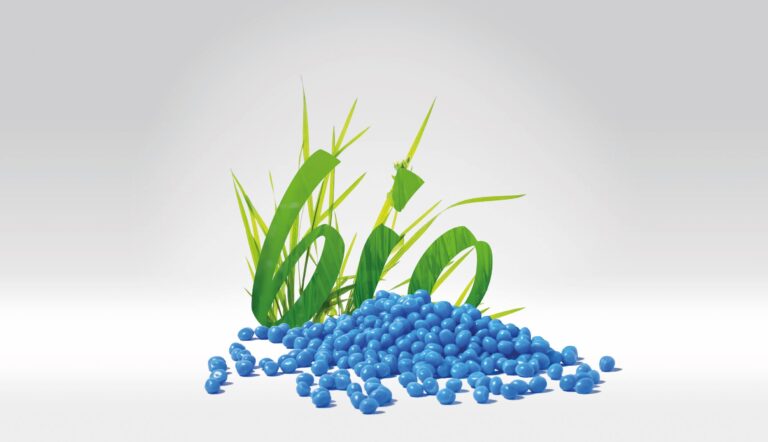
KRAIBURG TPE has launched a new series of thermoplastic elastomers (TPEs) for tubes and hoses used in sanitary and drinking water applications. These innovative products already meet the stricter evaluation criteria for plastics and other organic materials in contact with drinking water established by the German Environment Agency (KTW-BWGL standard), which will become binding for TPEs from March 2025. The compounds are characterized by easy processability and provide tubes and hoses with extremely smooth surfaces, considerably improved mechanical properties and excellent kink resistance. The new compounds will be presented at Fakuma 2023.

 Since March 2022 and with a transition period of three years, the updated evaluation criteria for plastics and other organic materials in contact with drinking water set up by the German Environment Agency (KTW-BWGL standard) have also applied to TPEs. The contact layer in tubes and hoses used for drinking water supply in household appliances such as dishwashers will accordingly have to meet these requirements from March 2025, too.

“With our new THERMOLAST DW/H2 series, we are supporting customers who supply the market for sanitary and drinking water tubes and hoses in their effort to meet the stricter KTW-BWGL standard. At the same time, we have set a considerably higher standard for the performance of compliant TPE compounds,” says Hartmut Arheidt, Market Manager Industry at KRAIBURG TPE. “The innovative materials technology leads to tubes and hoses that have considerably improved tensile strength, tear resistance and elongation at break as well as excellent kink resistance.”

The unique new THERMOLAST DW generation replaces the products in the previous DW/H series and is currently available in six hardness grades, ranging from 70 Shore A to 40 Shore D (see table I). Easily processable on conventional extrusion lines for polyolefins, the compounds are suitable for efficient manufacturing of cold water and warm water tubes and hoses, providing up to 50% better mechanical properties and good adhesion to PP. At the same time, the TPE compounds also provide the necessary resistance to the growth of microorganisms in accordance with EN 16421 (formerly DVGW W270) due to their extremely smooth surfaces and have no impact on the odor, taste or clarity of water flowing through the tubes and hoses.

The THERMOLAST DW/H2 compounds expand the potential applications for TPEs in this market segment and are particularly suitable for shower tubes, pressure hoses and food hoses as well as for supply tubing in dishwashers and washing machines. They have been developed in close cooperation with customers.

“Test reports on compliance with the regulations of the new KTW-BWGL are also available to us,” adds Hartmut Arheidt. “They confirm that the materials are generally suitable. We can gladly provide materials for sampling inspections to customers and prospective customers and partners at any time.”

KRAIBURG TPE will be presenting the new THERMOLAST DW/H2 series at Fakuma 2023, held from 17 to 21 October in Friedrichshafen, at Booth B5-5303.

https://www.kraiburg-tpe.com/en

#modernplasticsindia #indianplasticmagazine #modernplasticsaward #plasticnews #modernplasticsgermany #ginujoseph #modernplastic #plasticindia  #plasticrecycling #sustainability #modernplasticsglobalnetwork #modernglobalnetwork #modernplasticsaward2023 #plasticmagazine #PlasticIndustry  #modernplasticsmiddleeast #indianmagazine #innovations #modernplasticsamerica #modernplasticsbangladesh #modernplasticsasia #modernplasticsitaly  #cortecadvertising.

Lively Industry Interest In Bangkok: Metal Trade Fair Quartet Hits The Road Together For The Second Time In Thailand

Lively Industry Interest In Bangkok: Metal Trade Fair Quartet Hits The Road Together For The Second Time In Thailand

More than 400 exhibitors from 30 countries presented their technological highlights at the leading regional trade fairs for the wire, cable and raw industries, wire and Tube Southeast Asia, which took place for the second time together with GIFA Southeast Asia and METEC Southeast Asia at BITEC in Bangkok from 20 to 22 September 2023.

Joint participations from six countries complemented the line-up with their national pavilions.

wire and Tube Southeast Asia are regarded in Thailand as leading regional information and trade platforms for their industries. Over 80% of the 245 exhibiting companies were international.

wire Southeast Asia showcased machinery and equipment for wire production, wire processing and wire finishing, accessories, measuring, control and testing technology as well as new and further developed special wires and cables. Machines and technologies from the fields of tube manufacturing, tube processing and tube finishing complete the range of products at Tube Southeast Asia.

7,400 trade fair visitors, around 30 % of them international, came to Bangkok to find out about industry trends at all four trade fairs and to expand their business relationships.

The visitors were manufacturers, buyers and suppliers from the wire, cable, tube, foundry and metallurgy industries, as well as from the automotive, oil and gas, construction, energy, building and electrical industries.

From 17 to 19 September 2025, wire and Tube Southeast Asia will once again join forces with GIFA and METEC Southeast Asia in Bangkok.

https://www.wire-tradefair.com/

#modernplasticsindia #indianplasticmagazine #modernplasticsaward #plasticnews #modernplasticsgermany #ginujoseph #modernplastic #plasticindia  #plasticrecycling #sustainability #modernplasticsglobalnetwork #modernglobalnetwork #modernplasticsaward2023 #plasticmagazine #PlasticIndustry  #modernplasticsmiddleeast #indianmagazine #innovations #modernplasticsamerica #modernplasticsbangladesh #modernplasticsasia #modernplasticsitaly  #cortecadvertising.
How Do We Reach New Heights With Digital Print In Corrugated Packaging?

How Do We Reach New Heights With Digital Print In Corrugated Packaging?

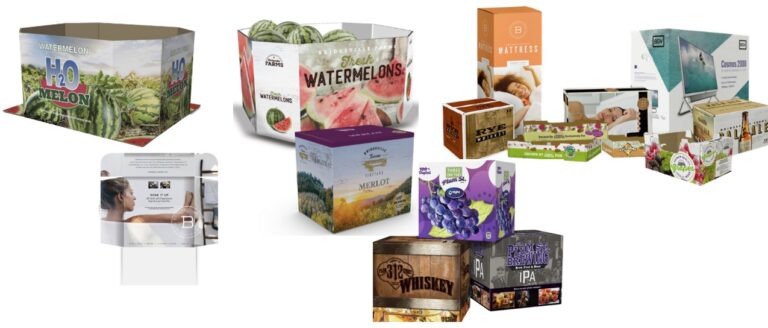
Digital print has been promising broad transformation in corrugated for a long time. Significant progress has been made, but digital print today still only represents and addresses a small subset of corrugated print needs. New approaches are needed to broaden the reach and value of digitally printed corrugated packaging.

Digital print transformation in the corrugated industry has been a promise waiting to happen for many, many years. Part of the reason for the delay could be the industry has been perceived as having one monolithic set of needs and digital print has been promoted as one generic solution to fit all of those needs. However, all corrugated needs and digital print solutions are not the same.

The reality is much more nuanced. Indeed, there has been some progress in several use cases and sub-markets including high quality graphics, samples, mock-ups, displays, short-run, large format, double-sided print, and supply chain efficiency including turn-around time, but there are still a few other use cases like personalization and variable data that haven’t yielded transformation. Regardless, digital print still only addresses a fraction of the overall market for printed corrugated packaging. For this to change, we must ask “why” and eventually address the many gaps that exist today with the overall solution set.

As suggested, the various digital print capabilities are nuanced. Digital print solutions generally do not adequately address all substrate, board combinations, and form factors. Special requirements of the printed product like ink holdout, color, overprint varnish, coefficient of friction, durability, and gluability all play a part in what can or cannot be done by any given digital print solution. Specific press limitations might mean something can be done in limited quantities or certain situations but cannot be done at scale and remain cost effective.

Digital print was and still is supposed to simplify, streamline, and accelerate the overall graphics, print process, and product development for the corrugated industry. Digital print in corrugated has been most successful in areas in need of disruption including samples, mock-ups, displays, and ultra short runs. However, to get at the bulk of the market, digital needs to contend with what analog printing does well day-in and day-out.

It has been incrementally fine-tuned to provide the quality, productivity, reliability, equipment life expectancy, and cost structure that the market recognizes today. Different production workflows have evolved to meet various product requirements with different levels of efficiency. Digital print must do something better or different to provide more value than analog.

Finally, digital printing must consider the macro trends and what the needs of tomorrow will be. These macro trend requirements include fast turnaround, short run lengths – for many different reasons – supply chain efficiency, eCommerce, lightweighting, sustainability, and automation that could make digital solutions more compelling in the future.

The predominant issue with digital print is the production costs for a given run length compared to the analog alternative. For digital to win more broadly, it must look beyond just consumables cost and look at reducing overall value chain costs including running costs, maintenance, capital, useful life, and any other steps or parts that can be streamlined. Digital print, in general, has a big problem with amortization of the overall solutions supporting capital and infrastructure required. Certainly, for parts of the market already identified, digital print can work and add value. However, to get at the larger volume of work, digital must either add new value and/or improve cost structure to compete with optimized analog processes.

It is encouraging to see there is a next generation of solutions being developed that will hopefully help make some of the necessary improvements to expand the segments of the market where digital can add value. With these solutions, they are addressing the broader value chain, reducing steps, and improving overall economics rather than just addressing print.

For those of us who have been championing digital print and what is possible to transform the corrugated industry, the pace of progress is both encouraging and disappointing. There are pockets of great success, but there is also a lot of work to do to get us to the full transformation that all members of the value chain need. These improvements and new solutions cannot get here fast enough. It will be exciting to see what is announced and shown at drupa 2024 to further drive the industry’s digital transformation.

https://www.drupa.com/

#modernplasticsindia #indianplasticmagazine #modernplasticsaward #plasticnews #modernplasticsgermany #ginujoseph #modernplastic #plasticindia  #plasticrecycling #sustainability #modernplasticsglobalnetwork #modernglobalnetwork #modernplasticsaward2023 #plasticmagazine #PlasticIndustry  #modernplasticsmiddleeast #indianmagazine #innovations #modernplasticsamerica #modernplasticsbangladesh #modernplasticsasia #modernplasticsitaly  #cortecadvertising.

Packaging Specialist Alpla Launches New Alplarecycling Brand

Packaging Specialist Alpla Launches New Alplarecycling Brand

The globally active ALPLA Group has been investing in building up its own recycling capacities since 2005. The plastic packaging company now operates 13 plants, including four joint ventures with regional partners, and aims to be processing at least 25 per cent post-consumer material (PCR) by 2025. After investing millions in new sites in South Africa, Romania and Thailand as well as in a site expansion in Poland, ALPLA is now consolidating all of its activities under the new brand ALPLArecycling.

ALPLA is focusing on mechanical recycling and has invested more than 50 million euros a year in the global expansion of its activities since 2021. Thanks to new plants, the expansion of existing facilities, joint ventures and strategic acquisitions, the annual installed and projected output capacity has since doubled to 350,000 tonnes of PCR material. Together with the construction of a new facility in South Africa as recently announced and the site expansion in Poland, the annual capacity amounts to 266,000 tonnes of rPET (recycled PET) and 84,000 tonnes of rHDPE (recycled HDPE).

About 1.100 ALPLA employees work on recycling. In addition to the production of high-quality rPET and rHDPE at 13 plants, including four joint ventures with regional partners, the company focuses on the development of sustainable packaging solutions with a high proportion of recycled materials, optimum recyclability and low weight. The growing importance of the recycling sector, strong expansion and increasing demand have now led to the establishment of the ALPLArecycling brand together with its own website. There, you will find comprehensive information about recycling at ALPLA, the products available and the locations of the recycling plants and joint ventures at a glance.

‘Every year, we are producing more high-quality, affordable and sustainable packaging from used packaging. With our own production, development and material optimisation, we ensure quality and quantity, while also strengthening regional and national recycling loops,’ emphasises ALPLA CEO Philipp Lehner. Recycling plastics reduces carbon consumption by up to 90 per cent, reduces waste and creates value and jobs at the sites.

‘Our many years of expertise and access to our own materials give our customers a competitive advantage. The new brand is a clear commitment to recycling and to our expansion plans in growth markets,’ explains Dietmar Marin, Managing Director of the Recycling division at ALPLA. In the coming years, the company will intensify its activities in areas such as southern Africa, the Middle East and the Asia-Pacific region. ‘Interest in sustainable packaging is growing all over the world. We are present as pioneers in all the regions of the world and are already a strong partner for future solutions,’ says Marin.

Recycling target: 25 per cent PCR material by 2025
ALPLA currently processes 20 per cent PCR material and aims to increase this to at least 25 per cent by 2025. In addition, all packaging solutions are to be fully recyclable by then. The company has been part of the New Plastics Economy, an initiative of the Ellen MacArthur Foundation, since 2018. ‘We firmly believe in plastic as a recyclable material and in the success of closed bottle-to-bottle loops. With our commitment, we want to create infrastructure in as many countries as possible, raise awareness and thus generate added value for the environment, economy and society,’ says Günther Lehner, Chairman of the Company Advisory Board.

https://blog.alpla.com/en/company-economy

#modernplasticsindia #indianplasticmagazine #modernplasticsaward #plasticnews #modernplasticsgermany #ginujoseph #modernplastic #plasticindia  #plasticrecycling #sustainability #modernplasticsglobalnetwork #modernglobalnetwork #modernplasticsaward2023 #plasticmagazine #PlasticIndustry  #modernplasticsmiddleeast #indianmagazine #innovations #modernplasticsamerica #modernplasticsbangladesh #modernplasticsasia #modernplasticsitaly  #cortecadvertising.
Milliken & Company Brings Plastic Additive Portfolio to ArabPlast 2023

Milliken & Company Brings Plastic Additive Portfolio to ArabPlast 2023

Ghent, Belgium — Milliken & Company, a diversified global manufacturer with specialty chemicals expertise, will showcase a range of transformative solutions that enhance the plastics circular economy at ArabPlast 2023. On display 13-15 December at stand 3B154, Milliken’s team will present its leading additives that enable and support a new future for plastics production with holistic benefits across the entire value chain.

Fortified and enhanced by Milliken’s innovative portfolio, plastics can take on performance-driven characteristics like increased clarity and strength and improved recyclability and emissions reductions, while supporting inter-material replacement opportunities and enabling recycled content utilization during production. Brands and manufacturers can also harness tangible gains from utilizing Milliken’s additive portfolio that help advance their own sustainability goals and metrics. These benefits align with Milliken’s enterprise-wide sustainability goals, including contributing to plastics end-of-life solutions, and reinforce Milliken’s path to achieving its SBTi-verified near- and long-term net-zero targetsSBTi-verified near- and long-term net-zero targets.

“As experts in the field of additive and colorant technologies, Milliken is uniquely positioned to help further the circular economy for plastics with a range of solutions that promote reduction, reuse, recycling and replacement strategies—solutions that very much align with Milliken’s overarching sustainability commitment,” shared Wim Van De Velde, global vice president of plastic additives for Milliken.

ArabPlast attendees can explore Milliken’s leading clarifier, modifier and additive products, including:

  • Millad NX 8000 ECO, a clarifying agent for polypropylene (PP) that boosts clarity, enables faster production rates and reduces energy use. This product is certified by Underwriters Laboratories (UL) to provide average energy savings of 10% for the production of injection molded clarified PP parts.
  • Hyperform HPN, performance additives for PP, deliver an improved balance in stiffness and impact-resistant properties while reducing energy use. The Hyperform line is certified by UL to enable 5% to 8% energy savings when this product is used as a nucleator when producing thin-wall injection-molded PP container lids and similar PP applications.
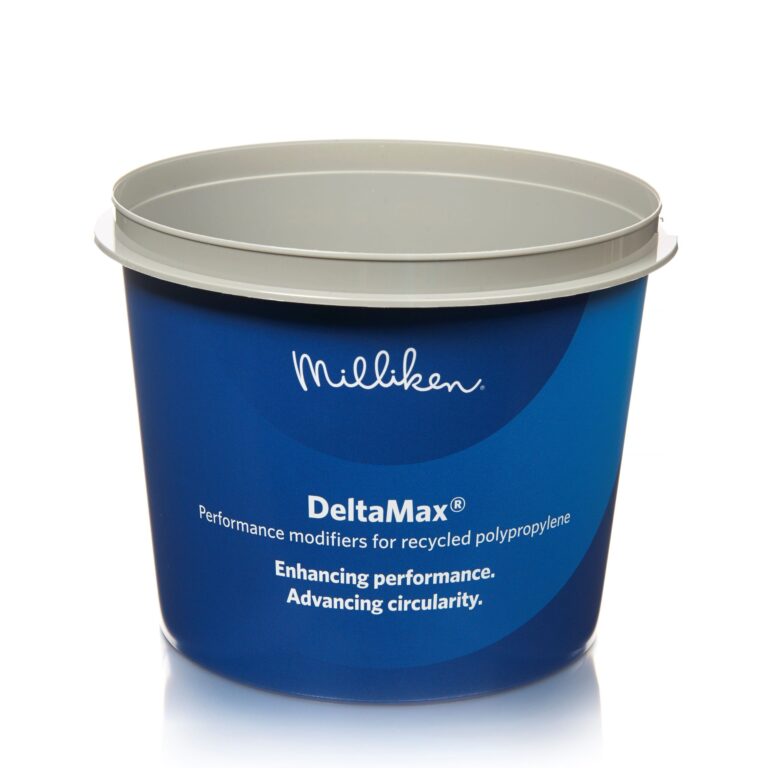
  • DeltaMax, performance modifiers for virgin and recycled PP, is unique in its ability to balance melt flow, impact strength, and stiffness to increase overall performance. DeltaMax helps converters reduce energy by running machines with faster cycle times or lower temperatures.
  • DeltaFlow Viscosity Modifiers are solid concentrates designed to specifically help PP recyclers by increasing the melt flow rate of recycled polypropylene (rPP) for extrusion and injection molding processes.
  • UltraGuard Solutions are concentrates that improve barrier properties in polyethylene (PE) to enable downgauging for reduced material usage and part weight, allowing designers to create more mono-material products to improve end-stage recyclability.

“We are a technology leader in the plastics ecosystem,” added Van de Velde. “But we understand the importance of collaboration to achieve critical sustainability milestones, which is why we’re working within the industry to envision the future of circular plastics.”

Milliken will also preview purposeful partnerships that are accelerating the plastics circularity conversation. From customer-level collaborations aimed at exploring carbon emission reductions or inter-material replacement solutions to expansive industry partnerships, like PureCycle and Holy Grail 2.0, Milliken contributes to meaningful and impactful projects in the industry. Its dual-prong focus on technical innovation and purposeful collaboration illustrates the value Milliken can have within the plastics ecosystem.

https://www.milliken.com/en-gb/businesses/chemical

#modernplasticsindia #indianplasticmagazine #modernplasticsaward #plasticnews #modernplasticsgermany #ginujoseph #modernplastic #plasticindia  #plasticrecycling #sustainability #modernplasticsglobalnetwork #modernglobalnetwork #modernplasticsaward2023 #plasticmagazine #PlasticIndustry  #modernplasticsmiddleeast #indianmagazine #innovations #modernplasticsamerica #modernplasticsbangladesh #modernplasticsasia #modernplasticsitaly.

Recycling Pioneer Lindner Expanding into France

Recycling Pioneer Lindner Expanding into France

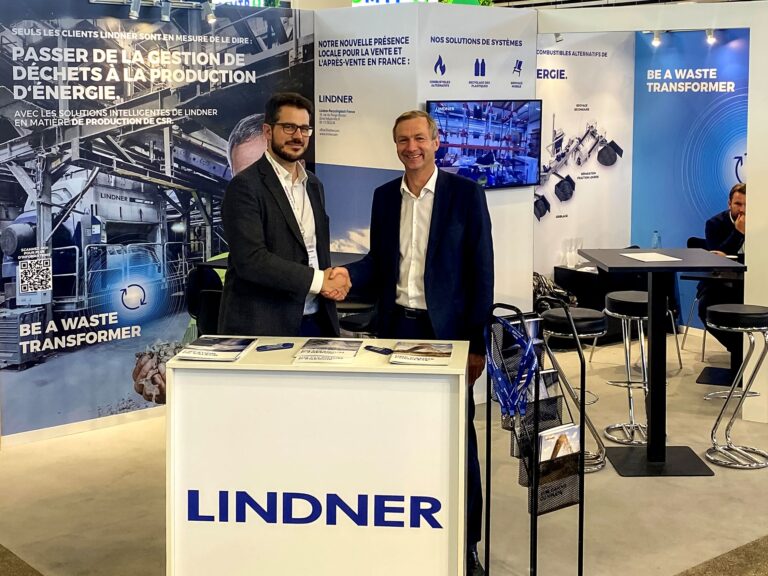
Lindner, renowned manufacturer of recycling solutions, continues its expansion course. By establishing Lindner France with Croupe Cimme, the company wants to get closer to its customers and strengthen its position on the French recycling market at the same time.

Make the most of waste. True to this motto, Lindner has been serving customers in the recycling industry all over the world for 75 years. From plastics recycling to waste wood processing and the production of alternative fuels with high calorific value – Lindner recycling solutions and shredders efficiently process a wide range of different waste streams into reusable materials. For the recycling pioneer, the foundation of Lindner France constitutes an important strategic step in its history. Through increased local presence, Lindner wants to foster proximity to its customers and offer tailor-made solutions and excellent, first-hand service. “France is an important market for us. Setting up Lindner France is crucial if we want to look after our French customers even more efficiently and offer them even better service”, says Michael Lackner, Managing Director at Lindner.

“Thanks to our mobile shredders and our solutions for waste-to-energy and plastics recycling, we already have a strong presence on the French market. Through local contact points and service partners, we, as a brand manufacturer, also want to offer our customers the best possible service. That’s our declared goal.” Lindner and its subsidiary Lindner France are both present at the Pollutec 2023 in Lyon, the leading trade fair for environmental and energy solutions in France.

Lindner France employees are also in attendance, led by François Defrenne, President of Groupe Cimme and Managing Director of Lindner France, and Vincent Roger, Sales Director Lindner France. “With the foundation of Lindner France, we have reached an important milestone for increased customer proximity. “We are looking forward to a great cooperation and to the projects we can implement together in the future,” says François Defrenne.

https://www.lindner.com/

#modernplasticsindia #indianplasticmagazine #modernplasticsaward #plasticnews #modernplasticsgermany #ginujoseph #modernplastic #plasticindia  #plasticrecycling #sustainability #modernplasticsglobalnetwork #modernglobalnetwork #modernplasticsaward2023 #plasticmagazine #PlasticIndustry  #modernplasticsmiddleeast #indianmagazine #innovations #modernplasticsamerica #modernplasticsbangladesh #modernplasticsasia #modernplasticsitaly.

Coperion Compounding Technology for Current and Future Plastics Production Challenges

Coperion Compounding Technology for Current and Future Plastics Production Challenges

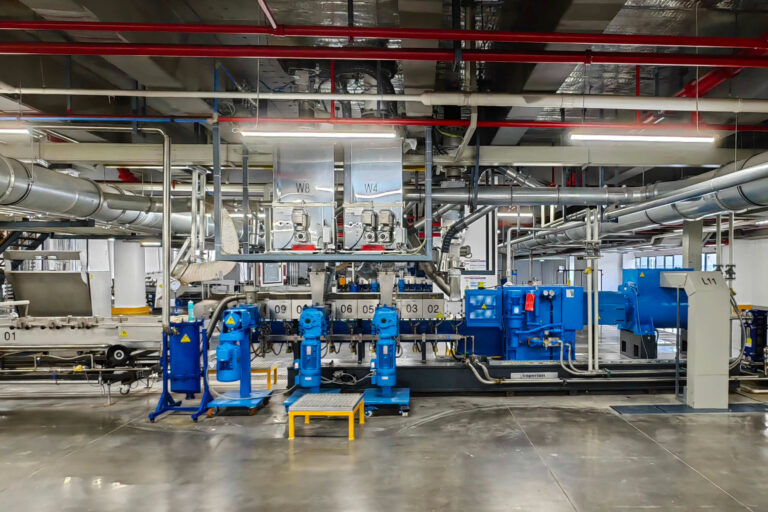
Chinese compounder Chuanghe new material technology Jiangsu Co., Ltd. is relying on the performance, reliability, and flexibility of Coperion extrusion systems for the expansion of its production capacity. This specialist in high-quality engineering plastics contracted with Coperion for ten STS Mc11 and ZSK Mc18 twin screw extruders. Most of these machines are already successfully in operation at the Chuanghe site in Yangzhou City, Jiangsu Province, PR China.

Chuanghe new material technology Jiangsu manufactures high-quality plastics for the automotive, household and electronics industries. Their products include various glass fiber reinforced engineering plastics as well as biodegradable plastics and even carbon-neutral produced plastics. The ten new compounding machines procured from long-established machine and plant specialist Coperion, headquartered in Germany, precisely fulfill the high demands that manufacturing such plastics places on production technology.

High-performance Coperion compounder for the greatest flexibility and reliability

Chuanghe is expanding its production with several compounding machines from Coperion in order to be able to act with greater flexibility in both small batch production as well as large quantity manufacturing. For this reason, Chuanghe has invested in six Coperion STS Mc11 twin screw extruders of various sizes – from the STS 25 Mc11 laboratory extruder with a 25 mm screw diameter to the STS 75 Mc11 with a diameter of 75 mm.

Moreover, Chuanghe has acquired four high-performance extruders from the Coperion ZSK series – two ZSK 58 Mc18 models with 58 mm screw diameter for PA throughputs of up to 800 kg/h as well as two ZSK 70 Mc18 with 70 mm screw diameter for PA throughputs up to 1,600 kg/h – specifically for large-batch manufacturing of demanding engineering plastics. These four ZSK Mc18 extruders stand out for their especially high specific torque of 18 Nm/cm³. Due to the material’s short residence time in the extruder, these machines operate extremely gently, achieving consistently high product quality. They are each equipped with ZS-B side feeders so that Chuanghe can exercise tremendous flexibility in compounding its plastics using various additives. All volatile components released from the plastic during production are securely degassed from the process using ZS-EG side degassing units – yet another indicator of reliable, first-class product quality.

Visionary production expansion that promises success

This expansion of its machinery optimally positions Chuanghe new material technology Jiangsu for future market demands. Thanks to constant process parameters across the entire model series, Coperion extruders allow for secure scale-up from one extruder size to another, which in this case gives Chuanghe complete flexibly to utilize its machinery to full capacity. Moreover, Coperion extruders’ modular design and numerous quick change features provide the flexibility necessary to implement quick recipe changes. At the same time, Coperion extruders possess the necessary prerequisites to be able to master future tasks in plastics compounding.

Joanne Shen, Managing Director of Coperion Nanjing, is very pleased: “We’re excited by the close working relationship with Chuanghe new material technology Jiangsu and we are gratified by the trust that Chuanghe has placed in us with this major order. We are proud to see how the installed machines are already demonstrating their high performance, reliability, and flexibility on a daily basis. We are certain that Chuanghe has paved the way for meeting future challenges with this expansion of their production capabilities. As a technology partner with comprehensive process expertise, we will continue to stand at Chuanghe’s side to support them closely along the way.”

www.coperion.com

#modernplasticsindia #indianplasticmagazine #modernplasticsaward #plasticnews #modernplasticsgermany #ginujoseph #modernplastic #plasticindia  #plasticrecycling #sustainability #modernplasticsglobalnetwork #modernglobalnetwork #modernplasticsaward2023 #plasticmagazine #PlasticIndustry  #modernplasticsmiddleeast #indianmagazine #innovations #modernplasticsamerica #modernplasticsbangladesh #modernplasticsasia #modernplasticsitaly #ineosstyrolution.

Approaching The Record Of 200,000 Sacks Per Day

Approaching The Record Of 200,000 Sacks Per Day

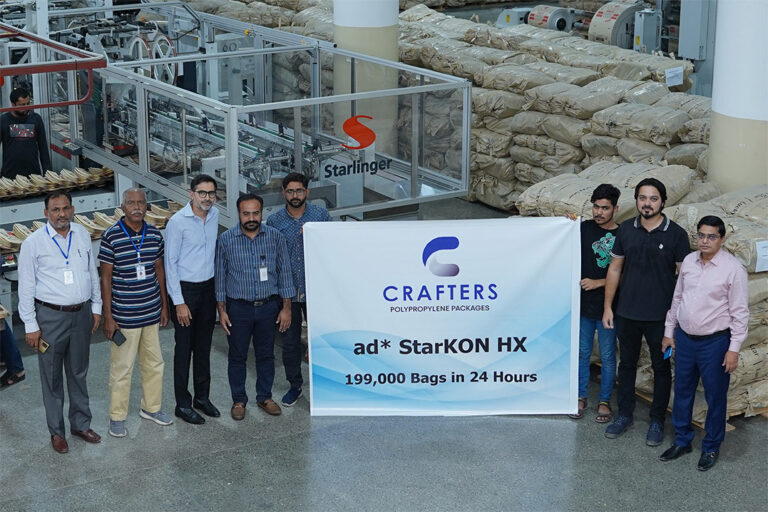
By producing 199,000 AD*STAR block bottom sacks in 24 hours on a single conversion line, Crafters Polypropylene Packages (PVT) Ltd. has achieved a production record that has never been reached before for this type of sack.

The woven plastic packaging producer, based in Karachi, Pakistan, installed two ad*starKON HX easy-open block bottom sack conversion lines from Starlinger & Co GmbH end of May 2023. Since the commissioning of the two lines, Crafters has been continuously ramping up production to meet the growing demand for AD*STAR sacks, a type of block bottom valve sack made of woven polypropylene tape fabric that is increasingly used worldwide for packaging dry bulk goods.

“It exceeded even our expectations when we counted the number of 199,000 produced sacks on the AD*STAR conversion line at the end of the day”, says Omair Rehman, Director of Crafters. “Such a high output is only possible due to the excellent production quality of the Starlinger equipment – from tape production to weaving, coating and printing up to sack conversion. Because of the uniform high quality of the PP fabric, the Starlinger conversion lines operate with high efficiency and minimum downtimes. There is hardly any interruption of production due to jammed fabric or other technical issues except the necessary brief stops such as roll change. In addition, maintenance work as well as sack format change on the conversion line are quick and easy”, he adds with satisfaction. The company currently produces a total of close to 400,000 AD*STAR sacks per day on the two Starlinger conversion lines.

The lightest and strongest sack on the market

Crafters supplies the AD*STAR sacks primarily to the cement industry, one of their main customers being Pakistan’s biggest cement producer Lucky Cement. With a sack weight of 65g for a filling volume of 50 kg, AD*STAR sacks are currently the most lightweight type of sacks on the market for dry bulk goods such as cement. The combination of low packaging weight and high strength is possible due to the woven structure of AD*STAR sacks. The tapes used for fabric production are made of polypropylene in a special extrusion process that includes stretching and annealing to achieve the special tape characteristics. After the weaving process on circular looms the produced fabric is coated and printed before it is converted to block bottom valve sacks.

“The process is well developed and standardised – you get the strongest sacks with the lowest possible weight”, explains David Grabenweger, AD*STAR Product Manager at Starlinger. “Compared to paper bags, for example, you save significant quantities of raw material. The strong and resistant PP fabric makes AD*STAR sacks tearproof and avoids sack breakage. This is a big advantage for cement filling companies as it helps to reduce cement loss due to broken sacks – a key factor which also contributes to the low overall CO2 footprint of AD*STAR sacks. In addition, they are a mono-material packaging and thus “designed for recycling”. We also succeeded in using high shares of recycled polypropylene in tape production without compromising the fabric strength and other important characteristics of the sacks. AD*STAR sacks are, in fact, one of the most sustainable types of packaging for dry bulk goods”, Grabenweger adds.

The sacks can be equipped with a variety of different options such as an easy-open closure, which Crafters is using for their AD*STAR sacks. For this, a special easy-open strip is welded onto the sack bottom that can be torn off to pour out the cement. It avoids the use of knives or other cutting devices and allows controlled emptying of the sacks.

https://www.starlinger.com/de/

#modernplasticsindia #indianplasticmagazine #modernplasticsaward #plasticnews #modernplasticsgermany #ginujoseph #modernplastic #plasticindia  #plasticrecycling #sustainability #modernplasticsglobalnetwork #modernglobalnetwork #modernplasticsaward2023 #plasticmagazine #PlasticIndustry  #modernplasticsmiddleeast #indianmagazine #innovations #modernplasticsamerica #modernplasticsbangladesh #modernplasticsasia #modernplasticsitaly.

Class of 2023 Receives Diplomas

Class of 2023 Receives Diplomas

First “Diplomado” Course In Mexico Completed

  • Theoretical and practical sections of first training course for qualified Mexican plastics personnel successfully completed.
  • A collaboration between the prestigious TEC de Monterrey University and Arburg.
  • 16 participants receive their Diploma degree.

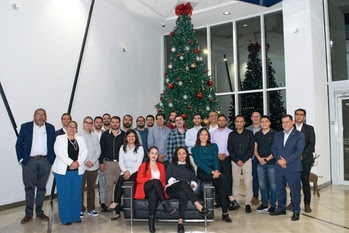
On 17 November, the final project presentation and graduation ceremony took place for the first 16 participants in the “Diplomado” training course for plastic injection Technologies in Mexico. Arburg offers this four-month further academic training course in conjunction with the renowned Instituto Tecnológico de Estudios Superiores Monterrey (TEC de Monterrey) as basic and advanced training for qualified Mexican personnel. Interested parties from the local plastics industry learn content that is practice-orientated and concise.

The participants from the first training year worked on four different projects, which also picked up on knowledge they had already acquired in areas like production efficiency, sustainability, bioplastics, improvement management, modernisation of plastics processing and digitalisation. Managers from Arburg’s Mexico branch and the GiTamsa Technical Innovation Centre in Querétaro came to give the learners feedback on their presentations along with recommendations and best practices they can implement directly in their respective companies.

“Diplomado” for plastics recognized by the Ministry of Public Education SEP

The goal is to establish the “Diplomado” training programme as a unique studying course focused on attaining theoretical and practical knowledge. As well as expertise in plastic injection moulding technology and processes, it is about training managers with a global business vision that enables them to assess and improve the profitability of proposed modernisation and digitalisation processes for their production. This content in particular is of crucial importance for the Mexican plastics industry, acting as it does as a “workbench for North America”.

Closing event at TEC de Monterrey

After the project presentations, the final event took place in the conference room. In their opening speeches to the successful students Carlos Ibarra, Director of Continuing Education at the TEC de Monterrey, as well as Managing Director Mario Rodríguez and Commercial Director Edgar Calderon of Arburg Mexico all paid tribute to the first generation of specialists who together constitute a change for the Mexican plastics industry. At the same time, they were encouraged to continue their professional development with the same determination. All the speakers also congratulated this first generation of “Diplomado” graduates for their enthusiasm, perseverance and outstanding performances. The TEC de Monterrey and Arburg also thanked the local companies that had been open to supporting this course, which will be the first of hopefully many.

Thereafter each of the successful graduates was awarded their professional certificate. The event concluded with a celebratory toast to the new plastics specialists.

https://www.arburg.com/en/

#modernplasticsindia #indianplasticmagazine #modernplasticsaward #plasticnews #modernplasticsgermany #ginujoseph #modernplastic #plasticindia  #plasticrecycling #sustainability #modernplasticsglobalnetwork #modernglobalnetwork #modernplasticsaward2023 #plasticmagazine #PlasticIndustry  #modernplasticsmiddleeast #indianmagazine #innovations #modernplasticsamerica #modernplasticsbangladesh #modernplasticsasia #modernplasticsitaly  #cortecadvertising