16.3 C
Korea
Sunday, July 12, 2026
Home Blog Page 97

The Rise Of Automation In Metal Am Post-Processing — Transforming The Industry With Precision And Efficiency

0

The Rise Of Automation In Metal Am Post-Processing — Transforming The Industry With Precision And Efficiency 

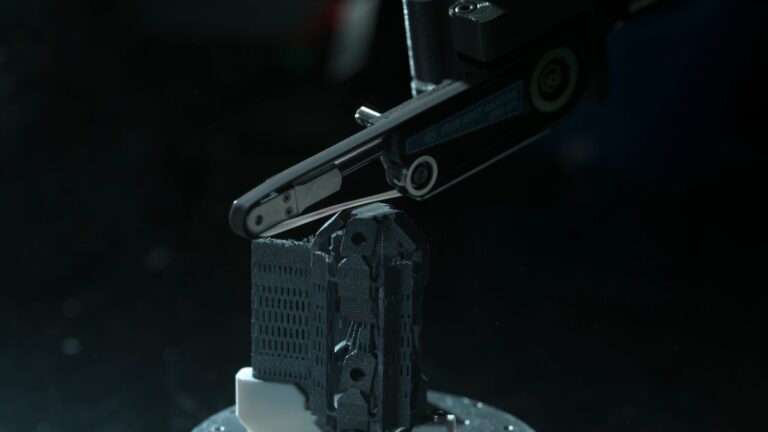
Across the continually evolving manufacturing landscape, the integration of automation solutions continues to move quickly. For metal Additive Manufacturing (AM) processes the same is true. However, the post processing of metal parts, which is critical for successful outcomes, has been largely overlooked causing serious bottlenecks in the process chain — until now. The automation of post processing heralds a significant increase in efficiency and precision, reshaping how industries approach production using AM. Metal AM has been a game-changer in producing complex parts and components but without automated solutions the post processing of these complex parts involves heavy manual, labour-intensive, and time-consuming tasks. Below, we delve into how automation in metal AM post processing is setting a new industry standard, and how companies like Rivelin Robotics are leading this change with their Netshape® Robots to unlock new productivity and efficiency gains.

The Current State of Metal AM Post-Processing

The conventional approach to metal AM post-processing is a multi-stage process that demands meticulous attention to detail and a highly skilled, steady hand. 

The process begins with the essential removal of support structures that are necessary during the printing phase but become redundant thereafter. These supports must be eliminated without compromising the integrity of the core component, which is no mean feat. Once the supports are detached, the surface finishing phase commences, where the objective is to achieve the desired surface smoothness and texture. This could involve a variety of techniques, from sanding and polishing to more advanced chemical or laser-based methods. Following this, heat treatments are often required to relieve stresses within the material and improve its mechanical properties, ensuring that the part will perform reliably in its intended application. Last but not least, rigorous quality inspections are conducted to validate the precision and reliability of the final product. 

Each step in this process not only requires a high degree of technical skill but also introduces opportunities for human error, potentially leading to variations in quality and performance of the final parts.

The labour-intensive nature of conventional, manual metal AM post-processing is a bottleneck that inflates production times and escalates costs, often negating the benefits of utilising AM solutions. Skilled technicians must navigate the delicate balance between speed and precision, which can result in a trade-off between throughput and quality. The reliance on manual techniques for tasks such as support removal and surface finishing means that each component’s post-processing time is variable and often lengthy. Additionally, the manual handling of parts through these stages increases the risk of accidental damage or contamination, potentially leading to increased rejection rates and wasted materials. 

The cumulative effect of these factors is inconsistent final product quality, which can undermine the reliability of metal AM parts and limit their acceptance in critical applications where consistent performance is a must.

The Emergence of Automation in Post-Processing

Automated post-processing solutions have the potential to usher in a transformative era for production applications of metal AM. Advanced robotics, coupled with artificial intelligence (AI) are at the forefront of this new era. Such robotic systems can be engineered to execute support removal with remarkable dexterity, avoiding damage to intricate parts. Surface smoothing, too, is refined by these intelligent machines, which can adaptively polish and perfect surfaces to meet exact specifications. Furthermore, automated inspection systems employ sophisticated algorithms to detect imperfections with a level of accuracy far beyond the capability of the human eye. This shift to automation plays directly to the need for quality and consistency, ensuring that every product meets a set standard before it leaves the production floor.

The move towards automation in metal AM post-processing is not just about maintaining quality, it also enables a strategic approach to streamlining the entire manufacturing process chain. By deploying automated systems for these critical tasks, manufacturers can achieve significant reductions in cycle times, dramatically decreasing the duration from printing to product completion. Importantly, this increase in speed does not come at the expense of quality. On the contrary, it often enhances it, delivering consistently high-quality parts while simultaneously reducing costs. As a result, the investment in automation technology pays dividends in both the short and long term. In a market where competition is fierce and margins are tight, the ability to produce superior products efficiently and economically is not just advantageous — it can be seen as essential for survival.

The Upside of Automation

The key to automation in metal AM post-processing isn’t only about ground-breaking technology, it’s about the profound impact it has on the way we create and innovate. 

It’s a game-changer in efficiency, as automated systems don’t tire like we do, they keep going, bringing products from concept to reality at a pace that sets new standards. This means businesses can respond to market demands with agility, delivering new innovations to consumers speedily. It’s not just about being fast, though, it’s also about being smart. The costs saved on labour, the reduction in errors, these aren’t just numbers on a spreadsheet. They are potentially the difference between thriving and just surviving in a competitive market.

With the advanced sensors and controls of today’s automated systems, tasks are executed with an exactitude that human hands might find challenging to replicate, especially at scale. And then there’s consistency, the assurance that every part, every component meets the same gold standard of quality, every single time.

And we must not forget the human side of things. Automation in metal AM post processing isn’t just about protecting the bottom line, it’s about protecting the people who make things happen. By taking on tasks that involve sharp tools and fine particles, automated systems shield workers from potential hazards, making the workplace a safer environment for all.

And as we look to the future, to a world where sustainability is not just “nice-to-have” but essential, automation steps up. It’s a steward of resources, minimising waste and optimising the use of materials, contributing to a greener, more sustainable manufacturing landscape. Companies stepping into the realm of automated post-processing are not just keeping up with the times, they are driving forward, setting the pace for a new era of production that is as much about speed and cost as it is about smarts and sustainability.

As machines take on the repetitive, the workforce is evolving too. The value now lies in the skilled handling of these sophisticated systems — in the programming, maintenance, and quality control that keep them working properly. This evolution is more than just about keeping up, it’s about redefining roles and preparing for a future where technology and human ingenuity work hand in hand.

In the area of automated metal AM post processing, we’re not just building better products we are also building a better way of working, a safer and more sustainable industry, and thus, a brighter, more innovative future.

Rivelin Robotics and the Future of Metal AM Post-Processing

A key player in this transformative journey is Rivelin Robotics, which develops innovative solutions for automated post processing of metal parts. Rivelin’s Netshape Robots are designed to seamlessly integrate into existing metal AM workflows, offering an advanced level of automation.

Netshape Robots are a testament to the potential of automation in revolutionising metal AM post processing. These robots are equipped with state-of-the-art technology to perform various post-processing tasks with remarkable precision and efficiency. By incorporating these robots, companies can significantly reduce manual labour, enhance the consistency of their products, and lower production costs.

Rivelin Robotics’ vision extends beyond the immediate benefits of automation. The company is committed to pushing the boundaries of what is possible in metal AM post processing. Its focus on continuous innovation and improvement is aligned with the industry’s growing demand for smarter, faster, and more reliable manufacturing solutions.

www.rivelinrobotics.com

#modernplasticsindia #indianplasticmagazine #modernplasticsaward #plasticnews #modernplasticsgermany #ginujoseph #modernplastic #plasticindia  #plasticrecycling #sustainability #modernplasticsglobalnetwork #modernglobalnetwork #modernplasticsaward2023 #plasticmagazine #PlasticIndustry  #modernplasticsmiddleeast #indianmagazine #innovations #modernplasticsamerica #modernplasticsbangladesh #modernplasticsasia #modernplasticsitaly
Asahi Kasei Europe Joins Plastics Europe Germany

0

Asahi Kasei Europe Joins Plastics Europe Germany 

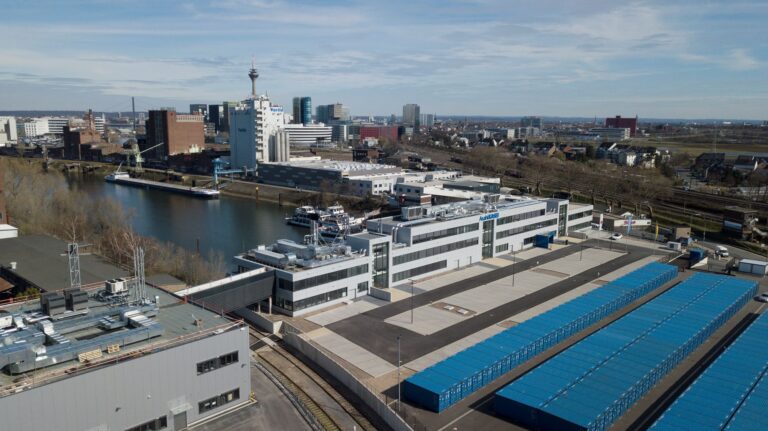
Asahi Kasei Europe joined Plastics Europe Germany, the  leading association of plastics producers in Germany, in December 2023.

Since its foundation in 2016 as the European headquarters of the Japanese technology group Asahi  Kasei, Asahi Kasei Europe has been developing and marketing engineering plastics and fibers, particle  foams and other functional materials for the automotive industry and other areas of application. The  location is also an innovation hub for the Asahi Kasei Group companies in Europe.  

To further foster the relationship with the European plastics industry, Asahi Kasei Europe joined Plas tics Europe Germany in December 2023. “As a chemical company and plastics producer, Asahi Kasei  has a responsibility to contribute to a more sustainable society. This requires new technical develop ments, but also cooperation and an open exchange with other companies. We are proud to be able to  make our contribution to the ecosystem in the innovation driver Europe through our membership in Plastics Europe Germany,” comments Martin Aeschlimann, General Manager Engineering Plastics at  Asahi Kasei Europe. 

Expertise from A to Z 

As a highly diversified company, Asahi Kasei offers solutions along the entire material cycle – from the  production of hydrogen as an alternative energy source, bio-based base chemicals and materials, to  new innovative recycling technologies for polyamide 66 and carbon fiber composites. The Group is  committing itself to become carbon neutral by 2050. 

„It is a pleasure to welcome Asahi Kasei Europe at Plastics Europe! In 2002, Asahi Kasei developed  the world’s first manufacturing method that uses CO2 as raw material for the production of polycar bonate. Today, 15% of the global polycarbonate production uses this production technology. From my  point of view, Asahi Kasei can serve as a a driver for the development of products and product grades  to open up new businesses and application areas for the European market”, comments Ingemar Bühler,  Executive Director, Plastics Europe Germany. 

About Plastics Europe 

Plastics Europe is the pan-European association of plastics manufacturers with offices across Europe.  For over 100 years, science and innovation has been the DNA that cuts across the plastics industry.  With close to 100 members producing over 90% of all polymers across Europe, Plastics Europe is the  catalyst for the industry with a responsibility to openly engage with stakeholders and deliver solutions  which are safe, circular and sustainable. 

About Asahi Kasei 

The Asahi Kasei Group contributes to life and living for people around the world. Since its founding in  1922 with ammonia and cellulose fiber businesses, Asahi Kasei has consistently grown through the  proactive transformation of its business portfolio to meet the evolving needs of every age. With more  than 48,000 employees worldwide, the company contributes to a sustainable society by providing  solutions to the world’s challenges through its three business sectors of Material, Homes, and Health  Care. Its Material sector, comprised of Environmental Solutions, Mobility & Industrial, and Life  Innovation, includes a wide array of products from battery separators and biodegradable textiles to  engineering plastics and sound solutions.

www.asahi-kasei.com/ 

#modernplasticsindia #indianplasticmagazine #modernplasticsaward #plasticnews #modernplasticsgermany #ginujoseph #modernplastic #plasticindia  #plasticrecycling #sustainability #modernplasticsglobalnetwork #modernglobalnetwork #modernplasticsaward2023 #plasticmagazine #PlasticIndustry  #modernplasticsmiddleeast #indianmagazine #innovations #modernplasticsamerica #modernplasticsbangladesh #modernplasticsasia #modernplasticsitaly

Zygo Announces Launch Of New Qualifire Laser Interferometer

Zygo Announces Launch Of New Qualifire Laser Interferometer 

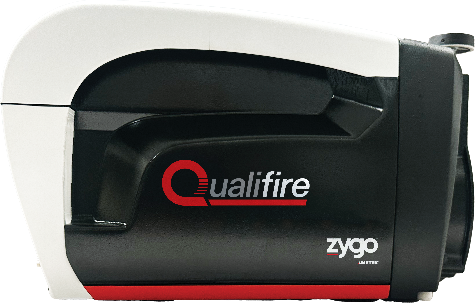
Zygo Corporation, a business unit of AMETEK, Inc. (NYSE: AME), announces the release of its newest laser interferometer, Qualifire. Qualifire joins an extensive array of top-end interferometer solutions.  This instrument is designed to support and enable the most demanding metrology applications in industries such as semiconductor, lithography, space-borne imaging systems, cutting-edge consumer electronics, defense. Qualifire debuts at SPIE Photonics West in San Francisco, California on January 30. This interferometer packs significant enhancements and features into a small lighter-weight package without sacrificing performance.  


Erin McDonnell, Product Manager, Laser Interferometers at Zygo says, “We are excited to introduce the Qualifire to market. Its improved ergonomics make it easy-to-use, and it is more portable than many of Zygo’s other laser interferometers. Measurements made with laser interferometers tend to be sensitive to noise, contaminants, and other artifacts because of the instrument’s ability to provide nanometer-level precision. An optional module available on the Qualifire, Flying Spot, actively reduces or even eliminates these artifacts, thus enhancing the reliability and repeatability of measurements. Flying Spot combines two of Zygo’s best artifact reduction technologies: Ring of Fire and Coherent Artifact Reduction. Flying Spot is particularly valuable in applications requiring high precision, including scientific research and advanced manufacturing processes.”

Qualifire brings these features and improvements to Zygo’s laser interferometer product line:

  • Smart Accessory Interface—the interferometer can recognize any “smart accessory” installed and automatically apply a system error file and perform lateral calibration.
  • Small, Lightweight Footprint—the smallest model of Qualifire weighs approximately 45 lbs (20.4 kgs).  It is truly portable, especially for complex and delicate applications in which the interferometer must be moved or adjusted frequently.
  • Integrated Phase Measuring Receptacle (PMR)—the PMR is necessary for modulating interference fringes between the test part and reference optic which ultimately creates a quantitative surface map. Its integral design provides:
    •  Overall mechanical stability and alignment
    • Reduces the risk of damage or misalignment
    • Ensures consistent performance, reducing the need for recalibration
  • Improved User Experience—conveniently accessible power button and kinematic mounting feet make setup easier to use. Large control knobs allow for more accurate adjustments—critical to both alignment and calibration.  Integrated handles ensure safe and secure handling.
  • Easier service—the sealed optical system and consolidated electronics makes swapping out various components straightforward without exposing the optics to contaminants.
  • Flying Spot—an optional module for artifact reduction that includes the autofocus feature.
  • Stable Zoom—an option providing a new zoom method which makes perfect image registration possible and diffraction limited image sampling at all magnifications. 

Kurt Redlitz, DVP, Metrology Group says, “The Qualifire maintains Zygo’s high standards in metrology while delivering the highest level of precision and optimizing user experience. With improved ergonomics, it provides increased efficiency in operation and flexibility in deployment without sacrificing performance. Qualifire is a more robust, reliable, and user-friendly instrument, ready to handle the most demanding applications and environment—where precision is non-negotiable.”

www.zygo.com

#modernplasticsindia #indianplasticmagazine #modernplasticsaward #plasticnews #modernplasticsgermany #ginujoseph #modernplastic #plasticindia  #plasticrecycling #sustainability #modernplasticsglobalnetwork #modernglobalnetwork #modernplasticsaward2023 #plasticmagazine #PlasticIndustry  #modernplasticsmiddleeast #indianmagazine #innovations #modernplasticsamerica #modernplasticsbangladesh #modernplasticsasia #modernplasticsitaly

FMI’ Analyst view: “Your Brand, Your Box: Navigating the Landscape of Personalized Packaging”

FMI’ Analyst view: “Your Brand, Your Box: Navigating the Landscape of Personalized Packaging”

The personalized packaging market is projected to have a significant CAGR of 5.28% by 2033. According to FMI, the market is expected to expand from US$ 36.10 billion in 2023 to US$ 60.39 billion by 2033. Historically, the market showed significant growth, with a CAGR of 6.6% from 2018 to 2022.

Demand for personalized packaging has expanded as a result of the tremendous applications from different industries. For the purpose of improving the consumer impression of their brand, manufacturers are utilizing personalized packaging frequently.

The secondary packaging of goods or businesses is routinely updated to give them a unique personality in the marketplace. Even if major organizations have already established notable trends through innovative packaging solutions, emerging businesses are expected to respond to shifting trends in the global market for customizable packaging.

Recent Campaigns in the Personalized Packaging Market:

·   Mondelez tapped into customer creativity with its 2015 Oreo Colorfilled campaign, by enabling the cookie packets to be customized for Christmas gift-giving online or with a kit provided for at-home use. Furthermore, as it was the first time the products had ever been given directly to customers, the brand had the opportunity to integrate itself into its daily life with customized on-package messaging.

·     In 2017, Ferrero’s Nutella Unica campaign, which translates to Unique Nutella in Italian, was a tremendous success for the company. It involved the release of a limited-edition run of 7 million Nutella jars in that country. Customers flocked to the unique collection in droves, and it was fully sold out in a month.

The personalized packaging market share is likely to be benefiting from the rising demand for luxury packaging, which is especially evident in the APAC region. Manufacturers in the region are expanding their capabilities and production capacity to strengthen their position in the steadily expanding market.

The rise in worldwide e-retail usage over the past 10 years has also contributed to the surging opportunities in the personalized packaging market. The usage of bottled water is increasing globally, which may offer a variety of possibilities, whereas the use of carbonated beverages has dropped over the previous few years.

These ongoing personalization packaging projects are likely to serve as a model for other companies looking to differentiate themselves from the competition. Personalized packaging manufacturers come up with creative and innovative ways to incorporate personalization, as long as doing so increases sales and appeals to customers.

Why is Personalized Packaging a Hot Trend in the Industry Lately?

·   Increased Demand in Electronic Companies

Electronic companies use distinctive packaging designs for their products, in order to entice and keep customers throughout the buying process and ensure good product quality.

Mobile enterprises need individualized packaging that is strong, tamper-evident, and very secure. Customer brands, from those in fast-moving consumer goods to those at the forefront of high-end luxury items, are pulling the levers of personalized packaging.

·   Branding Campaigns

As businesses become slightly more cognizant of consumers’ thoughts as a result of branding campaigns, the demand for personalized packaging is likely to grow. The beverage and food industries have shown the strongest inclinations toward personalization packaging.

·     Check up on the Manufacturing Costs

Personalized packaging may improve brand awareness and help companies interact with their customers, but new designs need a lot more time and effort from companies, which may drive up manufacturing costs. For this, determining the optimal package design and marketing approach requires a significant investment of marketing resources.

·   Up to Date Trends

Personalized packaging campaigns that are unsuccessful with customers can be time- and money-consuming, as well as detrimental to corporate profitability. Businesses must also stay up to date on the most recent personalized packaging trends to avoid printing outdated or obsolete packaging.

Regional Analysis

Key Manufacturers in the USA Take Technology into Account to have the Best Personalized Packaging Solutions

In North America, the market for personalized packaging is anticipated to be dominated by the USA. This can be linked to the rising demand for personalized packaging options in the food and beverage sector, as well as the accessibility of cutting-edge packaging materials and technologies in the nation.

With a CAGR of 5.5%, the market for personalized packaging in North America is anticipated to expand significantly during the forecast period. The adoption of personalized packaging is anticipated to rise in North America as a result of rising disposable income.

Additionally, it is anticipated that the presence of top manufacturers in the area is likely to assist the expansion of the USA market.

Why United Kingdom Demand for Personalized Packaging is Relevant for Overall Growth?

The United Kingdom market for personalized packaging is anticipated to expand at a CAGR of 4.5% during the forecast period. This growth can be related to the increasing consumer buying power, the rising utilization of digital printing technology for packaging, and the rising need for appealing packaging designs for product promotion.

Moreover, the United Kingdom market for customized packaging has expanded as a result of the expansion of the e-commerce sector.

Medium-sized Business holds King Market Share in the Asia-Pacific Region

The desire for personalized packaging solutions is being fueled by the country’s growing e-commerce industry, which needs specialized packaging to set its items apart from its competitors. This trend is accelerated by the expanding usage of packaging technology, such as virtual reality and 3D printing, to produce distinctive and eye-catching containers.

Moreover, the desire for more appealing packaging to be supplied with orders is also increasing due to the growing popularity of online shopping, which is further boosting the market expansion for customized packaging in China.

The market is expanding as a result of the rising demand for personalized packaging. These packaging solutions give the product a distinctive appearance and aid in building a solid brand identity. The rise of small and medium-sized personalized packaging enterprises also contributes to the APAC industry’s expansion.

Competitive Landscape

Manufacturers of personalized packaging contact customers personally, which promotes strategic planning and creative packaging solutions.

The personalized packaging trend has been embraced by numerous businesses across numerous industrial sectors in an effort to profit from it. The value of strategic packaging is one of the alluring customer value propositions that organizations have been seeking to leverage for distinctive positioning.

Moreover, customer interactions only become more delicate over time, given the intense competition that customized packaging creates. The unquenchable desire to interact personally with businesses is one of the key factors propelling development for industry participants in personalized packaging.

For instance, to expand its custom packaging business, Packhelp raised $45.6 million in investment in November 2021. Due to the rise of e-commerce and on-demand delivery, Packhelp has grown into a company that assists even the tiniest businesses in wrapping their products in eye-catching custom packaging and counting giants like H&M and Uber Eat among its clients.

The usage of linked packaging to reach clients from a digital marketing perspective has presented a wonderful innovation potential for the leading players in the personalized packaging industry.

Moreover, personalized packaging with NFC- and RFID-enabled tags is anticipated to be the next generation of intelligent packaging due to its anti-counterfeiting and anti-theft qualities. The use of unusual shapes and sizes for bespoke packaging, together with the typography and glossy or matte printing on luxury boxes, are additional advancements in the global market for the packaging of alcoholic beverages.

Recent Developments:

·   A new line of custom corrugated insert boxes was presented by American web-to-print producer Fantastapack in April 2021. According to the company, this is maybe the first time automated technology has been used to design unique insert packaging online.

·    Fantastapack claims that using digital print and converting, gives customers a competitive advantage by granting them early access to cutting-edge packaging solutions.

·  For an undisclosed sum, American company C-P Flexible Packaging in August 2021 purchased Fruth Custom Packaging and its subsidiary, Cleanroom Film, and Bag (CFB).

·  The acquisitions aid C-P in expanding its West Coast presence and packaging capabilities for semiconductors, electronics, medical devices, and biopharmaceuticals.

·  With the launch of the Amazon Prime Packaging program, businesses can now build customized packaging for their goods. To lessen their carbon footprint, businesses are concentrating on offering sustainable packaging alternatives.

· Coca-Cola, for example, just introduced its PlantBottle packaging, which contains up to 30% plant-based components.

·   During the projected period, these activities by significant organizations are anticipated to propel personalized packaging market expansion.

www.futuremarketinsights.com

#modernplasticsindia #indianplasticmagazine #modernplasticsaward #plasticnews #modernplasticsgermany #ginujoseph #modernplastic #plasticindia  #plasticrecycling #sustainability #modernplasticsglobalnetwork #modernglobalnetwork #modernplasticsaward2023 #plasticmagazine #PlasticIndustry  #modernplasticsmiddleeast #indianmagazine #innovations #modernplasticsamerica #modernplasticsbangladesh #modernplasticsasia #modernplasticsitaly
Rafitec-Propex and FCO Group Present Innovations at the IPPE International Production & Processing Expo (IPPE) 2024

Rafitec-Propex and FCO Group Present Innovations at the IPPE International Production & Processing Expo (IPPE) 2024

The Brazilian companies Rafitec-Propex – a provider of curtains for poultry farming -, GDM Plastics, Plaszom Packaging, and Parnaplast – the latter three being part of the FCO Group – with their sustainable solutions in films and packaging, will participate in the International Production & Processing Expo (IPPE) 2024, taking place in Atlanta, United States, on January 30th and February 1st.

The group is part of Think Plastic Brazil, an initiative supported by ApexBrasil (Brazilian Trade and Investment Promotion Agency) in partnership with INP (National Plastics Institute).

Brazilian Excellence in Plastics for the Food Industry
Brazil continues to assert itself as a significant player in the plastic industry for the food sector, encompassing packaging and advanced processing technologies with a variety of developed films and technical bags. The companies of Think Plastic Brazil exemplify this excellence in the field.

The FCO Group will be present with products developed by its three companies – GDM, Plaszom, and Parnaplast – showcasing a wide range of sustainable solutions for the food sector. Meanwhile, Rafitec-Propex will present its curtains for poultry production.

IPPE is the largest annual event dedicated to innovation in the poultry, meat, and feed industries worldwide. Bringing together key industry players, it serves as a platform for buyers and sellers to explore the latest technologies, products, and services. The Brazilian delegation, represented by Rafitec-Propex and FCO Group, will occupy prominent positions at booths B35021 and B40071, respectively.

About Rafitec-Propex
Rafitec-Propex stands out as the largest woven polypropylene company in South America, using cutting-edge production technology. Renowned for providing high-quality curtains for poultry houses, the company is a Brazilian leader in the production and marketing of high and medium barrier films in the South American market. The company is located at booth B35021.

About the FCO Group
The FCO Group, another protagonist in the Think Plastic Brazil initiative, is a Brazilian leader in the production and marketing of high and medium barrier films in the South American market. The company operates with a variety of developed films and technical bags, high-tech equipment, following the highest quality standards of the sector. The FCO Group is located at booth B40071.

About Think Plastic Brazil 
Think Plastic Brazil was created in December 2003, when the integrated Brazilian plastics chain was chosen as one of the ten biggest in the world and was recognized for its cutting-edge technology as well as its human resources capabilities. The project is carried out in collaboration with ApexBrasil (Brazilian Trade and Investment Promotion Agency) and under the coordination of the INP (National Institute of Plastic), to promote the export of manufactured plastic products.

www.thinkplasticbrazil.com 

#modernplasticsindia #indianplasticmagazine #modernplasticsaward #plasticnews #modernplasticsgermany #ginujoseph #modernplastic #plasticindia  #plasticrecycling #sustainability #modernplasticsglobalnetwork #modernglobalnetwork #modernplasticsaward2023 #plasticmagazine #PlasticIndustry  #modernplasticsmiddleeast #indianmagazine #innovations #modernplasticsamerica #modernplasticsbangladesh #modernplasticsasia #modernplasticsitaly

The Hidden Costs Of Industrial Printing And How To Reduce Them

The Hidden Costs Of Industrial Printing
And How To Reduce Them
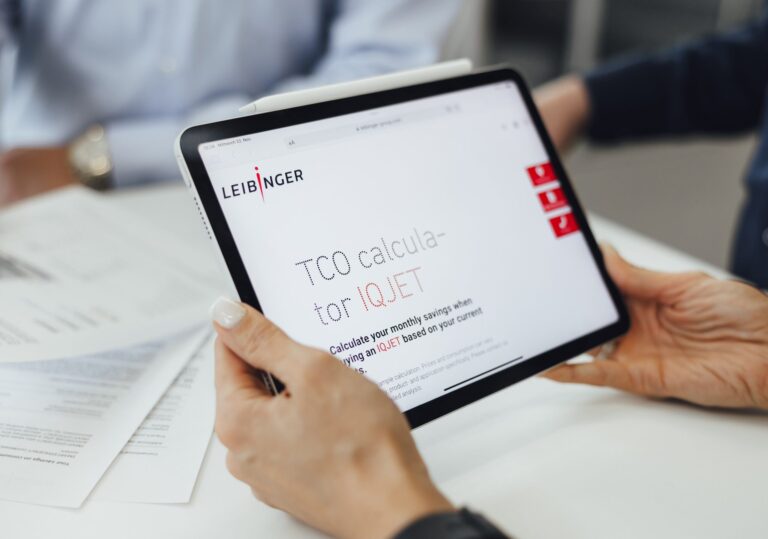
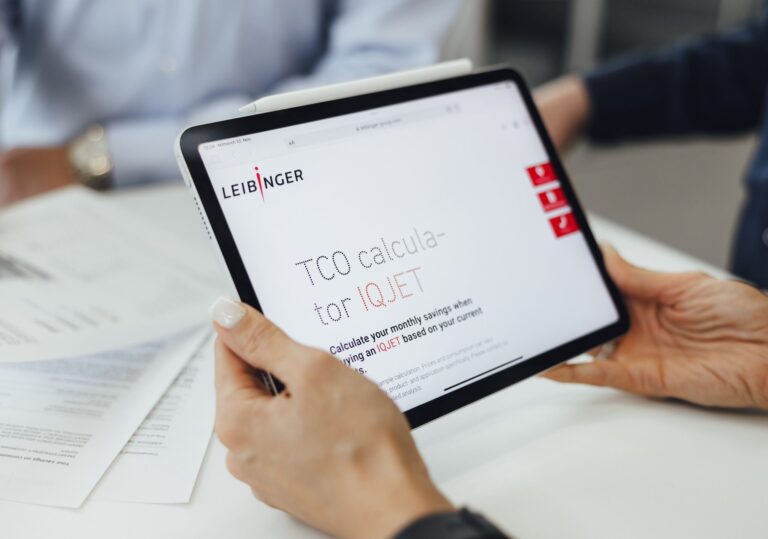
Identify hidden costs in two minutes with the Total-Cost-of-Ownership-Calculator

How much do the printers you use on your production line cost? What we mean is, how much do they really cost? As the pressure increases on producers and packagers to make their production lines more efficient, we are often asked about how our customers can reduce their printing costs. And the answer we give often surprises them – because we mention costs they often didn’t think primarily about.
Read on and we’ll tell you the six ways that your printers cost money – and how to reduce your total cost. Not only that – you will also get access to our new TCO calculator, which will give you an actual figure personalized to you and your business.
So where is all that money going?
1. Downtime
This is the cost that is most often overlooked when talking about coding & marking. Downtime can be created by poor print quality as well as by poor printer performance. Some conventional printers need cleaning between pauses in production. So, the production line sits idle while someone takes the printer through the cleaning cycle. Some printers can take up to 20 mins to stabilize before they are ready to print again. This delay costs money: according to Senseye’s True Cost of Downtime Report, the cost of a lost hour ranges from USD 39,000 in the FMCG sector to more than USD 2 million in the automotive sector.
With LEIBINGER, this is not a cost you need to worry about. The LEIBINGER printer technology keeps unused ink in a 100% airtight system. It doesn’t dry out or clog, production schedules are not held up for cleaning, and no precious production time and money is wasted. High quality printing results are guaranteed at any time.

2. Maintenance
It’s important to keep machines serviced and in good working order, and this can be a significant part of the overall cost – unless you have a LEIBINGER IQJET. The IQJET is maintenance-free for five years. This is possible because we use durable, high-quality components and a unique product design that minimizes ‘wear and tear’ (e.g. no need for a continuously running feed pump). And it removes the maintenance cost altogether.
In contrast many of the other prominent printing solution providers today seem to lack a crucial focus on minimizing parts and maintenance requirements, as their approach revolves around the wholesale replacement of entire ink core modules, that means the entire hydraulic system, at predetermined time intervals such as annually or biennially. Typically, this process is governed by timeout chips, leading to automatic printer shutdowns when these intervals expire. Consequently, this enforced printer downtime results in production halts for manufacturers. This approach not only lacks sustainability but also incurs exorbitant costs. We are not merely referring to the substantial expenses incurred in replacing ink core modules, which are up to USD 1.500 per year; Downtime costs, in terms of lost production, are equally significant.
Therefore, the query regarding maintenance and spare parts policies should be one of the primary questions to ask your coding and printing solutions provider, as it can constitutes a significant long-term cost factor.
3. Labour
Given the current labor shortage, it is particularly important to consider the time cost of people. How long do operators spend setting up or cleaning printers? Or re-programming them between jobs? What is the expected timeframe for commissioning and installation at the facility? Printers that are easy to install, manage and configure – and with remote control options, for example, so staff don’t have to walk miles around the plant to operate them – will cost less in the long run. Such features are of course included in LEIBINGER printers. The Plug & Print performance of IQJET is unparalleled in the global market. The drag-and-drop interface and the simplest print job creation process are not only effortless but also highly intuitive, and no extensive training of employees is required.

4. The purchase price
The most obvious cost of printing is the upfront cost of equipment, although this is typically less than 30% of the total costs. As with everything, a high-quality, reliable brand will cost more than a cheaper one. And of course, printers cost more if they go faster or provide more features – so the best way to economize is to ensure you don’t pay for features or speeds that you don’t need. In the long term, the best bet is a reputable supplier with a wide range so you can find a price point that suits you.

5. Consumables
Reduce the amount of ink and solvent you use and you reduce your costs – and not all printers perform equally. LEIBINGERs latest printers have one of the lowest consumption ratings on the market, 2.7 ml pre hour of solvent for MEK inks (competing products typically consume between 6 and 10 ml per
hour), and we make sure that ink cartridges are emptied down to the last drop and do not require separate disposal (unlike many conventional CIJ systems). So, you pay less for your consumables.

6. Power
Energy prices remain high, so the power required to run your printers is an important factor. Not only does it cost money, but it also contributes to your organization’s carbon footprint. Choose equipment with a low wattage rating, such as our new IQJET: drawing only 36W it costs less than any other printer to run.
Show me the money!
While it is useful to know the different ways that your printers cost money, you really need to see the numbers. You need to know exactly how much you’re paying and how much could you save.
And with our online Total Cost of Ownership Calculator, you can have those numbers in about two minutes’ time.

https://leibinger-group.com/intelligent-inkjet/tco

#modernplasticsindia #indianplasticmagazine #modernplasticsaward #plasticnews   #modernplasticsgermany #ginujoseph #modernplastic #plasticindia  #plasticrecycling #sustainability #modernplasticsglobalnetwork #modernglobalnetwork #modernplasticsaward2023 #plasticmagazine #PlasticIndustry  #modernplasticsmiddleeast #indianmagazine #innovations #modernplasticsamerica #modernplasticsbangladesh #modernplasticsasia #modernplasticsitaly
The Hidden Costs Of Industrial Printing And How To Reduce Them

The Hidden Costs Of Industrial Printing
And How To Reduce Them
Identify hidden costs in two minutes with the Total-Cost-of-Ownership-Calculator
Tuttlingen (Germany) / February 29, 2024 – How much do the printers you use on your production line cost? What we mean is, how much do they really cost? As the pressure increases on producers and packagers to make their production lines more efficient, we are often asked about how our customers can reduce their printing costs. And the answer we give often surprises them – because we mention costs they often didn’t think primarily about.
Read on and we’ll tell you the six ways that your printers cost money – and how to reduce your total cost. Not only that – you will also get access to our new TCO calculator, which will give you an actual figure personalized to you and your business.
So where is all that money going?
1. Downtime
This is the cost that is most often overlooked when talking about coding & marking. Downtime can be created by poor print quality as well as by poor printer performance. Some conventional printers need cleaning between pauses in production. So, the production line sits idle while someone takes the printer through the cleaning cycle. Some printers can take up to 20 mins to stabilize before they are ready to print again. This delay costs money: according to Senseye’s True Cost of Downtime Report, the cost of a lost hour ranges from USD 39,000 in the FMCG sector to more than USD 2 million in the automotive sector.
With LEIBINGER, this is not a cost you need to worry about. The LEIBINGER printer technology keeps unused ink in a 100% airtight system. It doesn’t dry out or clog, production schedules are not held up for cleaning, and no precious production time and money is wasted. High quality printing results are guaranteed at any time.

2. Maintenance
It’s important to keep machines serviced and in good working order, and this can be a significant part of the overall cost – unless you have a LEIBINGER IQJET. The IQJET is maintenance-free for five years. This is possible because we use durable, high-quality components and a unique product design that minimizes ‘wear and tear’ (e.g. no need for a continuously running feed pump). And it removes the maintenance cost altogether.
In contrast many of the other prominent printing solution providers today seem to lack a crucial focus on minimizing parts and maintenance requirements, as their approach revolves around the wholesale replacement of entire ink core modules, that means the entire hydraulic system, at predetermined time intervals such as annually or biennially. Typically, this process is governed by timeout chips, leading to automatic printer shutdowns when these intervals expire. Consequently, this enforced printer downtime results in production halts for manufacturers. This approach not only lacks sustainability but also incurs exorbitant costs. We are not merely referring to the substantial expenses incurred in replacing ink core modules, which are up to USD 1.500 per year; Downtime costs, in terms of lost production, are equally significant.
Therefore, the query regarding maintenance and spare parts policies should be one of the primary questions to ask your coding and printing solutions provider, as it can constitutes a significant long-term cost factor.
3. Labour
Given the current labor shortage, it is particularly important to consider the time cost of people. How long do operators spend setting up or cleaning printers? Or re-programming them between jobs? What is the expected timeframe for commissioning and installation at the facility? Printers that are easy to install, manage and configure – and with remote control options, for example, so staff don’t have to walk miles around the plant to operate them – will cost less in the long run. Such features are of course included in LEIBINGER printers. The Plug & Print performance of IQJET is unparalleled in the global market. The drag-and-drop interface and the simplest print job creation process are not only effortless but also highly intuitive, and no extensive training of employees is required.

4. The purchase price
The most obvious cost of printing is the upfront cost of equipment, although this is typically less than 30% of the total costs. As with everything, a high-quality, reliable brand will cost more than a cheaper one. And of course, printers cost more if they go faster or provide more features – so the best way to economize is to ensure you don’t pay for features or speeds that you don’t need. In the long term, the best bet is a reputable supplier with a wide range so you can find a price point that suits you.

5. Consumables
Reduce the amount of ink and solvent you use and you reduce your costs – and not all printers perform equally. LEIBINGERs latest printers have one of the lowest consumption ratings on the market, 2.7 ml pre hour of solvent for MEK inks (competing products typically consume between 6 and 10 ml per
hour), and we make sure that ink cartridges are emptied down to the last drop and do not require separate disposal (unlike many conventional CIJ systems). So, you pay less for your consumables.

6. Power
Energy prices remain high, so the power required to run your printers is an important factor. Not only does it cost money, but it also contributes to your organization’s carbon footprint. Choose equipment with a low wattage rating, such as our new IQJET: drawing only 36W it costs less than any other printer to run.
Show me the money!
While it is useful to know the different ways that your printers cost money, you really need to see the numbers. You need to know exactly how much you’re paying and how much could you save.
And with our online Total Cost of Ownership Calculator, you can have those numbers in about two minutes’ time.

https://leibinger-group.com/intelligent-inkjet/tco

#modernplasticsindia #indianplasticmagazine #modernplasticsaward #plasticnews   #modernplasticsgermany #ginujoseph #modernplastic #plasticindia  #plasticrecycling #sustainability #modernplasticsglobalnetwork #modernglobalnetwork #modernplasticsaward2023 #plasticmagazine #PlasticIndustry  #modernplasticsmiddleeast #indianmagazine #innovations #modernplasticsamerica #modernplasticsbangladesh #modernplasticsasia #modernplasticsitaly

Rollepaal Enters Exclusive Partnership for PVC-O Pipe Technology with Sintex in India

Rollepaal Enters Exclusive Partnership for PVC-O Pipe Technology with Sintex in India

Rollepaal is pleased to announce the initiation of an exclusive partnership in India with Sintex, part of the globally recognised Welspun World conglomerate.

Rollepaal, a leading global supplier of pipe extrusion technology, is pleased to announce the initiation of an exclusive partnership in India with Sintex, part of the globally recognised Welspun World conglomerate. With the signing of this agreement, Sintex is set to write a new chapter in the PVCO pipes manufacturing in India with the already well established cutting-edge technology for PVCO products.

The agreement to this effect was signed between Mr. Ashish Prasad, CEO, Sintex and Mr Henk Hoven, CEO, Rollepaal in presence of Mr. BK Goenka, Chairman of Welspun World.

Rollepaal, renowned for its expertise and high quality standards in machine manufacturing will provide Sintex with RBlue extrusion lines for PVCO Pipes. Rollepaal’s patented RBlue extrusion lines are designed to enhance efficiency and productivity in manufacturing highest quality PVCO Pipes for potable water applications while minimizing production costs in line with world class standards. Rollepaal has affirmed its ownership of the requisite technology and technical know-how, positioning Sintex to deliver top-tier products to its consumers.

Commenting on the deal, Mr. Ashish Prasad, CEO of Sintex said “Sintex has been synonymous with providing water solutions for 50 years and has been at the forefront of innovations in this segment with many industry-firsts’ breakthrough technologies. The securing of cutting-edge PVC-O technology through our exclusive partnership with Rollepaal marks the next significant leap for our company.” He further added, “This deal is significant step towards our commitment to enhance India’s ability as a country to build water infrastructure faster and in a resource efficient manner.”

Mr. Henk Hoven, CEO of Rollepaal said, “Rollepaal is happy to partner with Sintex in their PVC-O journey. We proudly support them in achieving their vision. This agreement underscores our long term presence and commitment to the Indian market.”

Indian government’s focus on providing tap water supply through schemes like Har Ghar Jal Yojana & Jal Jeevan Mission is leading to an increased demand for plastic pipes owing to their excellent resistance to corrosion, ensuring long-term safety of water supply system. According to industry estimates, the PVC pipes industry in India is poised to grow at CAGR of 14.18% by 2029. Sintex aims to play a key role in this growth by infusing technological advances to upend the standards in building segment in India, beginning with PVC-O pipes.

Welspun World, a US$ 3 billion diversified conglomerate with a strong presence in textiles, steel, line pipes, and flooring solutions, acquired Sintex, a leading manufacturer of water storage tanks and other plastic products through its flagship company Welspun Corp Limited.

Rollepaal is a leading global supplier of pipe extrusion technology for PVC, PO, multilayer, and PVC-O pipe production. Based on 60 years of process knowledge we build high quality, innovative and cost-effective solutions for the plastic pipe extrusion market.

https://www.rollepaal.com/

#Rollepaal #technology #manufacturing #applications #infrastructure #knowledge #modernplasticsindia #indianplasticmagazine #modernplasticsaward #plasticnews #modernplasticsgermany #ginujoseph #modernplastic #plasticindia  #plasticrecycling #sustainability #modernplasticsglobalnetwork #modernglobalnetwork #modernplasticsaward2023 #plasticmagazine #PlasticIndustry  #modernplasticsmiddleeast #indianmagazine #innovations #modernplasticsamerica #modernplasticsbangladesh #modernplasticsasia #modernplasticsitaly
Borealis Appoints Mirjam Mayer as Vice President Circular Economy Solutions

Borealis Appoints Mirjam Mayer as Vice President Circular Economy Solutions

Borealis announces the appointment of Mirjam Mayer, previously Vice President Polyolefins Transformation, as Vice President Circular Economy Solutions as of 1 January 2024. In this position, she will be overlooking and managing Borealis’ entire Circular Economy Solutions (CES) value chain.

Mirjam Mayer joined Borealis in 2020 in the role of Director Strategy & Growth Portfolio in which she drove the development and implementation of the Borealis Group Strategy and supported the different businesses in strategy and business development as well as growth initiatives. Since 2022, she held the role of Vice President Polyolefins Transformation where she was responsible for developing and leading the business portfolio of Borealis Polyolefins, Circular Economy Solutions and Innovations & Technology initiatives. Prior to Borealis she gained extensive experience as a consultant with McKinsey for several years, based in Germany, India, the US and Austria.

Mirjam Mayer holds a postdoctoral degree from the Massachusetts Institute of Technology (MIT) in Boston, US, and a PhD in Biochemistry/Biophysics from the Max Planck Research School and University of Technology in Dresden, Germany. She is a German citizen.

“Mirjam’s exceptional leadership in steering our Polyolefins business transformation, coupled with her deep understanding of Circular Economy Solutions, has positioned her as a pivotal force in our journey towards sustainable growth. Mirjam’s strategic acumen, paired with her hands-on approach, embodies the perfect blend of vision and execution. We’re confident that her expertise will continue to drive our Circular Economy Solutions business to new heights,” says Thomas Gangl, Borealis CEO.

http://www.borealisgroup.com/ http://ww.borealiseverminds.com/

#modernplasticsindia #indianplasticmagazine #modernplasticsaward #plasticnews   #modernplasticsgermany #ginujoseph #modernplastic #plasticindia  #plasticrecycling #sustainability #modernplasticsglobalnetwork #modernglobalnetwork #modernplasticsaward2023 #plasticmagazine #PlasticIndustry  #modernplasticsmiddleeast #indianmagazine #innovations #modernplasticsamerica #modernplasticsbangladesh #modernplasticsasia #modernplasticsitaly

Uniloy Shifting to New Factory in Ahmedabad by April 

Uniloy Shifting to New Factory in Ahmedabad by April 

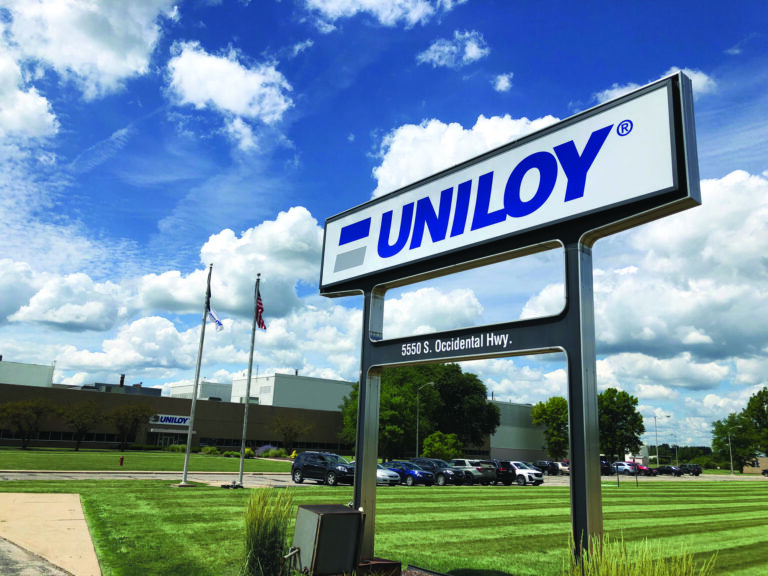
Uniloy is finally moving to a new location in Ahmedabad (Gujarat). The company is shifting to the rented premises in initially to start its manufacturing facility in India. It will commence operation at the new rented factory, which will be functional under the title ‘Uniloy Plastics Machinery Pvt Ltd’ by April 2024.

The move is overdue as Uniloy continue to operate from Milacron India premises even after years of announcing separation in 2019. Milacron Holdings Corp. exited the Uniloy blow molding machinery business four years ago.

New factory in Ahmedabad

Uniloy has also firmed-up plans to invest in its own factory in the next few years. “We will set-up our own site in the next 18 months in Ahmedabad, investing about $1 million in India, ” informed JIgnesh Panchal, Assistant General Manager (Sales) Uniloy in an interaction at the recently concluded Plastfocus show in New Delhi from 1st – 5th February 2024.

On reasons of investing in site in India, Uniloy official said, “We have seen potential and opportunity in the Indian market during our presence in last 15 years. Now the time has come when we should have our own facility to cater this market better.”

Uniloy supplies on an average 3 lines in a month and about 36 lines annually. But with the new site coming, it targets to double the sale to 60-70 lines in a year.  Currently, it operates sales & service offices in the cities of Ahmedabad & Haridwar.

Uniloy supplies blow molding extrusion lines from its Indian site, having 130+ installation in India so far. It will continue supplying UMS series with models like UMS 70, UMS 100LS, UMS 140, UMS 220 with features like view strip, angular neck, dome neck & ML. The range has application in FMCG, lubricants, agro chemical & pesticides, medical & pharma, dairy & juice bottles. Now Uniloy also offers turnkey projects providing machines, mold & auxiliaries.

Currently, Uniloy  supplies all standard hydraulic lines in India. Is there any plan to launch the all-electric variants from global portfolio to the Indian market also.

Despite price sensitive nature of the Indian market, Uniloy is going ahead with on-going expansion and investment in new facility. “We have observed that Indian market is changing and customers outlook is also transforming, customers are now willing to pay for technology and versatility in application.”

The work force would also be tripled once its own site becomes operational. The rented Ahmedabad site will have about 50 people employed in the first phase with headcount to triple to 150 people on shift to new plant.

The company has already served the overseas markets like the Middle East & Africa and with new plant functional shortly, it is also planning to cater the of N American market also. Once the new plant becomes operational, 70% of the production caters the domestic market and remaining 30% would be exported to various overseas markets.”

Headquartered in Tecumseh, Michigan,Uniloy operates facilities in multiple locations globally and regarded as a global leader in blow molding technologies, and the only blow molding machine manufacturer to offer four unique blow molding technologies as well as blow molds and associated tooling. Its core technologies include UR Reciprocating Series Blow Molding Machines, Industrial Blow Molding Machines; UAI Accumulator Head and UCI Continuous Extrusion, UIB Injection Blow Molding Machines, and the UCS.E All-electric Continous Extrusion Shuttle Machine.

uniloy.com

#Uniloy#indianplasticmagazine#modernplasticsaward#plasticnews #modernplasticsgermany#ginujoseph#modernplastic#plasticindia#plasticrecycling #sustainability#modernplasticsglobalnetwork#modernglobalnetwork #modernplasticsaward2024#plasticmagazine#PlasticIndustry #modernplasticsmiddleeast#indianmagazine#innovations #modernplasticsamerica #modernplasticsbangladesh #modernplasticsasia #modernplasticsitaly