25 C
Korea
Friday, July 17, 2026
Home Blog Page 155

SABIC Expands Chemically Resistant LNP CRX Copolymer Portfolio to Help Industrial and Mobility Customers Design for Durability

SABIC Expands Chemically Resistant LNP CRX Copolymer Portfolio to Help Industrial and Mobility Customers Design for Durability

SABIC, a global leader in the chemical industry, will feature new LNP CRX copolymer resins at The smarter E Europe 2023 show (Booth #B6.115), this week in Munich, Germany. These specialized resins give customers in the mobility and industrial sectors new material options that can resist both harsh chemicals and challenging environmental conditions. The new specialized polycarbonate (PC) copolymer-based LNP CRX products deliver the chemical resistance expected from this portfolio, in combination with exceptional weatherability (UL74C F1 rating, low-temperature ductility and ability to withstand high levels of heat and humidity). These properties may help enhance the durability of components such as charging sockets for electric vehicles (EV) and housings for outdoor battery storage equipment.

In turn, greater durability helps to extend the useful life of parts, thereby advancing sustainability goals through lower demand for raw materials, energy, water and other resources. It also helps customers protect their brand reputation and minimize costly recalls and warranty claims. Because of these durability and sustainability benefits, the new additions to the LNP CRX copolymer resin portfolio can be great options for applications across several market sectors, including healthcare and consumer electronics.

“One important aspect of sustainability is finding new ways to extend the service life of products,” said Joshua Chiaw, Director, Business Management, LNP & NORYL, Specialties, SABIC. “Although durability hasn’t received as much attention as recycling, for example, it could reduce environmental impact across the application lifecycle. SABIC’s sustainability strategy not only focuses on incorporating recycled, upcycled and renewable content in our thermoplastics, but also on the development of highly durable materials that help prevent premature disposal and waste. We continue to expand our LNP CRX family with new products and new target applications to help more customers design for durability.”

Growing Portfolio of Durable, Chemically Resistant PC Copolymers
The signature property of all LNP CRX copolymer resins is high resistance to aggressive chemicals. In fact, the first grades in the portfolio offered enhanced chemical resistance for medical devices exposed to repeated cleanings with aggressive disinfectants. However, this growing family of LNP CRX resins is also resistant to motor oil, gasoline, turpentine, caustic soda and brake fluid used in the mobility sector; industrial chemicals such as brake fluid and tar remover; and lotions, sunscreen, hand sanitizers and skin oils that affect consumer electronics devices. These amorphous copolymer resins often deliver chemical resistance comparable to that of crystalline materials, such as flame retardant (FR) polycarbonate/polybutylene terephthalate (PC/PBT) blends, and can surpass the performance of other amorphous resins such as FR PC and impact-modified FR polycarbonate/acrylonitrile-butadiene-styrene (PC/AB) blends.

In addition, all LNP CRX grades provide non-brominated/non-chlorinated flame retardancy and good processability for both injection molding and extrusion. They meet both ultraviolet (UV) and water immersion requirements (F1 rating) for outdoor suitability under UL 746C.

At the show, SABIC will highlight three of its newest LNP ELCRES CRX grades, which all provide low-temperature ductility (down to -60°C) and an F1 rating:

LNP ELCRES CRX9416U copolymer resin. This upcoming product is planned for commercialization later in 2023. It is an injection molding grade offering UL94 V0 compliance at 1.5 mm, and heat resistance of 145°C, as measured by Vicat B/120 (ISO 306). It will be custom colorable with an all-color UL Solutions Yellow Card.

LNP ELCRES CRX9016E copolymer resin. This new grade, available in black color, is formulated for extrusion processing. It provides UL94 V0 compliance at 1.5 mm, low shrinkage, long-term ductility and heat resistance of 145°C, as measured by Vicat B/120 (ISO 306). It was commercialized in early 2023.

LNP ELCRES CRX7416U copolymer resin. Introduced in 2022, this custom-colorable, injection molding grade provides UL94 V0 compliance at 1.0 mm and very high flow properties (MVR of 13 g/10 min.), potentially enabling designs with thinner walls and complex geometries to reduce material usage. This product has a lower heat resistance than that of the other two grades (131°C, as measured by Vicat B/120 (ISO 306)).

Bio-based versions of these materials, supplied under the LNP ELCRIN CRX brand, provide equivalent performance to fossil-based grades. They use renewable feedstock derived from non-fossil waste materials that do not compete with the food chain and are certified under ISCC PLUS. These bio-based grades can reduce carbon dioxide (CO2) emissions by up to 38 percent compared to the fossil-based versions.

SABIC will display several example components made with these materials, including injection molded enclosures, housings and connectors, and extruded profiles and sheet products.

“Our LNP CRX copolymer resin family, which initially was positioned in medical devices requiring resistance to disinfectants, is steadily growing with new grades to serve demanding needs required in other markets,” said Luc Govaerts, Technology Director, Specialties, SABIC. “Our latest additions leverage our proprietary copolymer technology to provide excellent resistance to chemicals and extreme environmental exposures faced by high-performing durable applications such as electric vehicle charging infrastructure, and EV and e-bike batteries. These high-performing more-durable materials help extend service lifetimes for our customers.”

www.sabic.com


#modernplasticsindia #plasticmagazine #indianmagazine #indianplasticmagazine #modernplasticsaward #ginujoseph #modernplastic #plasticindia #plasticnews #plasticrecycling #modernplasticsglobalnetwork #modernglobalnetwok #modernplasticsaward2023 #PlasticIndustry #sabic
Introducing The Battery MobileX: Alfen Unveils Next Generation Solution for Temporary Clean Power Supply at eeS Europe

Introducing The Battery MobileX: Alfen Unveils Next Generation Solution for Temporary Clean Power Supply at eeS Europe

  • Alfen’s new 4th gen mobile battery energy storage solution offers increased capacity and improved safety features in a compact form to empower Europe’s energy transition to mitigate climate change
  • Game-changer in versatility and flexibility; compact, plug-and-play, high-capacity clean energy supply for off-grid sites or temporary grid connections
  • Experience the TheBattery MobileX first-hand: product launch at eeS Europe (part of The smarter E Europe 2023 exhibition)

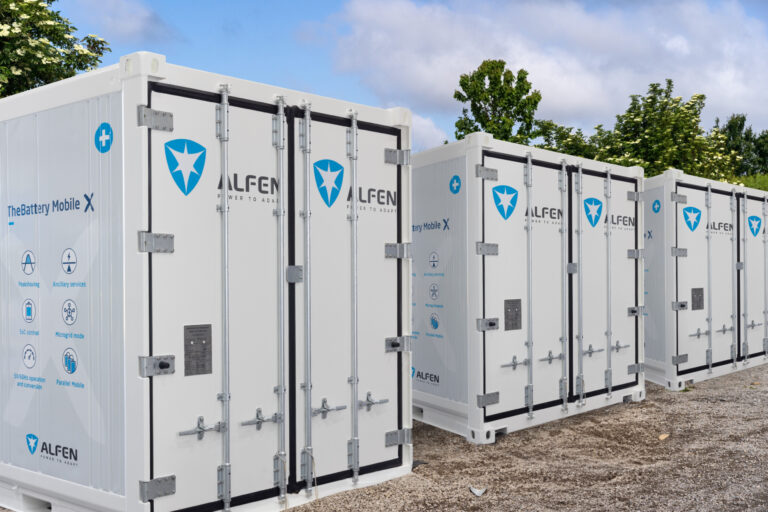
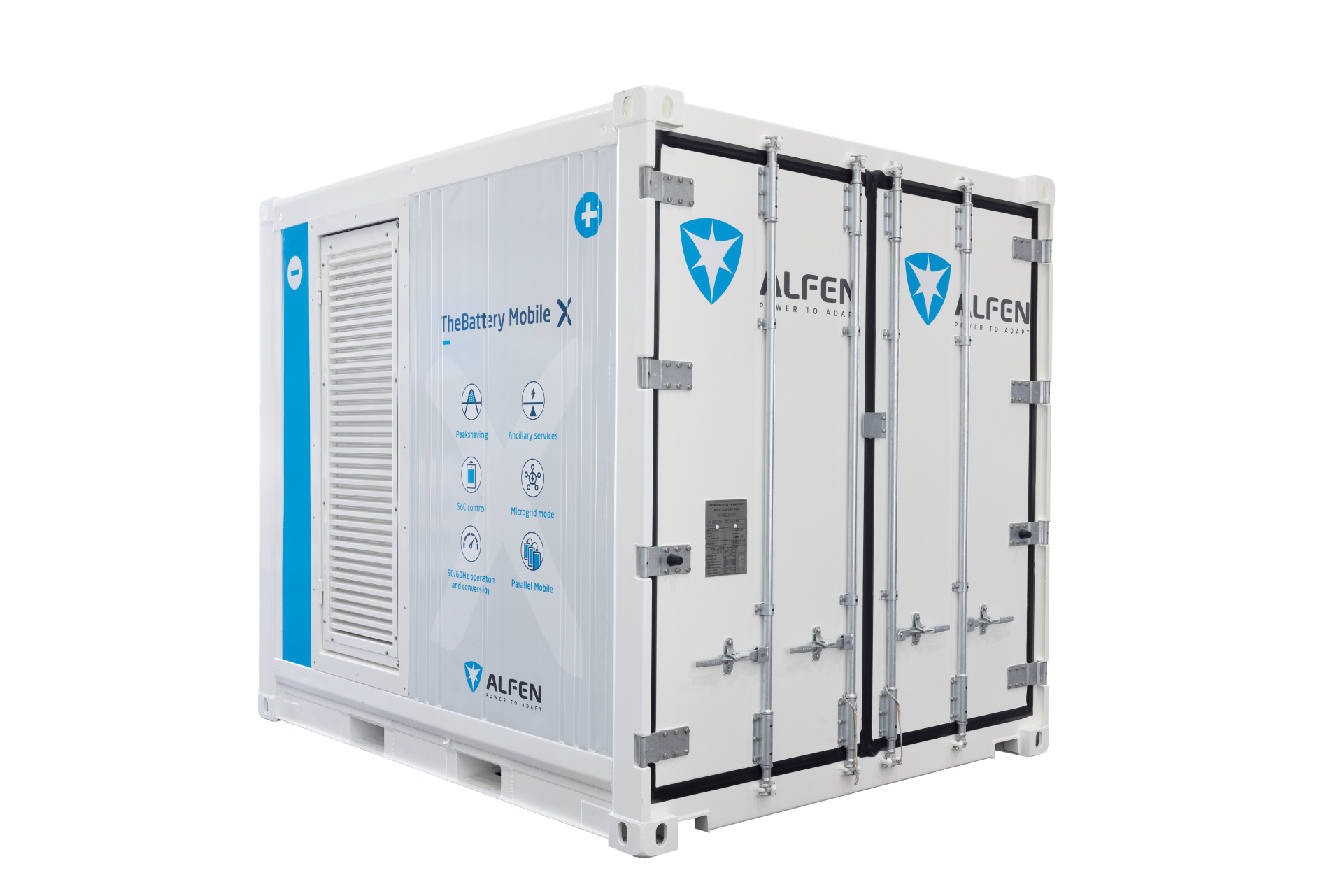
Alfen, a specialist in innovative energy solutions across Europe, today launches its fourth-generation mobile battery energy storage system, TheBattery MobileX. It offers up to 70% more energy (up to 720 kWh) and improved safety features in the same 10 foot container to meet the increasing demand for temporary clean power supply.

An evolution of its compact 10ft mobile container unit, Alfen’s most advanced battery system to date delivers an emission-free, quiet and fast-deployment alternative to power a variety of applications from events, festivals and construction sites to maritime applications and EV charging hubs. A mobile plug-and-play system, it also supports small grid connections, enabling users to increase the capacity of their local connection or provide a solution for weak grid connections or grid balancing services.

Marco Roeleveld, CEO of Alfen, comments: “With increasing priorities to enable Europe’s energy transition and decarbonization, Alfen is excited to offer a more versatile fast-deployment mobile solution to help our customers to accelerate achieving these goals and shift to renewables, whether in the rental sector, as a fast-charging operator or for an industrial application. With its impressive capacity, ease of use, safety features, scalable applications, and sustainability benefits, TheBattery MobileX is a leap forward in mobile energy storage technology, and it highlights how we are targeting our research and development capabilities to evolve our products quickly as needs for agile sustainable energy supply rapidly progress.”

Mobile battery storage systems play an increasing role in the growing energy storage market in Europe, which is projected at 50%+ CAGR until 2027. In particular, these mobile systems provide an emission-free alternative or supplement to off-grid CO₂-emitting diesel gensets and help create a more sustainable supply/demand storage buffer to support sustainably generated power, with energy stored on site for when it is needed.

Drawing on Alfen’s five years of experience and product innovation in mobile battery storage, TheBattery MobileX is market-leading in supplying up to 720 kWh in energy capacity and stands out as a reliable and flexible solution to power projects in any location while reducing and/or eliminating CO₂ footprints. It offers a unique level of application versatility such as the option to operate at 50 or 60Hz, making it highly flexible for offshore and maritime sectors. It also ensures a stable grid connection for greater supply consistency. Its easy plug-and-play format enables a wide range of use cases. For example, units can be used standalone, as part of a local microgrid at a business location, grouped to increase power output or as additional power for peak loads (peakshaving).

In terms of safety, TheBattery MobileX uses LFP batteries, which offer better high-temperature resistance. Additionally, it comes with specific smart operating software to ensure operations within safe limits at all times. It is engineered for optimized user operations with the batteries stored in a designated, contained area for added safety. Alfen considered future recyclability within the unit’s design as LFP batteries support less complex recycling due to its material composition, and the containers are predominantly made from steel and copper which are recyclable.

Alfen Unveils Next Generation Solution for Temporary Clean Power Supply at eeS Europe

See the TheBattery Mobile X First Hand

Alfen will proudly showcase its new TheBattery MobileX at The smarter E exhibition in Munich from June 14-16. Visitors to eeS Europe can experience TheBattery MobileX’s impressive capabilities first hand and discover the future of clean power supply at booth 210 in Hall 2.

www.alfen.com


#modernplasticsindia #plasticmagazine #indianmagazine #indianplasticmagazine #modernplasticsaward #ginujoseph #modernplastic #plasticindia #plasticnews #plasticrecycling #modernplasticsglobalnetwork #modernglobalnetwok #modernplasticsaward2023 #PlasticIndustry #alfen

SABIC Receives 2023 ACC Sustainable Leadership Award for Circularity Achievements With Ocean Bound Plastic Based Solutions

SABIC Receives 2023 ACC Sustainable Leadership Award for Circularity Achievements With Ocean Bound Plastic Based Solutions

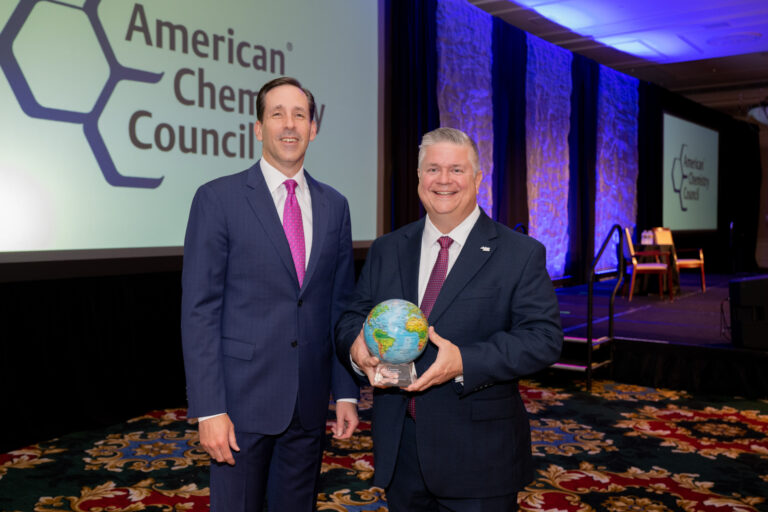
SABIC, a global leader in the chemical industry, has been awarded with a 2023 Sustainability Leadership Award for Exemplary Achievements in Circularity by the American Chemistry Council (ACC), recognizing the company’s pioneering collaborations to bring ocean bound plastic (OBP) back into a circular material.

Abdullah Al-Otaibi, General Manager, ETP & Market Solutions at SABIC, states: “We are very proud to receive this prestigious distinction. It acknowledges the importance of collaborative efforts to enable the recovery and reuse of ocean bound plastic as feedstock in the production of new polymer resins. By driving these successful collaboration projects with industry players, we can demonstrate that advanced recycling can be effective to convert ocean bound plastic that could potentially enter our waterways and oceans, into a valuable feedstock to produce high quality food contact packaging.”

Next to Product Safety, Innovation & Transparency, Environmental Protection and Social Responsibility & Community Engagement, Circularity is one of four priority areas of the ACC Sustainability Leadership Awards, which are granted to ACC member companies for innovative products, technologies and initiatives that help advance sustainability.

SABIC received the 2023 Circularity Award for its leadership in implementing effective solutions using recovered and recycled OBP, which also contribute to UN SDG #14 ‘Life Below Water’. The projects include:

Collaboration with HHI, a Malaysia based plastics recycling company, in demonstrating the art of the possible in the recovery and reuse of OBP through dedicated value chain collaboration.

Collaboration with Polivouga, a European manufacturer of flexible packaging film products, and Nueva Pescanova Group, a leading Spanish food brand, in developing the world’s first frozen food packaging using certified circular polyethylene resin from SABIC’s TRUCIRCLE program with OBP based feedstock.

Collaboration with Scientex, a major Asian manufacturer of flexible packaging, in introducing the world’s first flexible premium brand noodle packs made from SABIC certified polypropylene resin based on OBP.

OBP is abandoned plastic waste found in areas up to 50 km inland from waterways and at risk of eventually being washed into the ocean by rainfall, rivers or tides. The OBP used in the above collaborations is recovered and then converted to pyrolysis oil in an advanced recycling process. SABIC uses this oil as an alternative feedstock to produce certified circular polymers for new high-quality applications.

The ocean bound plastic feedstock is certified under the Zero Plastic Oceans program and SABIC’S certified circular polyolefins are certified under the International Sustainability & Carbon Certification (ISCC) PLUS chain of custody that uses transparent mass balance accounting of the recycled content from polymer production to the final applications. SABIC’s OBP-based solutions form part of the company’s TRUCIRCLE portfolio and services which also comprise design for recyclability, mechanically recycled products, certified renewable polymers from bio-based feedstock and closed loop initiatives.

www.sabic.com


#modernplasticsindia #plasticmagazine #indianmagazine #indianplasticmagazine #modernplasticsaward #ginujoseph #modernplastic #plasticindia #plasticnews #plasticrecycling #modernplasticsglobalnetwork #modernglobalnetwok #modernplasticsaward2023 #PlasticIndustry #sabic
Archroma and Swatchbook Team Up to Deliver Thousands of Digital Colors to Fashion Designers

Archroma and Swatchbook Team Up to Deliver Thousands of Digital Colors to Fashion Designers

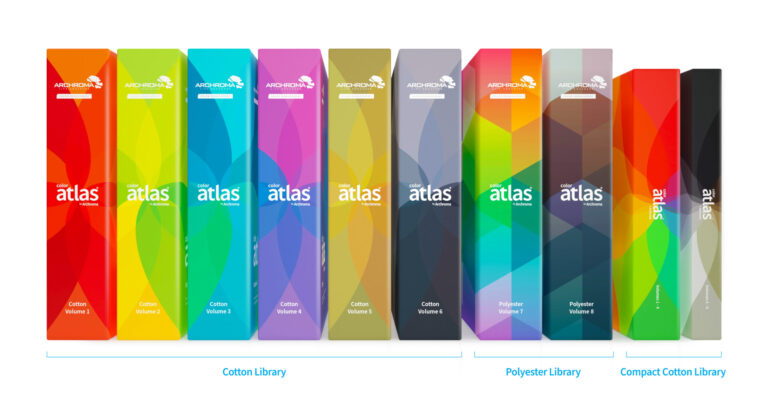
Archroma, a global leader in specialty chemicals towards sustainable solutions, is bringing the entire portfolio of 5,760 Archroma Color Atlas colors to swatchbook, the industry leading platform for material digitalization and sourcing.

The new partnership provides fashion, apparel and textile designers and manufacturers with an elevated standard for color accuracy that meets the needs of today’s increasingly technology-driven and integrated supply chain. This will help the textile and fashion community to improve sustainability, whilst lowering costs and shortening turnaround times.

“At Archroma, we are committed to developing sustainable color solutions for the fashion and textile industry. Enriching swatchbook’s industry-leading digital tools with Archroma’s innovative systems will give brands and their suppliers the extra edge they need to thrive with sustainability in a fast-paced digital world,” Chris Hipps, Head of Strategic Business Development, Archroma Color Management, said.

“We are pleased to partner with Archroma, a company whose values mirror our own commitment to empowering users with intuitive tools that are truly a joy to use,” Jason Eric Brown, Chief Business Development Officer of swatchbook, said. “This partnership will enable us to tap into Archroma’s expertise in color and chemistry so that we can help our customers develop more accurate and consistent digital material colorways.”


The Color Atlas by Archroma was launched in 2016 to provide fashion designers and stylists with off-the-shelf color inspiration that can be implemented in production with just a few clicks.

Designers will use the 5,760 Archroma Color Atlas colors on swatchbook to rapidly develop accurate digital colorways and visualize their final product. They can then share these digital swatches with their manufacturing partners, providing access to the swatchbook metadata, which can include information such as the materials’ composition, weight and color.

This will significantly streamline the overall design and production process for color-critical fashion and textile products, allowing for faster turnaround. Digital materials supported by trusted coloration technology also reduce the need for samples and eliminate physical swatchbooks, bringing environmental benefits and lower costs to brands and suppliers.

www.archroma.com


#modernplasticsindia #plasticmagazine #indianmagazine #indianplasticmagazine #modernplasticsaward #ginujoseph #modernplastic #plasticindia #plasticnews #plasticrecycling #modernplasticsglobalnetwork #modernglobalnetwok #modernplasticsaward2023 #PlasticIndustry #archroma

Sidel Launches Its Own One-Stop Shop to Seamlessly Switch to Recycled PET

Sidel Launches Its Own One-Stop Shop to Seamlessly Switch to Recycled PET

Sidel is demonstrating its expertise in recycled PET (rPET) by launching its ‘RePETableoffer.’ This unique portfolio of services is designed to help the packaging industry make an efficient transition to rPET bottle production while offering support to improve the circularity of primary packaging.

Sidel aims to facilitate a smooth and efficient market switch to recycled PET by establishing a ‘no fear’ one-stop shop for rPET- the RePETable offer. These service solutions will enable customers to adopt up to 100% rPET without impacting bottle production. Sidel can also offer support to the industry to develop innovative and more sustainable primary packaging materials that are designed for recycling.

The RePETable offer is a range of services dedicated to rPET, designed to extend virgin PET benefits to rPET and achieve consistent production performance and bottle quality. Sidel packaging innovation experts are continuing to develop advanced knowledge about recycled PET resin and solutions for efficient bottle production by leveraging its unique small-scale recycling pilot line in France.

The RePETable offer has been designed for customers to pick and choose services that best suit their specific needs. Sidel’s RePETable offer is additional to its packaging optimisation services for lighter bottle weight, helping customers make a cost-efficient transition to recycled PET.

Consistent production performance and bottle quality

With more than 40 years of blowing and PET packaging expertise, Sidel has developed a deep understanding of recycled PET resin characteristics, its variability and its impact on bottle production.

“To reach the same level of performance as virgin PET, rPET bottle production process needs to be adapted to suit the resin used,” says Jérôme Neveu, Packaging & Moulds Product Manager at Sidel. “Therefore, our RePETable offer is made of solutions to address the challenges associated with rPET bottle production securing bottle mechanical resistance with optimum material stretchability and bottle shaping.”

Sidel offers rPET-ready features with packaging services and mould solutions, equipment upgrades and process support which achieve consistent, high production performance and bottle quality, even with up to 100% rPET. The blowing process is optimised to manage challenges associated with rPET grades and out-of-spec rPET is identified and rejected before processing.

“We are continuing to innovate and find more breakthrough solutions for rPET bottle production,” continues Jérôme Neveu.

A holistic approach with primary packaging designed for recycling

Sidel’s invesent in its small-scale recycling pilot line is supporting primary packaging suppliers in innovating with new materials for closure, sleeve, glue, label, additives, colouring and any other primary packaging material.

The services delivered through this pilot line ensure primary packaging recycling process efficiency, resin quality, and rPET bottle performance. Sidel is using this line to recreate every step of the recycling process from washing, drying and pellet extrusion to crystallisation and Solid State Polymerisation, including dedicated process and laboratory controls at every step. Sidel packaging and equipment experts study all aspects of the process from post-consumer PET bales to flakes, including pellets ready to be injected into preform up to rPET bottle blow moulding and industrialisation.

This comprehensive approach, unparalleled in the packaging industry, positions Sidel with a unique hub of expertise for closed-loop PET packaging. It increases the market understanding of PET recycling and helps to verify that primary packaging material innovations comply with bottle-to-bottle recycling.

A cost-efficient transition to rPET

As the demand for rPET continues to rise, driven by regulations across the world and brands’ commient to packaging circularity, the cost of rPET is fluctuating and remaining higher than that of virgin PET. Sidel’s packaging optimisation services for bottle weight reduction help to significantly offset rPET resin costs and even achieve savings with a quick payback.

A virtuous closed-loop

With the RePETable offer, Sidel is committed to using its comprehensive expertise to create a virtuous closed-loop process for food-grade rPET bottles.


“While PET is already fully compliant with the circular economy compared to other plastic packaging materials, combining lightweight and recycled PET is the fastest way to reach carbon neutrality,” says Naima Boutroy, Packaging Expert Global at Sidel. “Lifecycle analysis shows that PET already has the best carbon footprint of all the packaging materials currently available. Creating a robust recycling loop to achieve full circularity at scale will make PET an even more sustainable choice.”


www.sidel.com


#modernplasticsindia #plasticmagazine #indianmagazine #indianplasticmagazine #modernplasticsaward #ginujoseph #modernplastic #plasticindia #plasticnews #plasticrecycling #modernplasticsglobalnetwork #modernglobalnetwok #modernplasticsaward2023 #PlasticIndustry #sidel

Xeikon Brings Next-Generation, Sustainable Innovations to Labelexpo Europe 2023

Xeikon Brings Next-Generation, Sustainable Innovations to Labelexpo Europe 2023

A host of breakthrough solutions will be on show when Xeikon sets up its stall at the 2023 edition of Labelexpo Europe. Focused on helping converters succeed by making label and packaging production easier and highly sustainable, Xeikon will present new innovations to drive progress and greener growth.

1. Introducing Cheetah 3.0

Xeikon is set to unveil important new advancements at Labelexpo Europe, taking its Cheetah technology to new heights with the introduction of Cheetah 3.0. Leveraging the success of the CHEETAH Series of toner presses, this latest iteration represents another significant leap forward in sustainable production. By incorporating groundbreaking innovations, Cheetah 3.0 is poised to revolutionize the manufacturing of labels and packaging, playing a pivotal role in minimizing the industry’s carbon footprint.

ECO Toner

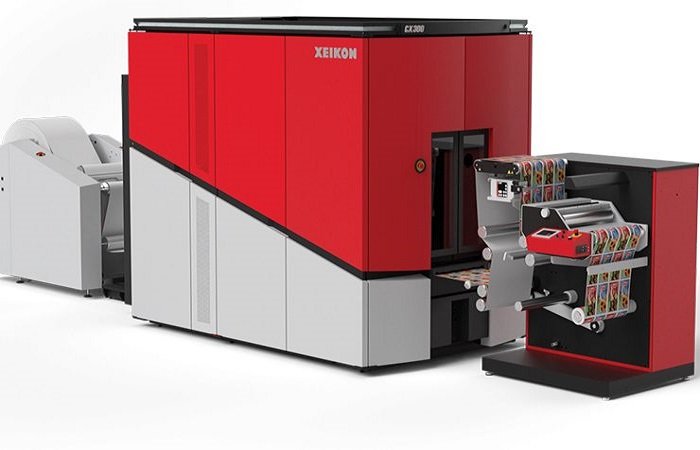
As the company’s next-generation, food-safe toner, new Xeikon ECO toner is uniquely formulated with over 60% high-grade recycled PET, making it the ideal solution for environmentally conscious packaging applications. By harnessing the power of recycled materials, this innovative toner not only meets the ever-growing demand for sustainability but also ensures compliance with the increasingly stringent regulations governing packaging components and recyclability. ECO toner will be available for the high-end presses in the CHEETAH Series – the Xeikon CX300 and Xeikon CX500.

“With its exceptional print quality, high reliability, and eco-friendly composition, ECO toner makes a meaningful contribution in Xeikon’s unwavering commitment to delivering both high-performance and environmentally responsible printing solutions,” comments Filip Weymans, Xeikon Vice President of Marketing. “Using ECO toner can reduce the carbon footprint of the printing operation by 10%, and importantly, it will not increase costs unlike other eco solutions. We are also proud to say that all Xeikon toners remain the market’s most food-safe technology for digital printing.”

Enhanced quality management

To guarantee the highest quality and lower waste hence lower cost, Xeikon has developed the Quality Measurement Module (QMM) which can be fitted on all Cheetah 3.0 CX Series presses as an option. The QMM will be responsible for the quality assurance of the printed output, closely monitoring the density and registration throughout the print run. “By eliminating waste and guaranteeing high quality, the Xeikon QMM will allow printers to deliver perfect labels to their customers more cost effective,” says Weymans. “It is another great innovation from Xeikon that helps to support the advancement of sustainability in digital label production.”

2. Keeping score of eco performance

To present the exact eco profile of each solution, Xeikon has devised a new Sustainability Scorecard which offers a more transparent means of proving compliance with various regulations and also help brand owners with their sustainability goals. The Scorecard will analyze (illustrate) the carbon footprint of each Xeikon press, right down to the individual components of the consumables. It will identify food compliance, VOCs emissions, recyclability and energy use to give a complete overview.

When applied to the Xeikon Panther Series of inkjet presses configured with new PantherCure LED inks, the Scorecard will demonstrate why they are the most sustainable digital label presses on the market from carbon footprint perspective. With UV LED ink technology, Xeikon has enhanced the capabilities of the Panther presses, providing extended application reach and a larger color gamut, increased image quality, improved ink adhesion, reduced downtime, and lower energy use and ink consumption in the process to equip printers with an exceptional tool for optimal performance.

3. Sustainability in flexible packaging production

Xeikon will also use Labelexpo 2023 as the European premiere for its new TITON toner technology, which has been developed to meet market demands for paper-based flexible packaging applications, such as stand-up pouches and sachets.

The first press presented with TITON technology is the Xeikon TX-500 which prints in up to five colors at 30 m/min in a resolution of 1200 dpi. The 520mm-wide press will be instrumental in opening up new market opportunities in paper-based labels and flexible packaging, helping converters to future-proof their businesses and respond to consumers’ concern for the environment. ACM in Italy, as one of the first Beta sites to install the new technology, reports a growing appetite for short runs of paper-based pouches, which the company sells through its online portal.

As a next step in digitalizing label production, Xeikon will be showing the Xeikon TX-500 press running live in line with a digital embellishment module from Kurz. Producing full-color, high-end labels with digital foil, the combined solution will demonstrate how easy it is to supply luxury markets, such as the wine & spirits segment, with high-impact, sustainable labels through an all-digital process.

4. Active participation and collaboration

An active participant in the special feature zones at every Labelexpo, Xeikon will again take part in the Automation Arena 2023 where the benefits of connected workflows with high levels of automation will be presented. Set up to demonstrate fully automated label production, from artwork PDF to final dispatch of label rolls, the Automation Arena will bring together leading suppliers to the industry, who will collaborate to present the possibilities and advantages of a unified workflow. Automation not only addresses the market challenges of staff shortages and unskilled workers, but also reduces waste at every level thereby increasing sustainability.

Xeikon will also feature as part of the new dedicated Sustainability Trail and the Flex Pack Trail further highlighting the benefits of the company’s new solutions including ECO toner, Sustainability Scorecard, and TITON technology.

“At Labelexpo Europe 2023, Xeikon will showcase innovations that contribute to the seamless and sustainable growth of label converters. We will be there to highlight how our latest offerings enable a thriving and agile business environment, while also demonstrating how we are prioritizing environmental consciousness with impactful products and solutions,” concludes Weymans.


#modernplasticsindia #plasticmagazine #indianmagazine #indianplasticmagazine #modernplasticsaward #ginujoseph #modernplastic #plasticindia #plasticnews #plasticrecycling #modernplasticsglobalnetwork #modernglobalnetwok #modernplasticsaward2023 #PlasticIndustry

PLAST 2023: Focus on Sustainability

PLAST 2023: Focus on Sustainability

Innovative green technologies are complemented by concern for the impact of the fair itself

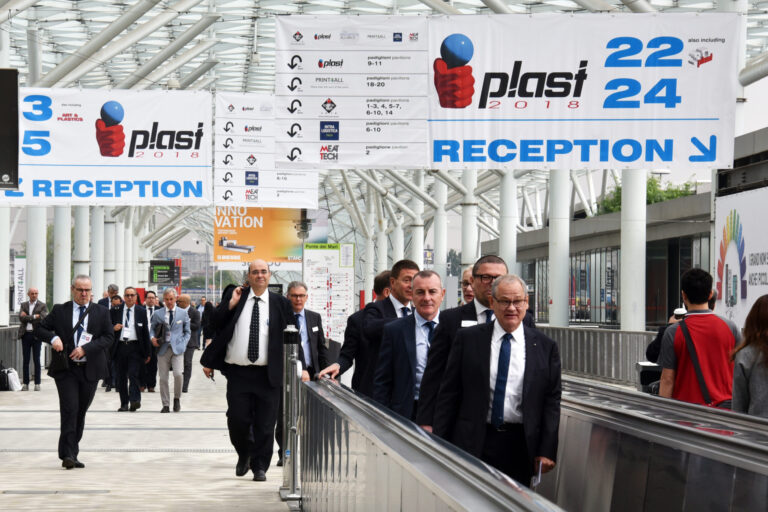
The major themes that are characterizing the entire plastics and rubber industry and its market will be a focus at PLAST 2023, scheduled for 5–8 September at the Fiera Milano fairgrounds in Rho-Pero. The spotlight is on innovation and opportunities offered by developments in production paradigms in a circular-economy perspective that, together with sustainability and energy savings, represent the key themes at PLAST 2023.

These themes are central not only in the products, services, and systems on display, but also as regards the fair itself, this year aiming to achieve the best performance in terms of sustainability. A part of this process has been made possible by Fiera Milano, which has taken a sustainable event management system approach involving control of logistics, wastes, and food services to reduce the environmental impact, including CO 2 emissions, associated with the organization and conduct of PLAST 2023.

Promaplast, the organizer of PLAST, aims to represent a virtuous example of this concern and to observe the core rules of sustainability that are now considered an objective that can no longer be postponed. One of the aspects characterizing this approach is installations that meet standards of ecodesign and food services such as those put forward by the Fondazione Banco Alimentare, which is closely attuned to the associated issues.

And that is not all. For the first time, Promaplast offers the possibility of implementing a carbon footprint assessment process in time to allow companies to announce their initial results already at PLAST 2023. The calculation of a company’s carbon footprint is the most immediate and universally accepted method for representing and communicating the environmental impact of an organization. The process uses the parameters developed by the United Nations Intergovernmental Panel on Climate Change (IPCC), applying internationally recognized protocols (GHG Protocol and ISO 14064). Expressing a company’s activities in terms of atmospheric carbon dioxide equivalents is a measure of concern for the environment and demonstrates the commitment to meeting the core rules of sustainability that are now considered an added value.

Together with technological innovation, the theme of sustainability will pervade the six halls of the fair, part of an exhibition that covers everything from materials to processing, from finished products to services and the most advanced solutions developed by manufacturers of plastics and rubber processing machinery, equipment, and moulds.

After having introduced in May 2022 the exhibition-convention GREEPLAST – focused on the sustainability of materials, technologies, and transformation processes for plastics and rubber – PLAST 2023 too will showcase excellence of innovation in the key of green: from increasingly sustainable and environmentally friendly materials to machinery with reduced energy consumption for processing bio-based and recycled polymers and from processes that make it possible to use less raw materials without compromising on performance to sorting and recycling systems.

The calendar of side events will be an opportunity for further depth and exchanges on the state of the art and the challenges to evolving towards an increasingly sustainable economic model.

In the meantime, the PLAST presentation tour continues with a presence in a number of relevant fairs, including EQUIPLAST in Barcelona, PLASTEXPO in El Jadida (Morocco), and Saudi PPP in Riyadh.

On the occasion of the specialized exhibition in Morocco, the theme of sustainability and, more specifically, recycling of post-consumer plastics, was developed in a technology seminar on Thursday, 8 June, organized by AMAPLAST (Italian Plastics and Rubber Processing Machinery and Moulds Manufactures Association, which supports PLAST) in collaboration with ICE-Agenzia and the Fédération Marocaine de Plasturgie. An Italian expert illustrated the most recent and innovative technologies in this area on the level of systems and processes, presenting to the local operators market trends and prospects and the investments required to implement solutions meeting the needs of the “green transition” undertaken by the Government of Morocco.

The future of the plastics and rubber industry is thus on display in Milan from the 5th to the 8th of September in an event for which over 1,200 exhibitors have already reserved their stands and official buyer delegations are expected from at least thirty countries. Early registration is open for professional operators who wish to engage with specialized products, systems, and services and full-spectrum responses to their needs in terms of products, technology, solutions, and business opportunities.

www.plasonline.org


#modernplasticsindia #plasticmagazine #indianmagazine #indianplasticmagazine #modernplasticsaward #ginujoseph #modernplastic #plasticindia #plasticnews #plasticrecycling #modernplasticsglobalnetwork #modernglobalnetwok #modernplasticsaward2023 #PlasticIndustry #plasonline

Karsan the Leader of Electric Public Transport Park in Romania!

Karsan the Leader of Electric Public Transport Park in Romania!

Karsan Electrifying Public Transport in Romania!

240 Karsan-Branded Vehicles to Go into Service in Romania Until the End of the Year!

Karsan, which keeps taking great steps to become a global brand, maintains its work to spread its success in Europe to its target markets as well. Stating that Romania is a very substantial market for Karsan, Karsan CEO Okan Baş said, “Romania is a country that adapts very quickly to electric transformation in public transport. We also respond to this momentum thanks to our high-tech electric products in all sizes ranging from 6 meters to 18 meters. In terms of rapidly adapting to the technological transformation, the dynamism of Karsan brand and the dynamics of Romania coincide with each other.” Emphasizing that the electric vehicle park in the country will reach 240 units with the tender they have recently won from the city of Chitila for 23 electric city buses, Okan Baş said, “We are continuously working to put even more Karsan electric vehicles into service here with AAR, our distributor in Romania.”

Karsan, which plays a leading role in the electrification of the transport infrastructure in Europe, attracts the attention of other countries with the high-tech models it has developed. Karsan, which has taken great steps to become a global brand, continues to reap the fruits of its efforts in European markets. In this context, Karsan is also rapidly cementing its presence in Romania, one of its key markets, with the tenders it has successively won.

Karsan is placed on the top in terms of electric city minibus and bus park!

Maintaining its operations in Romania with its distributor Anadolu Automobil Romania (AAR), Karsan has reached a park of 180 electric vehicles in 15 cities since 2019. With the tender recently won from Chitila, this figure will rise to 240 vehicles at the end of 2023. Karsan, which attracts attention with its high-tech electric vehicles, reached the largest electric minibus and bus park in Romania between 2019-2022, according to the Chatrou report. Stating that Romania is a very substantial market for Karsan, Karsan CEO Okan Baş said, “Romania is a country that adapts very quickly to electric transformation in public transport. We also respond to this momentum thanks to our high-tech electric products in all sizes ranging from 6 meters to 18 meters. In terms of rapidly adapting to the technological transformation, the dynamism of the Karsan brand and the dynamics of Romania coincide with each other.” Expressing that they have enabled full electric models to take the road in succession since 2019, Okan Baş said, “We, as Karsan, ranked second in the electric minibus and bus market in Romania in 2022 by having a share of 21 percent. Our vehicles are in operation across 15 different cities in Romania. With the tender, which we have recently won in the city of Chitila and covers 23 electric vehicles, our vehicle park in the country will reach 240. Along with AAR, our dealer in Romania, we are continuously maintaining our efforts to put more Karsan electric vehicles into service here.”

We are the leader in Europe with Karsan e-JEST and e-ATAK!

Emphasizing that Karsan has played a pivotal role in the transformation of public transport in Europe, Okan Baş said, “Karsan e-JEST became the best-selling electric minibus in Europe in 2022 as well, following 2020 and 2021. Our fully electric e-ATAK model, on the other hand, managed to keep the leading position in the European market in 2022 as well, just as it did in 2021. Karsan will also carry its growth rate and sales success in Europe to the North American market.”

www.canyas.com


#modernplasticsindia #plasticmagazine #indianmagazine #indianplasticmagazine #modernplasticsaward #ginujoseph #modernplastic #plasticindia #plasticnews #plasticrecycling #modernplasticsglobalnetwork #modernglobalnetwok #modernplasticsaward2023 #PlasticIndustry #canyas

FMI’ Analyst view: “Beyond Transplants: The Future of Cardiac Support”

FMI’ Analyst view: “Beyond Transplants: The Future of Cardiac Support”

The global cardiac assist devices market is poised to surpass US$ 1.37 billion by 2023, surging at a remarkable CAGR of 6.1% through 2033 to reach US$ 2.48 billion.

The incorporation of advanced technology such as the Internet of Thinking and rising investment from leading players results in market growth.

The technologies utilized to create cardiac devices have advanced dramatically during the past ten years, and so have the indications for these devices. Due to this, many patients are now being handled with cardiology devices, which have had exponential therapeutic and monitoring outcomes.

The development that has had a big positive effect on cardiology is artificial intelligence, which has increased diagnostic skills for some cardiac disorders.

What is the Impact of Demand for Minimally Invasive Devices on the Market?

  • Integration of cutting-edge technologies such as artificial intelligence and the Internet of Things has led to technological advancements in cardiac assist devices, propelling an increase in demand.
  • The growing presence of robots and automated devices in operating rooms has created a need for minimally invasive devices, resulting in a surge in sales of cardiac assist devices.
  • State-of-the-art technologies and a rising number of patients preferring non-invasive devices have contributed to the increased demand for implantable devices. Benefits such as fast recovery and short hospital stays are driving the demand for non-invasive options.
  • The soaring demand has prompted key players to engage in research and development activities, focusing on innovation in cardiac assist devices.
  • Market players are particularly focused on developing small centrifugal pumps that enable less-invasive implantation procedures.
  • The adoption of minimally invasive techniques in cardiac procedures has led to a shift in the market landscape, with an emphasis on developing and improving technologies that enable less invasive interventions.
  • The demand for minimally invasive devices has led to improved patient outcomes, including short recovery times, reduced hospital stays, and few post-operative complications.
  • The increasing demand for minimally invasive devices is expected to continue driving market growth and expand treatment options for patients requiring cardiac assist devices.

How are the High Cost and Risk Associated with Ventricular Assist Devices Expected to Restrict Growth?

  • The high cost and associated risks of ventricular assist devices pose a restriction on market growth.
  • Patients in developing economies, such as Africa and India, are unable to afford the cost of these devices, limiting their accessibility.
  • While healthcare professionals highly recommend ventricular assist devices, risks such as pump thrombus, suction events, and infections present challenges for market players.
  • After the implantation of left ventricular assist devices (LVAD), around 60% of patients experience complications within 6 months, and 80% suffer from at least one adverse effect after a year, as reported by the European Society of Cardiology.
  • Unplanned hospital revisits are common for patients who have undergone LVAD transplantation, further highlighting the challenges and risks associated with these devices.
  • The risks represent potential threats for market players and are expected to hinder the demand for ventricular assist devices.

Country-wise Insights

Why is the United States of America Likely to Remain at the Forefront of the Cardiac Assist Devices Market?

Over the past few years, the United States of America has been in the lead in terms of healthcare. Increasing cases of cardiovascular disease contributed to the country’s market share of 51.7% in 2022.

Technological advancements in the field of cardiac assist devices are one of the key factors driving growth. The rising prevalence of heart failure within the country has increased the demand for ventricular assist devices. Furthermore, healthcare professionals and scientists are incessantly working on developing next-generation ventricular assist devices.

Thanks to the presence of leading players such as Medtronic PLC., and Abbott Laboratories, the development of cardiac assist devices and new launches, have significantly improved the market revenue.

Increasing preference for non-invasive, portable, and implantable devices has also accelerated the market growth in the country. Leading healthcare companies are developing products in the pipeline focusing on minimally invasive ventricular assist devices. For instance,

In March 2020, the United States of America-based healthcare giant, SynCardia Systems LLC, got approval from the United States of America Food and Drug Administration (FDA) for a 50cc temporary total artificial heart system as a bridge to heart transplant for patients who are at imminent risk for death from biventricular failure.

With the rising incidence of cardiovascular disease in the country, the number of heart transplant surgeries is increasing at a mounting pace. However, the severe shortage of organ donors has resulted in increasing demand for heart devices. The increasing number of patients opting for cardiac assist devices in the United States of America fuels the market growth during the forecast period.

How does the Market in India Emerge as a Notable One for Cardiac Assist Devices?

As per Future Market Insights, India is anticipated to be one of the highly profitable markets of South Asia in the cardiac assist devices market with a projected CAGR of 5.1% from 2023 to 2033.

The expansion of the healthcare sector and the development of ventricular assist devices are affecting the market growth positively. The prevalence of heart failure in the country has resulted in increased demand for cardiac assist devices. Additionally, increased government funding and initiatives for the development of healthcare facilities are likely to boost growth across India.

India is the top country with a high diabetic population, and nearly 77 million people suffer from diabetes, estimates International Diabetes Federation. Diabetes is the primary cause of developing major heart disease. One-fifth of the Indian population succumb due to coronary heart disease.

India is witnessing a simultaneous uptick in the number of heart failure, especially among the younger population due to the rising cases of coronary heart disease. With the increasing burden of heart failure in the country, patients are opting for minimally invasive procedures. This, in turn, has increased the demand for ventricular assist devices, especially left ventricular assist devices in India.

Growing government funding and initiatives are also aiding the growth of the cardiac assist devices market. For instance, the Government of Assam Health and Family Welfare has introduced a scheme in which government bears the expenses of surgery for children with coronary heart disease.

What are the Factors Driving Revenue Generation in the United Kingdom Market?

Growth in the United Kingdom for cardiac assist devices is attributable to the increasing technological advancements in the field of ventricular assist devices, where the United Kingdom garnered a revenue share of 6.4% in 2022.

With the rising prevalence of coronary heart diseases resulting in heart failure, the adoption of ventricular assist devices is improving. Furthermore, the expansion of healthcare infrastructure and leading companies focusing on the development of next-generation cardiac assist devices have improved the adoption of ventricular assist devices.

Leading player based in the United Kingdom, Calon Cardio-Technology, for instance, intends to receive CE marking fulfilling the European products requirement for its ventricular assist device, commonly known as, MiniVAD.

Increasing investment in the development of these devices is creating incremental opportunities for cardiac assist devices in the country. With patients now opting for minimally invasive devices for the treatment of heart failure, demand for ventricular assist devices is burgeoning across the United Kingdom.

What Factors Support the Growth of Cardiac Assist Devices in Germany?

As per Future Market Insights, Germany is anticipated to lead the growth of Europe’s cardiac assist market, holding a value share of 11.2% in 2022 globally.

Technological advancements and innovation in ventricular assist devices are key growth factors driving the demand for cardiac assist devices in Germany. Moreover, companies are investing hugely in the development of cardiac assist devices to cater to the increasing demand.

Increasing initiatives and funding from the government are also aiding the growth of the cardiac assist devices market in Germany. Further, leading players such as Biotronik, are developing next-generation implantable and ventricular assist devices for patients suffering from heart failure.

In July 2021, BIOTRONIK’s implantable cardiac monitor received recognition as a high-performing noiseless, and high-precision technology.

How is the Competitive Landscape in the Cardiac Assist Devices Industry Structured?

As per FMI’s analysis, continuous innovation and gradation in cardiac assist devices have led to intense competition among top market players.

Key players are focusing on new product launches and gaining approvals from regulatory bodies to stay in the competition. Nearly 75% of the global market share is accounted for by the top 7 players operating in the cardiac assist devices market.

Organizations are also adopting winning strategies such as collaborations and mergers among key players. These strategies are also adopted by regional players to gain a leading position in the industry.

www.futuremarketinsights.com


#modernplasticsindia #plasticmagazine #indianmagazine #indianplasticmagazine #modernplasticsaward #ginujoseph #modernplastic #plasticindia #plasticnews #plasticrecycling #modernplasticsglobalnetwork #modernglobalnetwok #modernplasticsaward2023 #PlasticIndustry #futuremarketinsights

Reactor Replacement Over a Long Distance

Reactor Replacement Over a Long Distance

Smart lifting solution minimized disruptions to ongoing operations

At the POX methanol plant at the chemical site in Leuna, Germany, all reactor units, consisting of reactor, sub-reactor and waste heat exchanger, are to be replaced. TotalEnergies Raffinerie Mitteldeutschland GmbH, operator of the plant and Europe’s largest methanol producer, was looking for capable partners for this project. Mammoet was contracted to replace the first and the second reactor.

A complete shutdown of the plant was not possible, as the required production volume had to be always guaranteed. Therefore, only one reactor at a time could be removed and replaced. What was required, therefore, was a flexible and safe solution that would disrupt operations as little as possible.

Lifting the sub-reactor on the pre-assembly area.

Engineering study delivered most efficient solution

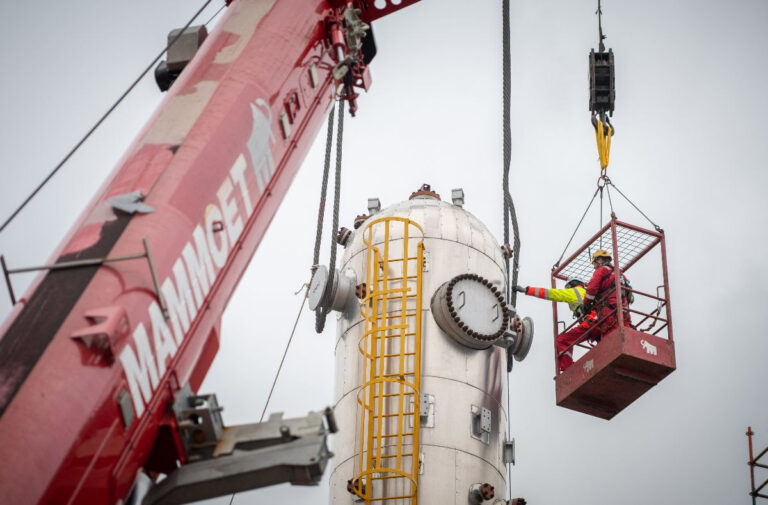
A preliminary engineering study carried out by Mammoet concluded that the most efficient solution to replace the reactor unit would be to use a Liebherr LR 1750 crawler crane. It can lift and move a load of 140t at the same time, as well as perform all other lifting operations. This was necessary because, due to space limitations, the pre-assembly and storage area for the components was located approx. 200m from the installation position.

In order to safely lift the steel construction module, completely fitted with equipment, whose center of gravity could not be precisely calculated but was in any case off-center, Mammoet used its specially developed COGAS winch with four-point rigging.

The winch acts as a center-of-gravity balancing system. The operator controls the winch via a remote control and can change the length of the individual rope strands so that the crane hook exactly matches the component`s center of gravity.

Pivoting the sub-reactor in the direction of the plant.

By offering everything from a single source, from engineering to crawler crane delivery with rigging to execution with its own personnel and special equipment, the team reduced the number of interfaces and contributed to safe project execution while the plant was in operation.

Intensive preparation and cooperation ensure early completion

The mobilization and preparation of the crawler crane took place over the New Year. Despite the holidays, the team’s high level of dedication meant that the crane was ready to lift on time.

First, the old reactor and the old sub-reactor were removed one by one, transported by the crawler crane to the laydown area about 200m away, and stored there. Special demolition chains were used for rigging. The heavy-duty rigging was then modified, and the new components were lifted into place with the LR 1750.

The new sub-reactor, weighing 120t, was already stored upright at the pre-assembly area. It was attached, lifted, moved around 200m to the plant on the hook of the crawler crane and pivoted into place. The new reactor, weighing 140t, followed in the same way.

Finally, the steel construction module, weighing 100t, was lifted and moved safely into position using the Mammoet COGAS winch.

Lifting the sub-reactor to the installation position.

Mammoet’s smart solution allowed the safe and timely replacement of the reactor and associated components. Thanks to the very good cooperation with all parties involved, Mammoet’s well-coordinated team was able to complete all work ahead of schedule.

For more information, visit www.mammoet.com


#modernplasticsindia #plasticmagazine #indianmagazine #indianplasticmagazine #modernplasticsaward #ginujoseph #modernplastic #plasticindia #plasticnews #plasticrecycling #modernplasticsglobalnetwork #modernglobalnetwok #modernplasticsaward2023 #PlasticIndustry #mammoet