15.4 C
Korea
Wednesday, July 8, 2026
Home Blog Page 75

Micro Molding and the Future of Biomedical Applications

Micro Molding and the Future of Biomedical Applications

Paul Runyan, VP Sales & Marketing, Accumold

In the dynamic medical field, micro molding has increasingly become the foundation for innovation, particularly in the creation of cutting-edge biomedical devices. This article explores the transformative impact of micro molding within the biomedical industry, and highlights how the unparalleled precision, scalability, and customization offered by micro molding are paving the way for future breakthroughs in patient care. Furthermore, we examine how these technologies facilitate the miniaturization of devices, making procedures less invasive and more efficient, thereby significantly enhancing patient outcomes. The insights presented underscore the critical role that micro molding plays not only in current medical device development but also in shaping the future landscape of healthcare technologies.

MICRO MOLDING

Micro molding is a specialized manufacturing technique that involves the production of extremely small components, crafted from broad palette of different polymers, and characterized by their high precision and meticulous accuracy. The significance of micro molding is highlighted by its critical role in the development of miniature medical devices featuring intricate shapes and made from advanced, high-performance materials, which are increasingly required for innovative healthcare applications. These applications include, but are not limited to, tiny implants, sophisticated surgical tools, and advanced diagnostic equipment. This capability to fabricate small-scale, complex components is essential as it supports the advancement of medical technology and enhances the functionality and effectiveness of medical treatments.

The primary advantage of micro molding lies in its exceptional precision. This technique is essential for producing medical devices such as stents, catheters, and wearable sensors that must meet not only specific dimensional requirements but also stringent health and safety standards. Micro molding achieves this by allowing the production of components with ultra-fine tolerances, often in the range of just a few microns, and it does this repeatably, there being a demand for zero failure rates in safety critical applications.

Additionally, scalability plays a crucial role in the widespread adoption of micro molding for medical applications. Once a mold is precisely engineered, manufacturers can rapidly produce large quantities of components. The capability to scale up production means that components can be manufactured in the thousands or millions, facilitating quick distribution and significantly reducing the cost per unit. Such scalability is particularly advantageous for the production of high-volume items like medical diagnostic test strips, which require consistent quality and reliability.

Another significant benefit is the extensive customization possibilities micro molding allows. The process can be finely adjusted to create unique geometries tailored to specific medical needs. This level of customization not only applies to the physical shape of the components but also extends to the choice of materials used, enabling the production of devices that meet exact requirements for flexibility, biocompatibility, or biodegradability. By combining these customized solutions with micro-level precision and scalability, micro molding stands out as a transformative technology in the biomedical field, supporting innovations and improving patient care

accumold pupil dilater

IMPACT ON PATIENT CARE

The miniaturization of medical devices through the use of micro molding is significantly transforming patient care. By reducing the size of these devices, they become less invasive and more comfortable, enhancing patient comfort and potentially accelerating recovery times while minimizing the risk of post-operative complications. For example, smaller implants can be placed through less substantial incisions, minimizing tissue damage and promoting quicker healing.

Additionally, micro molding allows for the seamless integration of sophisticated electronic components within medical devices. This advancement heralds a new era in personalized medicine, where devices are not only capable of passive tasks but can actively monitor vital signs, administer medications, and dynamically adjust their operations based on real-time changes in the patient’s condition. This capability could lead to highly individualized treatments and interventions, further improving medical outcomes and patient well-being.

PIONEERING TECHNIQUES AND INNOVATIONS

Companies like Accumold are leading innovators in the field of micro molding, consistently pushing the limits of what can be achieved in manufacturing tiny, precise components. Accumold excels in creating micro-molded plastic parts that are used across various critical sectors such as medical, the company utilizing proprietary micro molding techniques to manufacture parts that are not only smaller than a grain of sand but also feature intricacies that measure just a few microns across.

The sophistication of Accumold’s operations is reflected in the company’s in-house production of specialized micro tooling designed specifically for the vagaries of micro-scale production. The company also uses advanced polymers that are tailored to the specifics of a particular application, ensuring that each part meets rigorous standards of quality.

Accumold’s pioneering work in the area of micro molding is especially significant in the medical industry, where its advancements are making way for the development of more complex, reliable medical implants and devices. This technological progress is crucial for the evolution of medical treatments and equipment, setting new benchmarks in the healthcare sector and beyond. Their ongoing commitment to innovation and excellence in micro molding continues to open up new possibilities and applications, driving forward the capabilities of miniature manufacturing technology.

One such is the recent announcement that Accumold has found a way to micro mold thin wall cannulas in very high volumes. Micro injection molding enables the creation of intricate and consistent cannula designs with precise wall thickness control. It eliminates the need for separate extrusion, tipping, and gluing steps by producing the entire cannula in a single mold, enhancing product reliability and reducing the risk of defects. This approach not only improves the quality and reliability of the cannulas but also offers a more scalable and cost-effective solution for meeting the demands of high-volume production in the medical industry. Micro molding cannulas at volume with an outside diameter of 0.035”  (0.889 mm), an inside diameter is 0.027” (0.6858 mm), and a wall thickness of 0.004” (0.1016 mm) is routine at Accumold.

FUTURE DIRECTIONS AND TECHNOLOGIES

The future of micro molding in biomedical applications looks highly promising, with several innovative directions that could significantly impact medical treatments and patient care. One key area of interest is the use of biodegradable polymers, which are already used in — but are poised to revolutionize — the field of implantable medical devices. These polymers can be used to create temporary implants or scaffolds that naturally dissolve within the body once they have served their intended purpose. This capability effectively eliminates the need for a subsequent surgical procedure to remove the implants, thereby reducing the overall risk and discomfort for patients.

Furthermore, the integration of nanotechnology with micro molding represents another exciting frontier. By embedding nanoparticles or nanostructures into the molded components, manufacturers can dramatically enhance the functionality of these devices. For instance, the addition of nanoparticles can increase the electrical conductivity or thermal resistance of the implants, which can be crucial for devices that require these properties to function correctly. Additionally, incorporating nanostructures can lend antimicrobial properties to the implants, greatly reducing the risk of infections post-surgery and during the healing process.

These advancements not only aim to improve the quality and efficacy of medical treatments but also strive to reduce the overall healthcare costs by minimizing the need for additional surgeries and by extending the longevity and functionality of implantable devices. As research continues to advance in these areas, the possibilities for new applications and improvements in micro molding technology are virtually limitless, promising a new era of sophisticated, tailor-made biomedical solutions that cater directly to the evolving needs of patients and healthcare systems worldwide.

CHALLENGES AND CONSIDERATIONS

Despite its numerous advantages, micro molding also confronts several challenges. The exceedingly precise nature of this manufacturing process necessitates advanced design strategies and meticulous quality control measures to guarantee that every component adheres to the required specifications. Furthermore, the creation and integration of innovative materials and processes demand substantial investment in research and development. Obtaining regulatory approval for these new methodologies can be a complex, time-consuming, and expensive endeavor.

This requirement for continuous innovation and compliance can significantly slow down the speed to market, impacting the overall efficiency and cost-effectiveness of micro molding projects. Additionally, the high level of technical expertise required to implement and manage these sophisticated processes can pose a barrier to entry for many companies, potentially limiting the broader adoption of micro molding technologies in various industries. This all shows the necessity of working with an experienced and expert micro molding innovator like Accumold which can act as your qualified micro molding partner and help you navigate the challenges inherent in the process.

SUMMARY

Micro molding technologies hold a key to future biomedical advancements, offering unmatched precision, scalability, and customization for medical device manufacturing. As the technology continues to evolve, it promises to further revolutionize patient care, making treatments less invasive, more effective, and highly personalized. The ongoing developments and innovations in this field are not just enhancing existing applications but are also opening up entirely new possibilities in the medical sector.

This exploration of micro molding technology underscores its vital role in shaping the future of biomedicine, highlighting both the current capabilities and the potential for future breakthroughs that could redefine healthcare as we know it.

www.accu-mold.com

#Accumold #modernplasticsindia#indianplasticmagazine#modernplasticsaward #plasticnews #modernplasticsgermany#ginujoseph#modernplastic#plasticindia  #plasticrecycling#sustainability#modernplasticsglobalnetwork#modernglobalnetwork #modernplasticsaward2023#plasticmagazine#PlasticIndustry#modernplasticsmiddleeast #indianmagazine#innovations#modernplasticsamerica#modernplasticsbangladesh #modernplasticsasia #modernplasticsitaly

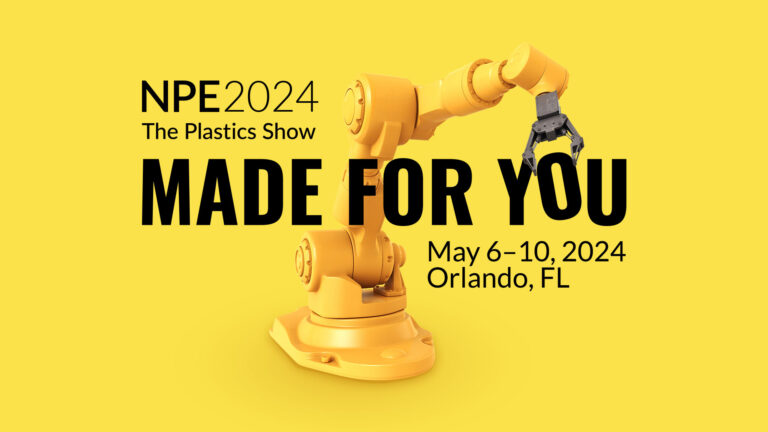
Record-Breaking NPE2024: The Plastics Show Officially Wraps in Orlando

Record-Breaking NPE2024: The Plastics Show Officially Wraps in Orlando

NPE2024 Captivates and Inspires Global Leaders and Rising Stars  to Shape the Future of the Plastics Industry

 NPE2024: The Plastics Show concluded a momentous week with an incredible turnout that has reinforced its position as the premier plastics industry event in the Americas. Over 50,000 registrants signed up for the show.

This year’s show welcomed new faces, with 63% of attendees experiencing their very first NPE. NPE2024 has made history with one of the youngest audiences ever recorded. 30% of attendees were under the age of 40, marking the growing enthusiasm for innovation, sustainability and the promising future of the plastics industry.

NPE2024’s global reach reestablished its reputation as the international gathering place of the plastics industry in the Americas. More than 15,000 international registrants marked the most international show in NPE’s history. Representatives from 133 countries – or 68.2% of nations worldwide – registered to attend the global plastics trade show. This is a 9.9% increase of countries registered at NPE2018, demonstrating the exchange of industry innovation and ideas on a global scale, and further shaping the path of international plastics collaboration and solutions. This strong international presence was further underscored by sold-out events like the FLiP & Sip Reception, drawing in more than 1,000 attendees and the Women in Plastics Breakfast, which attracted almost 600 attendees

“Witnessing the entire plastics industry reunite at NPE2024 was truly inspiring,” said Matt Seaholm, PLASTICS’ President and CEO. “We were thrilled to welcome familiar attendees, visitors from all over the globe and the next generation of plastics professionals. We cannot wait to see the incredible innovations and collaborations that will emerge from everyone who attended and are proud to say that we produced a historic, can’t-miss event in the plastics industry.”

To get a recap of NPE2024, visit npe.org/npetv for daily episodes of the innovations on the show floor. The NPE team looks forward to the next show happening May 3-7, 2027, in Orlando, FL. For updates on NPE2027, visit NPE.org.

The Plastics Industry Association (PLASTICS) is the only organization that supports the entire plastics supply chain, including Equipment Suppliers, Material Suppliers, Processors, and Recyclers, representing over one million workers in our $548 billion U.S. industry. PLASTICS advances the priorities of our members who are dedicated to investing in technologies that improve capabilities and advances in recycling and sustainability and providing essential products that allow for the protection and safety of our lives. Since 1937, PLASTICS has been working to make its members, and the seventh largest U.S. manufacturing industry, more globally competitive while supporting circularity through educational initiatives, industry-leading insights and events, convening opportunities and policy advocacy, including the largest plastics trade show in the Americas, NPE2024: The Plastics Show.

npe.org

#NPE2024#modernplasticsindia#indianplasticmagazine#modernplasticsaward #plasticnews #modernplasticsgermany#ginujoseph#modernplastic#plasticindia  #plasticrecycling#sustainability#modernplasticsglobalnetwork#modernglobalnetwork #modernplasticsaward2023#plasticmagazine#PlasticIndustry#modernplasticsmiddleeast #indianmagazine#innovations#modernplasticsamerica#modernplasticsbangladesh #modernplasticsasia #modernplasticsitaly

Focus on extenders & fillers: Bismuth – An environmentally friendly Critical Mineral with growing consumption in new technologies and the green economy

Focus on extenders & fillers: Bismuth – An environmentally friendly Critical Mineral with growing consumption in new technologies and the green economy

Robin Goad, President & CEO, Fortune Minerals Limited, gives a comprehensive overview of bismuth, one of the common extenders and fillers for the coatings industry, including its applications, developing markets, challenges and opportunities in the market

Robin Goad, President & CEO

The world is in a transformational energy transition to renewable power systems and new technologies enabled by a completely different suite of raw materials needed to support the growing green economy. Many of these materials are commonly referred to as “Technology Metals” and are identified on country specific “Critical Minerals” Lists. Minerals considered “Critical” have important uses in essential industries and defense, cannot be easily substituted by other materials, and have concerns about their current sources of supply due to geographic concentration of production, geopolitical issues and/or policy risks, or they may come from countries with Environmental-Social Governance (“ESG”) practices that are not aligned with western democratic standards and values.  New supply sources in reliable countries are therefore needed to diversify production and mitigate risks.

Bismuth is identified as a Critical Mineral by most Western economies because of its unique physical and chemical properties, growing consumption, and supply chain risks due to China’s control over 75% of the global production and 60% of world reserves.  The bismuth market is approximately 20,000 metric tonnes per annum, but consumption is expected to grow at about 7.5% CAGR between now and 2030.

Bismuth is a silvery-white metal that can give colourful iridescent tinges on oxidised surfaces. It has very high density, a low melting temperature and it is the most diamagnetic of all metals. Bismuth also has very low thermal conductivity and high electrical resistivity, but when deposited in sufficiently thin layers on a substrate, it is a good semiconductor. When alloyed with copper and strontium, bismuth is a superconductor. Bismuth is also one of the few metals that expands when cooled, increasing the volume by 3.32% on solidification.  It is therefore used to make low-melting temperature typesetting alloys and castings where it compensates for the contraction of the other alloying metals to form isostatic or dimensionally stable alloys or compounds.  Bismuth is also non-toxic, environmentally safe and has anti-bacterial properties, leveraged in the pharmaceutical and cosmetics industries to make medicines like Pepto-Bismol .

Bismuth applications

Bismuth coatings have historically been responsible for the greatest demand in the bismuth market, particularly from the automotive sector.  Glass frits are decorative coatings applied to automotive windshields and glass panels to protect the glues that seal and bond the glass to the car frame.  The high density of bismuth provides a barrier to block sunlight and also protects the seal from expansion and contraction during changing temperatures.

Some automotive manufacturers use bismuth containing alloys to coat metal frames and body panels to provide protection from corrosion. The low melting temperature of bismuth reduces energy consumption in the melt and the expansion properties during cooling reduces and the risks from shrinkage cracking when the hot metal alloy cools after being electro-plated.

Bismuth Vanadate pigments are valued for their bright yellow, highly saturated colours characterised by outstanding opacity/hiding power, chemical resistance, excellent weatherability and durability. Bismuth mitigates lead-toxicity concerns in this application and is environmentally safe. Bismuth iridescence is also leveraged to make pearlescent paints and metallic paint lustres.

Bismuth also has non-coating applications in the automotive industry, including self-lubricating abrasives used to make clutch and brake friction pads.

In the residential and commercial construction industry, the low melting temperature and reduced volume of bismuth during heating is leveraged to make the trigger mechanisms for fire depressant sprinkler systems. These properties are also valued in the nuclear energy industry, with some reactor designs using bismuth as a reactor coolant. The high density is also now used to make no-toxic radiation shielding foils and x-ray bibs.

Growth and developing markets for bismuth

Growth in the bismuth market is primarily attributed to lead replacement because of concerns over lead-toxicity and legislation that has banned lead use in potable drinking water sources, consumer products and for workplace materials.  Bismuth is scientifically recognised as environmentally safe and non-toxic, but otherwise has similar physical and chemical properties to lead. It is therefore used to replace lead in brasses and solders used for the wetted surfaces of potable drinking water sources (e.g. faucets, valves and water metres).  Bismuth solders are also used in the electronics industry.  Bismuth also replaces lead in free machining steels and aluminium, hot dip galvanising alloys, radiation shielding, glass, ammunition, and fishing sinkers.

There is a new, rapidly expanding market for bismuth metal, making environmentally safe, high density and impermeable plugs to permanently seal oil and gas wells when they are decommissioned, preventing greenhouse gas leakage, blowouts and groundwater migration.  Bismuth-tin alloy is used in this application because of the low melting temperature and low viscosity of the melt which fills the porosity. The alloy expands 1% upon cooling to make an impermeable seal to permanently plug the hole and eliminate greenhouse gas leakage.  Tin is used in the alloy to mitigate the brittleness of bismuth and reduce the expansion properties of bismuth so that the host rock is not fractured from the expansion.  This method is now used extensively for offshore well plugging in the North Sea and Gulf of Mexico, where individual plugs can consume up to 10 tonnes of metal.  The method already accounts for approximately 10% of bismuth metal consumption and is now being used to plug terrestrial wells. Notably, there are more than a million abandoned oil and gas wells in North America alone that have been improperly decommissioned and are leaking gases into the atmosphere.

Another important developing market for bismuth metal is in the manufacture of manganese-bismuth permanent magnets. The performance of these magnets was recently validated by the U.S. Department of Energy at their Pacific Northwest Laboratory and they were found to be cheaper and superior to rare earth element (REE) magnets in some applications.  The magnets have potential use in the powertrains for electric vehicles (EV’s) with direct current (DC) powertrains, which dominate the EV industry.  Two Korean magnet companies and an unidentified OEM are in the process of commercializing theses manganese-bismuth magnets for eMobility.

Bismuth is used in defense to make directed energy weapons.  This, and other applications led the U.S. Department of Defense to add bismuth to the list of Critical Minerals prioritised for DPA Title III funding support.

The bismuth price in North America is approximately US$4 to US$4.50 per pound and reflects a 25% tariff levied on Chinese bismuth supply by the U.S. Government.  The price has been steadily recovering from increased market demand and absorption of a previous surplus of metal that was held by the now defunct Fanya Metals Exchange in China.  Prior to this surplus, the price had traded between US$8 to US$10 per pound and attained has reached a historic high price of US$23 per pound.

Fortune Minerals Limited (Fortune) is developing its vertically integrated NICO Cobalt-Gold-Bismuth Copper Project in Canada, comprised of a planned mine and concentrator in the Northwest Territories and a hydrometallurgical refinery near Edmonton, Alberta. While primarily a cobalt-gold project, NICO is the largest deposit of bismuth in the world, containing 12% of global reserves.  When it is developed, the NICO Project will produce cobalt sulphate for the lithium-ion battery industry, gold doré, bismuth ingots and copper, as well as gypsum as a process by-product.  The NICO Project will provide an important new North American source of cobalt, bismuth, and copper Critical Minerals to diversify the supply chain with a countercyclical and liquid gold co-product.

The NICO Project is an advanced development stage asset that Fortune has already expended more than C$137 million to advance from an in-house mineral discovery to a near shovel-ready development asset with a positive Feasibility Study, environmental assessment approval and the major mining permits.  The NICO Project Feasibility Study is planned to be updated at to reflect recent optimisations and average annual production of 1,800 metric tonnes of cobalt (~8,780 tonnes of cobalt sulphate), 47,000 Troy ounces of gold, 1,700 tonnes of bismuth in ingots, and 300 tonnes of copper in a cement precipitate. Fortune has also entered into a process collaboration agreement with Rio Tinto to assess the feasibility of processing waste streams from the Kennecott smelter in Utah, U.S.A. at the Alberta refinery and increase bismuth and cobalt production. This cross-border initiative is aligned with the U.S. – Canada Collaboration on Critical Minerals Supply. Fortune is also aware of other potential feed sources that could be processed at the Alberta refinery to augment metal production.

fortuneminerals.com

#MineralsLimited(Fortune)#modernplasticsindia#indianplasticmagazine#modernplasticsaward #plasticnews #modernplasticsgermany#ginujoseph#modernplastic#plasticindia  #plasticrecycling#sustainability#modernplasticsglobalnetwork#modernglobalnetwork #modernplasticsaward2023#plasticmagazine#PlasticIndustry#modernplasticsmiddleeast #indianmagazine#innovations#modernplasticsamerica#modernplasticsbangladesh #modernplasticsasia #modernplasticsitaly

Focus on Smart Coatings: LLM Fuels AI Innovations in the Coatings Industry

Focus on Smart Coatings: LLM Fuels AI Innovations in the Coatings Industry

Sarah Gibbons reports for PPCJ on how Large Language Models (LLM) is fuelling AI innovations that could transform the paint and coatings sector

From formula composition and supply chain logistics to regulatory compliance, defect identification and corporate reputation, paint and coatings industry companies are exploring the growing potential of artificial intelligence (AI).  

With AI taking many different forms, key to the paint and coatings sector’s adoption of more widespread AI options are LLMs (large language models), such as ChatGPT, GPT-4, Llama 2 and Mistral 7B: “By using LLM you can easily allow users to interact with AI in a human-readable way instead of using code, as well as allowing AI to work with vast amounts of unstructured data which may be in various different formats,” London-based AI consultant Garuka Serasinghe who works with AI consultancy Futura, told PPCJ.   

Dr Robail Yasrab, Senior Researcher in AI at the UK’s University of Cambridge, explained: “LLMs can help synthesise vast amounts of paint industry research data, identifying trends, innovations and potential improvements in paint formulations or manufacturing processes.”  

And he said by analysing and interpreting data from manufacturing pipelines, LLMs can support and identify issues that lead to defects or deviations in paint quality, thus developing more active quality control procedures and analytical maintenance strategies. 

However, he said, “the most prominent factor that could be taken care of by LLMs are the future enhancements in customer engagement” through personalised recommendations, virtual colour consultations and prompt responses to customer queries. There is also important potential for integration with virtual reality (VR) and augmented reality (AR) systems to optimise customer experience when selecting products.  

Serasinghe told PPCJ that, in the R&D phase, AI can be used to analyse many combinations of different chemicals and advise on which combination works best.  “For example, if we were to look for a light blue paint, which is mould resistant, AI can do its magic to come up with the best possible formulation for that,” he suggested.  Add in data from previous invoices and other raw material information and more detailed product viability can be established, he said.  

Using machine learning or deep learning solutions alongside LLMs, he said can maximise data processing power: “You can submit a whole bunch of previous reports [and] data to a software solution, and then ask questions like: ‘There is a new [EU] directive on CO2 emissions on paint manufacturing, limiting CO2 emissions to 100kg for 1,000 litres of paint. Given the previous CO2 emissions from using various power sources including main electricity, solar and wind, suggest the best option to achieve those emission targets with lowest cost to the company.”  

Kurt Cagle, an AI consultant from Seattle, USA, CEO of Semantical, an enterprise data hubs and metadata management consultancy, told PPCJ that LLMs can be trained to identify which material combinations would violate environmental laws. He said significant efforts are going into building interfaces between AI systems to allow more data querying that would benefit the coatings sector.  

For example, he said, regarding logistics, asking an LLM system a consignment’s location will not work, but that system now knows where to ask for that information.  

That would be the ‘mixture of experts’ (MOE), a machine learning technique that leverages the power of collective intelligence by merging insights from various specialised models. That includes expert databases, graphs and other LLMs “and ask for a map to be generated using that data to show expected delivery dates, weak points regarding port back-ups, revised alternative routes or material suppliers”.  

Serasinghe said LLMs quickly analyse customer feedback, channelling it to the appropriate mechanism, for example complaints or refunds, adding: “Understanding natural language, it can monitor social media to prevent wildfire issues spreading which can be damaging to a company’s reputation if unchecked.”  

And he agreed with Yasrab who suggested evolution in the LLM space in the next five years will focus on integration with other forms of AI, such as computer vision and predictive analytics, “leading to more broad and multi-faceted AI applications” in the coatings industry.  

A blog from analytics platform www.datatobiz.com said last July (2023) that computer vision and AI are being used to analyse images in bulk to develop smart coatings: “By understanding the functioning of the microstructures in the materials, a manufacturer can not only create more durable and better-quality paints but can also optimise production to reduce input costs,” it said.   

Serasinghe said such AI combinations can also identify defects and be used for predictive maintenance to keep machines working with less downtime.  

Meanwhile, Pittsburgh, USA-based AI solution provider Cognistx has launched a deep learning system using raw material and plant conditions data to help secure consistency in pH, colour and paint viscosity to reduce waste and associated costs.  

ALSO, AOM-Systems, based in Heppenheim, Germany, has launched a laser-based sensor and measurement system ‘SpraySpy’, using its integrated ‘SprayAI’ function to monitor paint droplet application.  

SprayAI algorithms detect even the smallest anomalies in spray according to set parameters, in real time, helping prevent many common paint coating defects.  

Monitoring the layer thickness enables it to detect if a minimum or maximum layer thickness is reached, which can be essential, for example in the application of a fire protection coating, said a company note.  

Also in Germany, Hirschau-based Dorfner, a raw minerals solutions provider, has partnered with generative AI platform for materials and chemicals Citrine Informatics, from California, to optimise paint formulations.  

A company note said: “Dorfner can now identify optimal ingredient combinations, refine formulations, and address customer requirements with greater precision and efficiency than ever before,” using AI algorithms and advanced data analysis based on a decade of historical data.  

Another service is the ‘Snap It Button’, from Ohio, USA-based paint producers Sherwin-Williams, which instantly turns any online image into “a personalised paint palette”, said a company note. The system lets the user select an image and instantly identify the Sherwin-Williams paint colours that correspond to the colours contained within the picture.  

The button can be downloaded onto a browser so any online image can be viewed and analysed.  

Meanwhile, French home improvement company Bricorama, based in the Paris suburb of Noisy-le-Grand, has joined forces with Dublin, Ireland-based global professional services company Accenture to launch ‘pAInt,’ a generative AI-powered shopping assistant that helps customers with their painting projects. It suggests trending styles, helps the purchase of materials and offers best practice guides on painting.  

A company note said ‘pAInt’ is a “conversational tool that customers can interact with for help with paint colours and finishes, decorating ideas from Bricorama’s video content, demonstrations, paint quantity, brushes and other accessories”.  

With research ongoing around the world, Dr Erik D Sapper, associate professor at California Polytechnic State University, predicted more areas of the paint production process aligning with diverse AI solutions soon to overhaul much of the industry’s traditional make-up.  

He told PPCJ: “Currently, automated laboratory equipment and processes require many person-hours of engineering, tinkering, programming, and troubleshooting. When human users can tell roboticised labs what to do in natural human language, the adoption and efficiency of digitalisation and roboticisation will flourish.”    

The coatings industry, it seems, is about to be front and centre of the inexorable drive to integrate AI into business.  

www.datatobiz.com

www.cognistx.com

#AI#Cognistx#Bricorama#modernplasticsindia#indianplasticmagazine#modernplasticsaward #plasticnews #modernplasticsgermany#ginujoseph#modernplastic#plasticindia  #plasticrecycling#sustainability#modernplasticsglobalnetwork#modernglobalnetwork #modernplasticsaward2023#plasticmagazine#PlasticIndustry#modernplasticsmiddleeast #indianmagazine#innovations#modernplasticsamerica#modernplasticsbangladesh #modernplasticsasia #modernplasticsitaly

Hempel to Divest J.W. Ostendorf and Renaulac as Next Step on Strategic Journey

Hempel to Divest J.W. Ostendorf and Renaulac as Next Step on Strategic Journey

The prospective new owner, Fidelium Partners, would take over the production site in Germany and stores in France, together with around 500 employees and a portfolio of customers.

Key messages

  • Hempel A/S announces its intention to divest J.W. Ostendorf and Renaulac.
  • The sale would include a production site in Germany, stores in France, around 500 employees and a portfolio of customers.
  • This sale would see Hempel take the next step on its strategic journey and focus its portfolio on the branded decorative business.
  • The sale is expected to be completed in Q3 2024, pending relevant approvals.

World-leading supplier of paint and coatings, Hempel A/S, has signed an agreement to divest its J.W. Ostendorf and Renaulac business in France and Germany to Fidelium Partners, subject to relevant approvals.

The sale of Hempel’s predominantly private label business marks the next step on its ambitious growth strategy and brings strategic focus on growing the branded business in its Decorative customer segment.

Hempel acquired the predominantly private label business, J.W. Ostendorf and Renaulac, in 2018. Since then, Hempel has built a portfolio of decorative brands through further acquisitions, which now make up the majority of Hempel’s Decorative segment and comprise Farrow & Ball, Crown Paints, Hempel and Wattyl.

“In pursuit of achieving Hempel’s ambitious Double Impact strategy, we have made the strategic decision to focus on our full-service Deco brands within our Decorative segment,” says Ana Henriques, Executive Vice President and Head of Decorative at Hempel A/S. “The consequence of that focus is the sale of J.W. Ostendorf and Renaulac. In Fidelium Partners, we have found a committed new prospective owner with a long-term interest in growing the business. We believe that we have found a good new home for our around 500 colleagues from J.W. Ostendorf and Renaulac.”

The sale is expected to be completed in Q3 2024, pending relevant approvals. Transactional details will remain confidential, according to the terms of the purchase agreement.

www.hempel.com

#Hempel#FideliumPartners#Renaulac#Ostendor#modernplasticsindia #indianplasticmagazine#modernplasticsaward#plasticnews#modernplasticsgermany #ginujoseph#modernplastic#plasticindia#plasticrecycling#sustainability #modernplasticsglobalnetwork#modernglobalnetwork#modernplasticsaward2023 #plasticmagazine#PlasticIndustry#modernplasticsmiddleeast#indianmagazine #innovations#modernplasticsamerica #modernplasticsbangladesh #modernplasticsasia #modernplasticsitaly

FEICA 2024 Open for Registration

FEICA 2024 Open for Registration

FEICA, the Association of the European Adhesive & Sealant Industry, is a multinational association representing the European adhesive and sealant industry. With the support of its national associations and several direct and affiliated members, FEICA coordinates, represents and advocates the common interests of the industry throughout Europe. In this regard, FEICA works with all relevant stakeholders to create a mutually beneficial economic and legislative environment.

FEICA 2024 European Adhesive & Sealant Conference and Expo

The FEICA 2024 European Adhesive & Sealant Conference and Expo is proudly supported by PPCJ and is a must-attend event for all stakeholders in the adhesive and sealant industry in Europe. The 2024 edition will take place at NH Conference Centre, Noordwijkerhout, the Netherlands, from 11 to 13 September 2024.

The online registration for the FEICA 2024 European Adhesive & Sealant Conference and EXPO is now open. Delegates are encouraged to register now to take advantage of the early bird registration fees and save up to 200€. Early bird registration will be available until midnight 31 May 2024.

Economic resilience through sustainable solutions

The FEICA 2024 Conference Business Forum and breakout sessions will focus on the theme ‘Economic Resilience through Sustainable Solutions’.

Against the backdrop of a continuously evolving global landscape, the adhesives and sealants industry faces multifaceted challenges. The FEICA Conference seeks to navigate through them by spotlighting the pivotal role of sustainable solutions in shaping economic resilience. From raw material procurement to manufacturing processes and end-of-life considerations, the Conference offers insights into a holistic approach to a more sustainable and economically robust industry, with presentations illustrating how innovations not only align with EU sustainability goals but also translate into tangible business advantages.

The FEICA 2024 Expo

The Table Top Exhibition provides an opportunity for all producers, distributors, suppliers and service providers linked to the adhesive and sealant industry to show their latest developments and sustainable solutions. Should you be interested in reserving a table top, please visit the Conference website here or contact Marion Kraemer.

www.feica-conferences.com

#FEICAConference#modernplasticsindia#indianplasticmagazine#modernplasticsaward #plasticnews #modernplasticsgermany#ginujoseph#modernplastic#plasticindia  #plasticrecycling#sustainability#modernplasticsglobalnetwork#modernglobalnetwork #modernplasticsaward2023#plasticmagazine#PlasticIndustry#modernplasticsmiddleeast #indianmagazine#innovations#modernplasticsamerica#modernplasticsbangladesh #modernplasticsasia #modernplasticsitaly

SONGWON Signs the Antwerp Declaration for a European Industrial Deal

SONGWON Signs the Antwerp Declaration for a European Industrial Deal

Songwon Industrial Co., Ltd., one of the largest manufacturers of polymer stabilizers in the world and a key global specialty chemicals player, has signed The Antwerp Declaration for a European Industrial Deal. Together with 1000 industry signatories representing 25 sectors across Europe, SONGWON will be strengthening the competitiveness, sustainability and resilience of European industrial production, facilitating the transition towards a greener economy and developing sustainable practices across the industrial value chain in Europe.

The Antwerp Declaration underscores the urgent need for clarity, predictability and confidence in Europe’s industrial policy to achieve climate neutrality by 2050, amidst formidable challenges calls for an action plan that fosters sustainable industrial advancement by streamlining regulations, mitigating conflicting objectives, simplifying legislation and reducing over-reporting.  importantly, it aims to position Europe as a competitive global energy provider, emphasizing the urgency of critical infrastructure development, increasing raw material security and driving demand for sustainable products.

SONGWON strongly supports all of these objectives and they align with our sustainability commitments. Europe continues to be a significant market for SONGWON and we have had a presence for well over a decade, manufacturing a variety of products including key antioxidants and light stabilizers at our Greiz plant in Germany,” said Thomas Schmutz, Leader of Technology, Regulatory Affairs & Sustainability at SONGWON. “We are proud to support The Antwerp Declaration and look forward to working together with other European partners to advance a more circular and sustainable industrial ecosystem that paves the way for tomorrow’s climate solutions.”

SONGWON’s road to net zero emissions
SONGWON aims to achieve net zero emissions by 2050 and has a comprehensive carbon reduction roadmap to help it achieve its target.

For SONGWON, sustainability is a strategic driver and it has integrated environmental, social, and governance (ESG) considerations into its corporate strategy. Embracing sustainability, optimizing operations, fostering innovation and aligning business needs with the continually evolving demands of its markets, environment and society, enables SONGWON to create lasting value.

“At SONGWON, sustainability is a group-wide challenge that involves our entire global team. We constantly strive to deliver more value by creating better environmentally sound solutions using more sustainable, ethically sourced materials that require less packaging and generate less waste,” explained Schmutz. “By harnessing our innovation capabilities, we support customers to overcome challenges and secure a competitive edge through sustainable value creation.”

As an internationally operating organization, SONGWON is exposed to numerous risks that are intrinsically linked with all of its business activities. During an almost 60-year journey of continuous growth and expansion worldwide, the company has increased its ability to navigate challenges, adapt to changing needs and actively prepare for the future. The Antwerp Declaration provides a valuable platform for collaborating and keeping at the forefront of key sustainability innovations, opportunities and challenges.

www.songwon.com

#SONGWON#modernplasticsindia #indianplasticmagazine #modernplasticsaward #plasticnews  #modernplasticsgermany #ginujoseph #modernplastic#plasticindia  #plasticrecycling #sustainability #modernplasticsglobalnetwork#modernglobalnetwork #modernplasticsaward2023 #plasticmagazine #PlasticIndustry  #modernplasticsmiddleeast #indianmagazine #innovations #modernplasticsamerica #modernplasticsbangladesh #modernplasticsasia #modernplasticsitaly

Asahi Helps Flexo Plate Producers on their Journey to Solvent ZERO!

Asahi Helps Flexo Plate Producers on their Journey to Solvent ZERO!

AFP-R… A Bridge to Tomorrow Available Today

In an ideal world, plate processing would migrate to water-wash plates, eliminating the need for solvent use and reducing the plate processing environmental footprint. At Asahi Photoproducts, we have those solutions!

Are you currently using solvent-wash flexo plates but would like to reduce solvent use without the need for investment in additional hardware or software? Then we have the answer for you.

More than 70% of flexo plate producers use solvent-wash plate processing. In an ideal world, plate processing would migrate to water-wash plates, eliminating the need for solvent use and reducing the plate processing environmental footprint. At Asahi Photoproducts, we have those solutions. But we also understand that in today’s turbulent economy and competitive marketplace, it is not always easy to make the investment in new equipment to take this step. That’s why we have created a bridge product to help flexo plate producers begin their journey on the Road to Solvent ZERO.

Asahi’s AFP-R reduced solvent flexo plate solutions are unique in the marketplace. While there has been much discussion about migrating from solvent to water-wash or thermal platemaking technology, until now, no effort has been made by any plate supplier to accelerate a “bridging technology” to reduce solvent consumption of the current 70% of existing installed base of solvent wash equipment. This fact has triggered the development by Asahi Photoproducts of a new plate chemistry, which can easily be washed, but with approximately 30% less solvent and up to 50% of the total energy consumption compared to traditional solvent wash plate processing.

Not only that, but with Asahi’s AFP-R reduced solvent plates, you can dramatically increase the number of plates you can produce per hour, since the process requires significantly less drying time. Plus, there is less swelling of the plate during processing, increasing print quality.

Don’t take our word for it. Here’s what one of our North American customers had to say:

“With these plates, our plate turnaround time is about an hour to an hour and a quarter faster and we are using much less solvent. The washout and drying times are cut in half compared to other material we use. And I will say that the number one thing we are seeing with the AFP-R plates is the consistency. We rarely have to change the setting for the relief from box to box, which is huge for us. With other products we have tested, the exposure times may change for back exposure from batch to batch, costing us time and effort to get the quality we need.”

Tami Warlop, Graphics Manager, Excelsior Marking Excelsior Marking is also able to offer Asahi’s CleanPrint technology that delivers better press efficiency, and thus, less waste in the press room, making the process even more sustainable.

asahi-photoproducts.com

#AsahiPhotoproducts#modernplasticsindia #indianplasticmagazine  #modernplasticsaward  #plasticnews #modernplasticsgermany#ginujoseph #modernplastic#plasticindia#plasticrecycling#sustainability #modernplasticsglobalnetwork#modernglobalnetwork#modernplasticsaward2023 #plasticmagazine #PlasticIndustry#modernplasticsmiddleeast#indianmagazine #innovations #modernplasticsamerica #modernplasticsbangladesh#modernplasticsasia #modernplasticsitaly

How Can I Produce More Jobs Cost Effectively?

How Can I Produce More Jobs Cost Effectively?

By Erwin Busselot, Director Business Innovation & Solutions, Ricoh Graphic Communications, Ricoh Europe

The hum of a bustling production floor is reassuring – busy presses are automatically assumed to be profitable presses.

In many cases this statement is true – but not always.

It is likely to be true for those Print Service Providers (PSPs) that have recently undertaken an operational wide review, identified where improvements can be made and taken the necessary action.

For others the inefficiencies in some or all of the many moving parts can create lost pockets of productivity that are not always visible but when added up can prove to be significant.

Calculating production capacity involves identifying constraints, bottlenecks, and inefficiencies as well as measuring current output, considering peak times, and regularly monitoring and adjusting capacity for optimum performance.

An overarching understanding can help with identifying new ways to maximise production capacity.

Among the strategies that could then prove effective are these:

  • Streamlining operations with technology -Aside from the main points made about implementing automation wherever possible to reduce manual labour in my recent blog, operations could consider speeding up processes by increasing their use of digital printing technology. This would enable them to develop their print on demand services and meet faster turnaround times.  B2 print production houses in particular could explore the impact the new RICOH Pro-Z75 could have. The first B2 perfecting sheetfed inkjet platform using aqueous ink delivers affordable high quality output, including data driven communications. PSPs could consider how the new RICOH Pro  C9500 and RICOH Pro  C7500 digital sheetfed presses offer short run and application flexibility. And creativity – particularly with the fifth colour on the Pro C7500 system. There is the new flagship high speed inkjet webfed platform too. The smallest machine in its class, the RICOH Pro VC80000 has been designed to support the production of quality direct mail, colour books, catalogues, magazines, and commercial print applications on coated media up to 300gsm in a wide range of run lengths.
  • Optimising job management tracking, and communication with workflow automation software – Ricoh has a number of value added software solutions that have been developed to ensure smooth job throughput such as RICOH ProcessDirector It is vendor neutral and seamlessly works with existing hardware to help businesses manage higher volumes without compromising on quality. It is also highly flexible and adaptable. Instead of requiring conformity to predefined workflows, RICOH ProcessDirector allows the creation and customisation of workflows to meet each client’s needs. And as business needs change, due to growth, new technology or both, RICOH ProcessDirector evolves with them.
  • Upgrading or expanding your physical resources – Aside from investing in newer systems and solutions consider if it is time to expand your production facility to
  • accommodate additional capacity. Explore what new services could be easily added to your existing workflow and finishing capabilities.
  • By implementing these strategies, you can effectively boost your printing production capacity and meet growing demand while maintaining quality and efficiency.

www.ricoh-europe.com

#RICOH#modernplasticsindia #indianplasticmagazine #modernplasticsaward #plasticnews  #modernplasticsgermany#ginujoseph #modernplastic#plasticindia#plasticrecycling #sustainability#modernplasticsglobalnetwork#modernglobalnetwork #modernplasticsaward2023#plasticmagazine #PlasticIndustry#modernplasticsmiddleeast #indianmagazine #innovations#modernplasticsamerica#modernplasticsbangladesh #modernplasticsasia #modernplasticsitaly

Flexographic Technical Association (FTA) Recognizes Asahi Photoproducts With its Prestigious Sustainability Excellence Award for AFP-R Reduced Solvent Plates

Flexographic Technical Association (FTA) Recognizes Asahi Photoproducts With its Prestigious Sustainability Excellence Award for AFP-R Reduced Solvent Plates

A key step on the Road to Solvent ZERO for solvent-based platemaking operations

 Asahi Photoproducts, a pioneer in flexographic photopolymer plate development, today reported that the Flexographic Technical Association (FTA) has awarded the company with a prestigious Sustainability Excellence Award for its AFP-R Reduced Solvent CleanPrint flexographic plates.

“We are very honored to receive this prestigious Sustainability Award! The AFP-R plates are a step along the road to Solvent ZERO which is our philosophy for contributing to the improved sustainability for the printing and packaging industry by eliminating VOC-based washout platemaking and reducing both energy usage and time to market due to shorter tact for washout and drying time. We are eager to continue creating new products and solutions which can help our clients ultimately migrate to an environmentally balanced solution such as our water washable AWP or AFP-R CleanPrint plates which are based on our unique polymer development culture,” said Aki Kato, Executive, Senior General Manager of Photoproducts Division.

The AFP-R plate is a solvent washable plate with reduced environmental impact and improved pre-press and press productivity. It can save 30% in solvent use and is 50% faster in platemaking, saving time and energy. This is another milestone in Asahi’s sustainability journey, reinforcing its dedication to continuously improving product development in balance with the environment. This is a hard flexo plate for high quality flexible packaging, label and paper applications, featuring several improvements when compared to a standard solvent-wash plate. It is also a step along the Road to Solvent ZERO for the approximately 70% of flexographic plate making operations that still use traditional solvent-based washouts and would like to reduce solvent usage without the need for additional investments in equipment.

CleanPrint plates from Asahi Photoproducts have been specifically engineered by Asahi’s chemical engineers to transfer all remaining ink to the printed substrate, reducing makeready time, ink consumption, and press stops for plate cleaning while delivering exceptionally consistent quality.

www.asahi-photoproducts.com

#AsahiPhotoproducts#modernplasticsindia#indianplasticmagazine #modernplasticsaward#plasticnews#modernplasticsgermany#ginujoseph #modernplastic#plasticindia#plasticrecycling#sustainability #modernplasticsglobalnetwork#modernglobalnetwork#modernplasticsaward2023 #plasticmagazine#PlasticIndustry#modernplasticsmiddleeast#indianmagazine #innovations#modernplasticsamerica#modernplasticsbangladesh #modernplasticsasia #modernplasticsitaly